

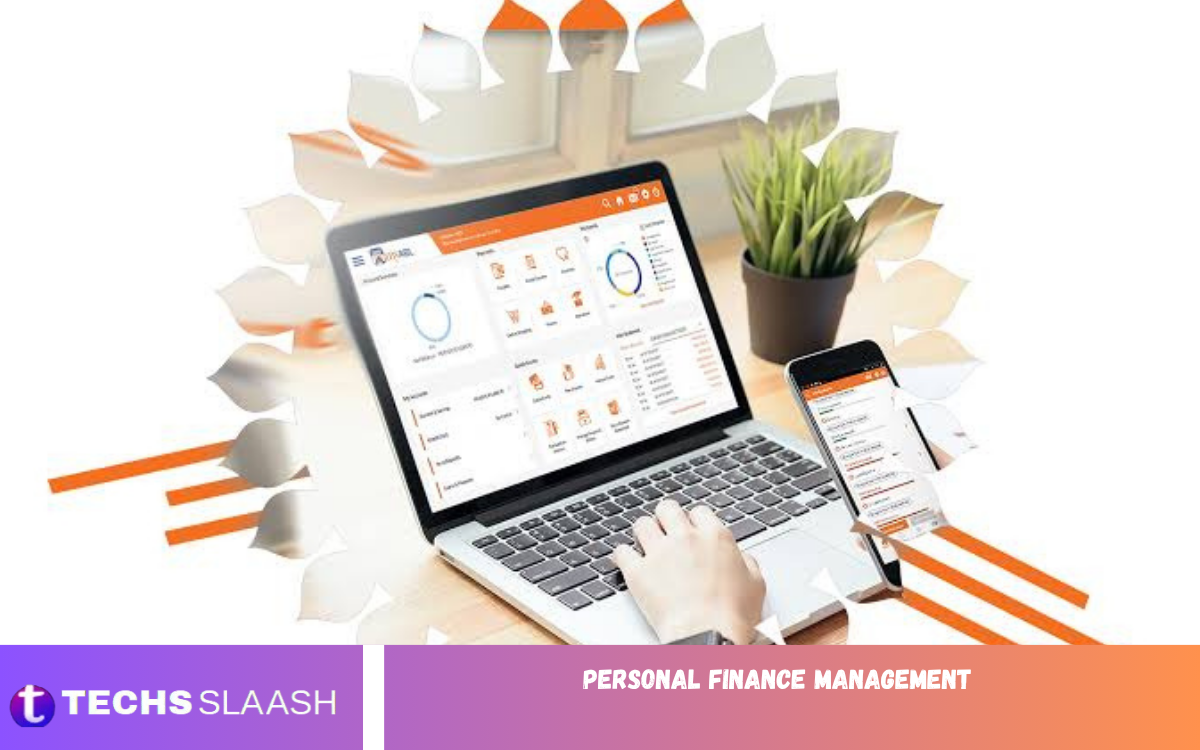
Personal Finance Management is the process of planning, organizing, and controlling your money to achieve financial stability. It includes managing income, expenses, savings, debt, investments, and financial goals in a structured way.
Effective Personal Finance Management helps individuals understand where their money goes and make better financial decisions. A clear financial plan can reduce unnecessary spending, improve savings habits, and create greater confidence about the future.
Why Personal Finance Management Matters?
Personal Finance Management provides a practical framework for handling everyday financial responsibilities. Without proper planning, even a high income can disappear through unnecessary expenses, poor spending decisions, and uncontrolled debt.
Good money management creates financial awareness and discipline. When you understand your income and expenses, you can prioritize essential needs, prepare for unexpected situations, and work consistently toward important financial goals.
Create a Realistic Monthly Budget
A monthly budget is one of the most important tools in Personal Finance Management. Start by calculating your total monthly income and listing essential expenses such as housing, food, transportation, utilities, education, and other regular commitments.
After identifying essential costs, review flexible expenses such as entertainment, shopping, subscriptions, and dining out. Setting reasonable spending limits lets you enjoy your income while keeping savings and financial responsibilities as priorities.
Track Your Income and Expenses
Tracking your money gives you a clear picture of your financial behavior. Record every major expense and regularly compare your actual spending with your budget to identify areas that may need adjustment.
Consistent expense tracking can reveal spending patterns that are difficult to notice otherwise. Small purchases may seem insignificant individually, but repeated unnecessary expenses can noticeably reduce monthly savings.
Build an Emergency Fund
An emergency fund is an important part of Personal Finance Management because unexpected expenses can occur at any time. Medical costs, repairs, temporary income loss, or urgent family needs can create financial pressure without adequate savings.
Begin with a manageable savings target and gradually increase it over time. Keeping emergency money separate from everyday spending can make it easier to protect your savings and avoid relying on expensive debt during difficult periods.
Develop Strong Saving Habits
Saving money becomes easier when you treat it as a regular financial responsibility rather than something you do only when money remains at the end of the month. Set a specific savings amount and include it in your monthly budget.
Automating regular transfers to a dedicated savings account can help you stay consistent. As your income changes, consider increasing your savings contribution while maintaining a balanced approach to everyday expenses and personal needs.
Manage Debt Responsibly
Debt management is another major element of Personal Finance Management. Make a complete list of outstanding debts, including balances, interest rates, minimum payments, and due dates, so you can understand your overall obligations.
Prioritize repayment based on your financial situation, and avoid taking on unnecessary new debt. Paying bills on time can help prevent additional charges and support a more organized path to financial independence.
Understand Credit and Borrowing
Credit can be useful when managed carefully, but you should always approach borrowing with a clear repayment plan. Before accepting a loan or credit facility, understand the interest rate, fees, repayment period, and total amount you are expected to pay.
Responsible borrowing means using credit for appropriate purposes and avoiding spending beyond your ability to repay. Maintaining good payment habits can also support a healthier financial profile over time.
Set Short-Term and Long-Term Financial Goals
Financial goals give personal finance management clear direction. Short-term goals may include building savings, paying a bill, buying essential items, or reducing debt, while long-term goals can include homeownership, education, retirement, or business development.
Make each goal specific and measurable. Assign a target amount and a realistic timeframe, then review your progress regularly. Breaking larger goals into smaller steps can make them easier to achieve and maintain.
Start Investing for the Future
Investing can help individuals build long-term wealth, but it should be approached with knowledge and careful planning. Before investing, understand your financial goals, risk tolerance, investment timeframe, and available resources.
A strong financial foundation should generally come before taking significant investment risks. Maintaining an emergency fund, managing high-cost debt, and understanding potential losses can help create a more responsible approach to long-term investing.
Read Also: Smart Investing Tips for Better Financial Decisions
Reduce Unnecessary Spending
Reducing unnecessary spending does not mean eliminating every enjoyable activity. Instead, it means identifying purchases that provide little value and redirecting that money toward savings, debt repayment, or meaningful financial goals.
Review recurring subscriptions, frequent online purchases, impulse shopping, and lifestyle expenses regularly. Making thoughtful decisions before spending can gradually improve cash flow without requiring extreme restrictions.
Improve Financial Discipline
Financial discipline develops through consistent habits rather than occasional efforts. Creating a budget, reviewing expenses, saving regularly, and paying obligations on time can gradually turn responsible money management into a normal part of everyday life.
Avoid making major financial decisions based solely on emotions or short-term pressure. Taking time to compare options, calculate costs, and consider long-term consequences can lead to more informed financial choices.
Protect Your Financial Future
Financial protection is an important component of Personal Finance Management. Keep important financial records organized, use secure payment practices, protect account information, and regularly review your financial arrangements.
Depending on your circumstances, appropriate insurance and other financial protections can help reduce the impact of unexpected events. Reviewing these protections periodically ensures they continue to match your changing financial responsibilities.
Review Your Financial Plan Regularly
Personal finances change as income, expenses, responsibilities, and goals evolve. A budget that works today may need adjustments later because of a new job, changing household costs, major purchases, or other financial priorities.
Schedule regular financial reviews to evaluate your progress. Review your savings, debt, spending patterns, and goals, then make practical changes as needed to keep your financial plan relevant.
Common Personal Finance Management Mistakes
One common mistake is not tracking spending. Another is relying heavily on credit for everyday expenses without considering repayment costs. These habits can make it difficult to build savings and maintain financial stability.
Ignoring emergency savings and delaying financial planning can also create challenges. Starting with simple steps is usually more practical than waiting until you have a perfect financial plan or a higher income.
Personal Finance Management for Beginners
Beginners should focus on building a strong foundation rather than trying to manage every financial area at once. Start by understanding income, tracking expenses, creating a basic budget, and establishing a consistent savings routine.
Once these habits become comfortable, focus on debt reduction, emergency savings, financial goals, and long-term planning. Personal Finance Management improves gradually through knowledge, consistency, and regular evaluation.
Frequently Asked Questions
What Is Personal Finance Management?
Personal Finance Management involves organizing and controlling income, expenses, savings, debt, investments, and financial goals. Its purpose is to help individuals use money responsibly and work toward financial stability.
Why Is Personal Finance Management Important?
It helps people understand their financial situation and make informed decisions. Effective management can improve budgeting, increase savings, reduce unnecessary debt, and support long-term financial goals.
How Can I Start Managing My Money?
Begin by calculating your income and listing your regular expenses. Create a realistic budget, track spending, establish a savings habit, and review your financial progress regularly.
How Much Money Should I Save Each Month?
No single amount works for everyone because income, expenses, and responsibilities differ. Choose a realistic amount that fits your budget and increase it gradually as your financial situation improves.
What Is an Emergency Fund?
An emergency fund is money reserved for unexpected expenses or financial difficulties. It can help cover urgent costs without requiring you to rely immediately on credit or other forms of borrowing.
How Can I Reduce Unnecessary Expenses?
Review your spending and identify purchases that provide limited value. Reducing impulse purchases, unused subscriptions, and avoidable lifestyle expenses can free money for savings and important financial goals.
Should I Pay Debt Before Investing?
The appropriate approach depends on the type and cost of the debt, your financial goals, and your overall circumstances. High-cost debt often deserves significant attention before taking substantial investment risks.
How Can I Avoid Overspending?
Create spending limits and track your expenses throughout the month. Planning purchases, distinguishing needs from wants, and avoiding emotional shopping can help maintain better control over your budget.
Is Investing Part of Personal Finance Management?
Yes, investing can be an important part of long-term financial planning. However, individuals should understand investment risks and consider their goals, timeframe, and ability to tolerate potential losses before investing.
How Often Should I Review My Financial Plan?
A monthly review helps you track spending, savings, and bills. A more detailed review every few months can help you evaluate larger goals and adjust as your financial circumstances change.
Conclusion
Personal Finance Management is a continuous process that helps individuals make better decisions with their money. Budgeting, saving, responsible borrowing, debt management, investing, and goal setting all contribute to a stronger financial foundation.
The most effective approach is to start with practical steps and remain consistent. By monitoring your finances, controlling unnecessary spending, building savings, and regularly reviewing your goals, you can create healthier financial habits and work toward greater long-term financial security.

1 Comment
Pingback: Effective Money-Saving Tips for Better Financial Management - Techsslaash.com