

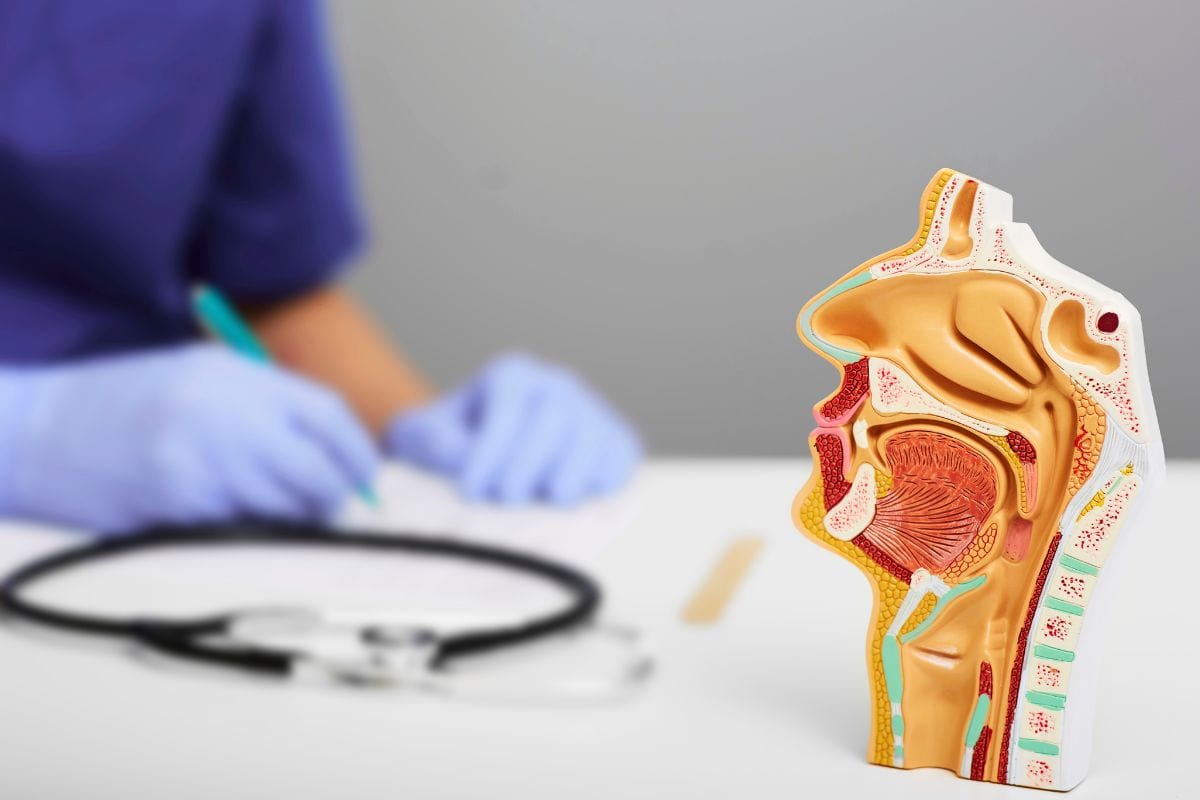
When patients experience persistent sinus problems, one of their biggest concerns is whether they will need surgery. Many people associate chronic sinus symptoms with procedures immediately, but sinus surgery is not always the first or only treatment option.
In many cases, sinus conditions can be managed through medication, allergy control, lifestyle adjustments and other non-surgical approaches. Surgery is usually considered only when symptoms continue despite appropriate treatment or when structural problems prevent normal sinus drainage.
An ENT specialist will assess the underlying cause of sinus problems, the severity of symptoms and the patient’s response to previous treatments before recommending surgery.
What Is Sinusitis?
Sinusitis occurs when the lining of the sinuses becomes inflamed. The sinuses are air-filled spaces located around the nose, cheeks, forehead and eyes.
When the sinus passages become inflamed or blocked, mucus may not drain properly. This can lead to symptoms such as:
- Blocked nose
- Facial pressure
- Thick nasal discharge
- Reduced sense of smell
- Head discomfort
- Postnasal drip
- Cough
- Difficulty breathing through the nose
Sinusitis can be:
Acute Sinusitis
This usually develops suddenly and often improves within a shorter period.
Possible causes include:
- Viral infections
- Bacterial infections in selected cases
- Temporary nasal inflammation
Chronic Sinusitis
Chronic sinusitis refers to sinus inflammation lasting for an extended period, usually 12 weeks or longer.
It may be associated with:
- Allergies
- Nasal polyps
- Structural nasal problems
- Long-term inflammation
Does Everyone With Sinus Problems Need Surgery?
No. Many patients with sinus problems do not require surgery.
The recommended treatment depends on:
- Cause of sinus symptoms
- Duration of symptoms
- Severity of inflammation
- Presence of structural blockage
- Response to medication
- Impact on daily life
For example, a patient whose sinus symptoms are mainly caused by allergies may benefit from allergy management and medication rather than surgery.
On the other hand, a patient with blocked sinus drainage pathways due to nasal polyps or structural issues may require a different approach.
When Is Sinus Surgery Usually Not Needed?
Sinus surgery may not be necessary when symptoms can be controlled through non-surgical treatment.
1. Mild or Occasional Sinus Symptoms
Patients with occasional sinus discomfort may improve with:
- Rest
- Hydration
- Saline nasal rinses
- Short-term medication where appropriate
A specialist assessment may not always be needed unless symptoms become persistent or severe.
2. Allergy-Related Nasal Symptoms
Many people experience nasal symptoms due to allergic rhinitis rather than a surgical problem.
Symptoms may include:
- Sneezing
- Itchy nose
- Runny nose
- Nasal congestion
Treatment may include:
- Allergy medication
- Nasal sprays
- Trigger avoidance
- Allergy testing
- Environmental control measures
Reducing allergic inflammation may improve symptoms without surgery.
3. Symptoms That Respond Well to Medication
Some patients experience improvement with appropriate medical treatment.
Depending on the condition, treatment may include:
- Nasal corticosteroid sprays
- Antihistamines
- Saline irrigation
- Medication for infection when appropriate
If symptoms improve and remain controlled, surgery may not be necessary.
When May Sinus Surgery Be Recommended?
Sinus surgery is generally considered when there is a clear reason that surgery may improve symptoms.
An ENT specialist may discuss surgery when:
1. Chronic Sinusitis Does Not Improve With Medical Treatment
Patients with persistent symptoms despite appropriate treatment may be considered for surgery.
This may include patients who have:
- Long-term nasal blockage
- Persistent facial pressure
- Reduced smell
- Recurrent sinus infections
- Ongoing postnasal drip
The goal of surgery is usually to improve sinus drainage and allow better ventilation.
2. Nasal Polyps Cause Significant Blockage
Nasal polyps are soft tissue growths that can develop inside the nose and sinuses.
They may cause:
- Nasal obstruction
- Reduced smell
- Difficulty breathing
- Recurring sinus symptoms
If polyps continue to cause problems despite medication, surgery may be considered to remove them and improve airflow.
3. Structural Problems Affect Sinus Drainage
Some patients have anatomical factors that contribute to sinus problems.
Examples include:
- Deviated nasal septum
- Narrow sinus openings
- Enlarged nasal structures
In these cases, surgery may help improve airflow and drainage.
4. Recurrent Sinus Infections
Patients who experience frequent sinus infections despite appropriate management may require further assessment.
An ENT specialist may evaluate whether an underlying issue is contributing to repeated infections.
What Is Sinus Surgery?
The most common type of sinus surgery is functional endoscopic sinus surgery (FESS).
FESS is a minimally invasive procedure performed through the nostrils using a small camera and specialised instruments.
The aim is to:
- Open blocked sinus pathways
- Improve mucus drainage
- Remove diseased tissue where necessary
- Preserve normal sinus structures
Unlike older surgical approaches, modern sinus surgery generally focuses on restoring normal sinus function rather than removing large amounts of tissue.
What Happens During Sinus Surgery?
During surgery, an ENT specialist may:
- Insert an endoscope through the nostril
- Examine the sinus openings
- Remove blockages or diseased tissue
- Improve drainage pathways
- Preserve healthy structures
Depending on the condition, surgery may address:
- Nasal polyps
- Blocked sinus passages
- Certain structural problems
- Chronic inflammation-related changes
The exact procedure depends on the patient’s diagnosis.
How Do ENT Specialists Decide If Surgery Is Needed?
An ENT specialist does not recommend sinus surgery based only on symptoms. A complete assessment is usually performed.
This may include:
Medical History Review
The doctor may ask about:
- Duration of symptoms
- Previous treatments
- Frequency of sinus infections
- Allergy history
- Impact on daily activities
Nasal Examination
The doctor may examine:
- Nasal passages
- Signs of inflammation
- Polyps
- Structural abnormalities
Nasal Endoscopy
A small camera may be used to examine areas deeper inside the nose and identify:
- Blockage
- Inflammation
- Polyps
- Drainage problems
CT Scan of the Sinuses
A CT scan may be recommended for selected patients to assess:
- Sinus anatomy
- Extent of inflammation
- Blocked pathways
- Surgical planning
Benefits of Sinus Surgery
For suitable patients, sinus surgery may help improve:
Nasal Breathing
Opening blocked pathways may make breathing through the nose easier.
Sinus Drainage
Improved drainage may reduce mucus buildup and pressure.
Sense of Smell
Some patients may experience improvement in smell, especially if blockage contributed to reduced smell.
Quality of Life
Reducing persistent symptoms may improve:
- Sleep
- Daily comfort
- Productivity
- Exercise ability
However, outcomes vary depending on the underlying condition.
What Sinus Surgery Cannot Do
It is important to have realistic expectations.
Sinus surgery:
- Does not cure all allergies
- Does not prevent all future sinus infections
- May not completely eliminate symptoms in every patient
- May require ongoing medication after surgery
For example, patients with allergic rhinitis may still need allergy management even after sinus surgery.
Recovery After Sinus Surgery
Recovery varies depending on the procedure and individual healing.
Patients may experience:
- Nasal congestion
- Mild bleeding
- Facial pressure
- Tiredness
- Temporary reduced smell
After surgery, patients may need:
- Saline nasal rinses
- Medication
- Follow-up appointments
- Nasal cleaning procedures
- Avoidance of strenuous activity during early recovery
Follow-up care is important because healing tissues may require monitoring.
Risks and Considerations of Sinus Surgery
Like any procedure, sinus surgery has potential risks.
Possible risks may include:
- Bleeding
- Infection
- Scar tissue formation
- Persistent symptoms
- Recurrence of nasal polyps
- Need for further treatment
An ENT specialist will discuss the benefits and risks before recommending surgery.
How to Manage Sinus Problems Without Surgery
Patients may reduce symptoms through:
- Managing allergies
- Avoiding known triggers
- Using medication as advised
- Maintaining nasal hygiene
- Staying hydrated
- Avoiding smoke exposure
- Following ENT recommendations
Long-term management is often important, especially for chronic sinus conditions.
Sinus surgery is not always necessary for patients with sinus problems. Many people can manage symptoms through medication, allergy control and lifestyle adjustments.
However, surgery may be considered when chronic sinusitis continues despite appropriate treatment, nasal polyps cause significant blockage or structural problems affect normal sinus drainage.
An ENT specialist, like Dr Lau Chee Chong, can evaluate the underlying cause of sinus symptoms and determine whether surgery or non-surgical treatment is the most suitable option.
Understanding your condition, available treatments and expected outcomes can help you make a more informed decision about sinus care.
This article is for general information only and should not replace medical advice from a qualified healthcare professional.
