

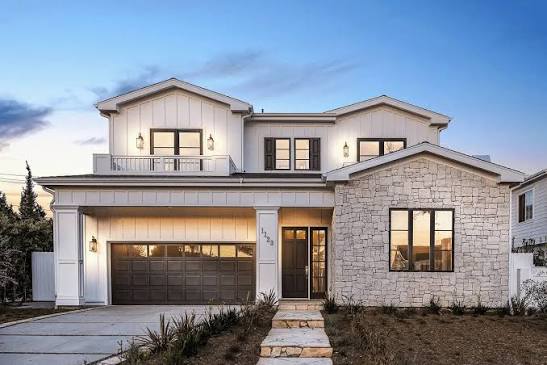
Building a custom home in California is equal parts inspiring and intricate. From sprawling coastal estates to modern inland retreats, turning a design vision into a structural reality requires balancing ambitious architecture with stringent local regulations. Homeowners who navigate this terrain successfully do so by understanding the interplay of regional building codes, detailed pre-construction planning, and precise structural execution.
When embarking on a residential build of this scale, setting clear priorities early ensures that the investment yields both lasting structural integrity and refined aesthetics.
Navigating California Building Codes and Sustainability Standards
Residential developments in California are governed by some of the most dynamic building standards in the United States. The state’s Title 24 Energy Efficiency Standards dictate everything from insulation ratings to mechanical equipment performance. Aligning with these benchmarks isn’t merely about regulatory approval; it lays the groundwork for long-term operational efficiency and indoor comfort.
Recent mandates emphasize all-electric readiness, high-performance thermal envelopes, and integrated solar infrastructure.
Key Regulatory Considerations:
- Title 24 Compliance: Demands precise energy modeling for heating, cooling, lighting, and water retention systems.
- Wildland-Urban Interface (WUI) Standards: For homes built near brush zones, fire-resistant exterior cladding, ember-resistant venting, and tempered glass are strict requirements.
- CALGreen Standards: Enforce sustainable material sourcing, construction waste diversion, and low-VOC interior finishes.
Partnering with seasoned professionals ensures these compliance requirements are woven directly into the initial architectural drafts rather than retrofitted as costly mid-project modifications.
The Value of the Design-Build Methodology
Traditionally, homeowners hired an architect to design a home and later put those drawings out to bid among general contractors. Modern luxury residential construction has increasingly shifted toward the Design-Build approach, where architectural designers, structural engineers, and builders operate under a single cohesive framework.
| Feature | Traditional Design-Bid-Build | Design-Build Model |
| Communication | Fragmented between designer and builder | Unified single point of contact |
| Budget Alignment | Estimates often revealed late in the process | Continuous cost estimation during design |
| Project Timeline | Potential delays during bidding cycles | Accelerated start due to overlapping phases |
| Accountability | Risk of finger-pointing over plan errors | Shared responsibility across all teams |
By consolidating design and construction expertise early, homeowners reduce design revisions, manage raw material lead times efficiently, and establish realistic financial benchmarks from day one.
Key Phases in Custom Residential Execution
1. Site Evaluation and Pre-Construction Engineering
Before breaking ground, a thorough geographical analysis is necessary. California’s varied topography, ranging from coastal bluffs and hillside slopes to expansive valley clay soils, demands specialized geotechnical analysis. Soil stability testing dictates the type of foundation required, whether engineered concrete slabs, caissons, or retaining walls are needed to anchor the structure securely.
2. Structural Framing and Envelope Integrity
Once structural foundations are poured and cured, framing sets the architectural silhouette. Precision framing is critical for high-end builds featuring open-concept layouts, floor-to-ceiling glass assemblies, or cantilevered sections. Sealing the building envelope with moisture barriers and high-density insulation creates an airtight shield against external temperature swings and environmental moisture.
3. Interior Trades and Material Craftsmanship
With the building envelope secured, mechanical, electrical, and plumbing (MEP) rough-ins take place behind the scenes. This stage sets up smart home automation networks, high-efficiency HVAC distribution, and architectural lighting configurations. Following drywall installation, master craftspeople fit custom cabinetry, stone slab surfaces, engineered hardwood floors, and tailored millwork.
Selecting the Right General Contractor
The quality of a custom residence depends heavily on the general contractor leading the job site. Beyond reviewing portfolios of completed homes, prospective clients should evaluate a builder’s operational management and trade network.
To identify the Superior Home Builders CA for your project, focus on these critical indicators during early consultations:
- Licensing and Active Credentials: Verify that the general contractor holds a current, active Class A or B License with the California Contractors State License Board (CSLB), along with comprehensive liability and workers’ compensation coverage.
- Transparent Budgeting and Line-Item Clarity: Quality builders provide itemized estimates rather than vague lump sums, allowing clients to see exact allowances for structural framing, finishes, and subcontracted trades.
- Proactive Permitting Expertise: Navigating local municipal planning departments requires local knowledge. Experience dealing with city plan-checkers speeds up approval cycles significantly.
- Dedicated Project Management: Inquire about on-site supervision. A dedicated project manager ensures daily quality control, coordinates subcontractor schedules, and maintains site safety protocol.
Long-Term Maintenance and Structural Longevity
Investing in a high-caliber residential build yields dividends long after move-in day. Selecting durable exterior materials, such as standing-seam metal roofing, stucco, or composite cladding, reduces ongoing maintenance demands in coastal or fire-prone zones. Combined with high-efficiency HVAC systems, dual-pane energy-rated glazing, and smart water management systems, a well-built custom home provides lower utility overhead and a healthy living environment for decades to come.
Executing a seamless home build requires clarity of vision, technical expertise, and an unwavering commitment to quality craftsmanship. By focusing on careful site evaluation, adherence to energy and structural codes, and transparent collaboration with seasoned builders, homeowners turn complex architectural blueprints into lasting, beautifully crafted realities.
