

Introduction
There is no single training or nutrition strategy that produces the same outcome for every athlete. Building muscle, increasing strength, maintaining an established physique, and reducing body fat are different objectives, and each requires adjustments to training, nutrition, recovery, and supplementation.
A strategy designed for muscle growth may prioritize sufficient calories, progressive resistance training, and adequate protein. A fat-loss phase, by contrast, generally requires a controlled energy deficit while maintaining resistance training and sufficient nutrition to preserve lean mass. Strength development can involve another set of priorities, including technical efficiency, heavier loading, and careful fatigue management.
Understanding these distinctions helps athletes avoid changing multiple variables without a clear reason. A goal-specific approach provides a more practical framework for making decisions about bodybuilding, fitness, performance products, and long-term progress.
Muscle Building Requires More Than Simply Lifting Heavy
Muscle development depends on progressive resistance training rather than simply choosing the heaviest possible weight. Progressive overload can involve gradually increasing resistance, repetitions, training volume, or other measurable demands while maintaining appropriate exercise technique.
Training volume is another important consideration. A well-structured muscle-building programme typically includes enough productive work to stimulate adaptation while allowing sufficient recovery between sessions. Exercise selection should also cover relevant movement patterns and muscle groups rather than relying on a small number of exercises.
Consistency matters because muscle development takes time. Frequent programme changes can make it difficult to determine whether a particular approach is actually working. A consistent programme allows training performance, measurements, body weight, and other indicators to be monitored over a meaningful period.
Nutrition provides another foundation. Adequate protein supports the body’s normal processes for maintaining and building muscle tissue, while total energy intake influences whether body weight is likely to increase, decrease, or remain stable. For individuals specifically pursuing muscle gain, a structured nutritional approach can be more useful than simply increasing food intake without considering overall diet quality.
Expectations also need to remain realistic. Muscle development is influenced by training history, genetics, nutrition, recovery, age, and other individual factors. Rapid changes promoted through aggressive marketing should therefore be viewed cautiously. Sustainable progress generally depends on consistent training and appropriate nutrition rather than a single product or shortcut.
Strength Development Has Different Priorities
Strength and muscle size are related, but they are not identical outcomes. A person can become stronger without experiencing the same proportional increase in muscle size, particularly because strength is also influenced by technique, coordination, nervous-system adaptation, and familiarity with specific movements.
Strength-focused programmes often place greater emphasis on heavier loads, lower or moderate repetition ranges, technical consistency, and sufficient rest between demanding sets. Compound movements may receive greater attention because they allow an athlete to develop force production across multiple joints and muscle groups.
Technique becomes particularly important as loading increases. Efficient movement patterns can help an athlete perform a lift consistently while reducing unnecessary technical breakdown under fatigue. Strength programmes therefore require more than simply adding weight to the bar each session.
Fatigue management is another major consideration. Constantly training at maximum intensity can make recovery more difficult and may reduce the quality of subsequent sessions. Planned variations in intensity and volume can allow continued progression without turning every workout into a maximal effort.
The distinction between strength and hypertrophy also affects nutrition and recovery decisions. Although both goals benefit from adequate protein, sufficient sleep, and structured training, the exact programme design can differ considerably. Matching the training stimulus to the desired outcome is therefore more useful than assuming that every performance goal requires the same routine.
Fat-Loss Phases Require a Different Energy Strategy
Reducing body fat generally requires an energy deficit, meaning that average energy expenditure exceeds energy intake over time. The challenge is creating that deficit without making nutrition so restrictive that training quality, recovery, and adherence become difficult to maintain.
A sustainable calorie reduction is usually more practical than extreme dieting. Excessively aggressive restriction can make hunger, fatigue, and poor training performance more difficult to manage. A well-planned fat-loss phase instead considers calorie intake alongside protein, food quality, resistance training, daily movement, and recovery.
Protein can be particularly relevant during a cutting phase because maintaining adequate protein intake alongside resistance training supports the preservation of lean tissue while body weight is reduced. Strength training should generally remain part of the programme rather than being replaced entirely by cardio.
Cardiovascular exercise can increase energy expenditure and support cardiovascular fitness, while everyday movement also contributes to total activity. Walking, active transportation, household movement, and other forms of non-exercise activity can become meaningful components of a fat-loss strategy.
The Canadian performance-product market adds another consideration for consumers researching supplements and other products. Omega Full Potential describes itself as a destination to buy PEDs and supplements online in Canada, including steroids, supplements, and performance-oriented products. Such a marketplace can span several distinct categories, which makes it particularly important for consumers to understand the intended purpose of a product before considering it.
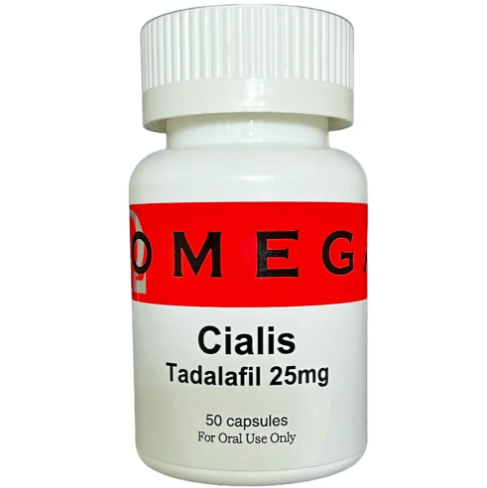
For example, searches for Best Superman Pills Canada belong to the separate sexual-wellness category rather than the muscle-building or fat-loss category. That distinction matters because a product associated with men’s sexual wellness has a fundamentally different purpose from a nutrition strategy, bodybuilding supplement, or body-composition approach.
The central principle remains the same: the intended goal should determine the strategy. Fat loss is primarily a body-composition objective, and it should be approached through appropriate energy management, training, nutrition, activity, and recovery rather than assuming that every performance product is relevant to the goal.
Performance Products Should Be Evaluated According to the Goal
Performance products cover a broad range of categories, including conventional supplements, sports nutrition products, peptides, and performance-enhancing compounds. These categories should not be treated as interchangeable simply because they appear within the same online marketplace.
The most useful starting point is the intended outcome. A product marketed around weight management may have a different purpose from a product associated with training recovery, while a sexual-wellness product addresses a completely separate objective. Understanding that distinction can prevent consumers from purchasing products based on broad marketing language rather than actual relevance.
Several factors can help when evaluating products:
- Intended purpose: A product should be assessed according to the outcome it is designed or marketed to support. A muscle-building goal, fat-loss goal, strength goal, and sexual-wellness goal require different considerations, so the product category should match the objective.
- Ingredient transparency: Clear information about ingredients and quantities makes it easier to understand what a product contains. Vague descriptions or incomplete ingredient information make meaningful comparison more difficult.
- Evidence: Marketing claims should be separated from evidence. Terms such as “advanced,” “powerful,” or “maximum” describe positioning rather than independently demonstrating effectiveness.
- Product category: Supplements, peptides, prescription medicines, and performance-enhancing compounds have different characteristics and considerations. Treating them as equivalent can lead to unrealistic expectations.
- Individual circumstances: A product that appears relevant to a particular goal may not be appropriate for every person. Existing medications, health circumstances, and individual factors can influence how a product should be evaluated.
How to Build a Goal-Specific Product and Training Framework
A practical framework begins with the desired outcome rather than with a particular product. Once the objective has been clearly defined, training can be structured around it, followed by nutrition, recovery, and any optional supplementation that genuinely fits the plan.
For muscle building, this may mean prioritizing progressive resistance training, adequate protein, sufficient energy intake, and recovery. For strength, technical practice, progressive loading, rest periods, and fatigue management may become more prominent. For fat loss, energy balance, protein intake, resistance training, cardiovascular activity, and adherence become central considerations.
Products should remain secondary to the fundamentals. Adding several overlapping supplements does not necessarily create a better strategy. In some cases, unnecessary products can make a routine more expensive and difficult to monitor.
Budget also matters. A sustainable programme should be realistic enough to maintain over months rather than relying on an expensive collection of products. Training facilities, food choices, recovery opportunities, and supplementation should all be considered within the individual’s practical circumstances.
Progress should be measured using appropriate indicators. Body weight, waist measurements, strength performance, training volume, photographs, and other relevant metrics can provide useful information depending on the goal. If the desired outcome is not occurring over a reasonable period, the strategy can then be adjusted based on actual data rather than assumptions.
This approach also helps prevent unnecessary product overlap. Each element of a programme should have a clear purpose, and products should not be added simply because they are popular within bodybuilding or fitness communities.
Adjusting the Plan as Your Body and Goals Change
A training strategy should not remain permanently fixed. As an athlete gains experience, changes body composition, reaches a plateau, or moves toward a different objective, the programme may need to evolve. However, meaningful adjustment does not require constantly replacing the entire routine.
Several principles can help maintain long-term progress:
- Recognize genuine plateaus: A plateau should be identified through consistent measurements rather than a few unproductive workouts. If strength, body composition, or another relevant metric remains unchanged for an extended period, training or nutrition may need reassessment.
- Account for training experience: A beginner may make progress from relatively simple training because almost any consistent resistance programme can provide a new stimulus. More experienced lifters may require more deliberate programming, exercise selection, volume management, and recovery planning.
- Adjust for changing goals: A person moving from a muscle-gain phase into maintenance or fat loss should not necessarily keep the same calorie target. Nutrition and activity should reflect the new objective.
- Protect recovery: Higher training demands can require greater attention to sleep, rest days, nutrition, and fatigue management. More training is not automatically better if recovery cannot support it.
- Avoid unnecessary programme changes: Constantly switching exercises, diets, or supplements can make progress difficult to evaluate. A strategy should generally be given enough time to produce measurable information before major changes are introduced.
- Think long term: Bodybuilding and fitness progress are ongoing processes. A programme that can be followed consistently is often more useful than an aggressive approach that becomes unsustainable after a short period.
Conclusion
Muscle building, strength development, and fat loss are distinct performance goals that require different strategic priorities. Muscle growth depends on progressive resistance training, adequate nutrition, protein, and recovery, while strength development places additional emphasis on technique, loading, and fatigue management. Fat loss requires an appropriate energy deficit while protecting training quality and lean mass.
Performance products should also be evaluated according to their intended purpose rather than being treated as universal solutions. Supplements, peptides, performance-enhancing compounds, and sexual-wellness products belong to different categories and should be considered within their appropriate contexts.
The most effective framework begins with a clearly defined goal, followed by appropriate training, nutrition, recovery, and carefully considered product choices. As circumstances and objectives change, the strategy can be adjusted using measurable progress rather than marketing trends. This goal-specific approach creates a more logical foundation for sustainable bodybuilding, fitness, and performance development.
