

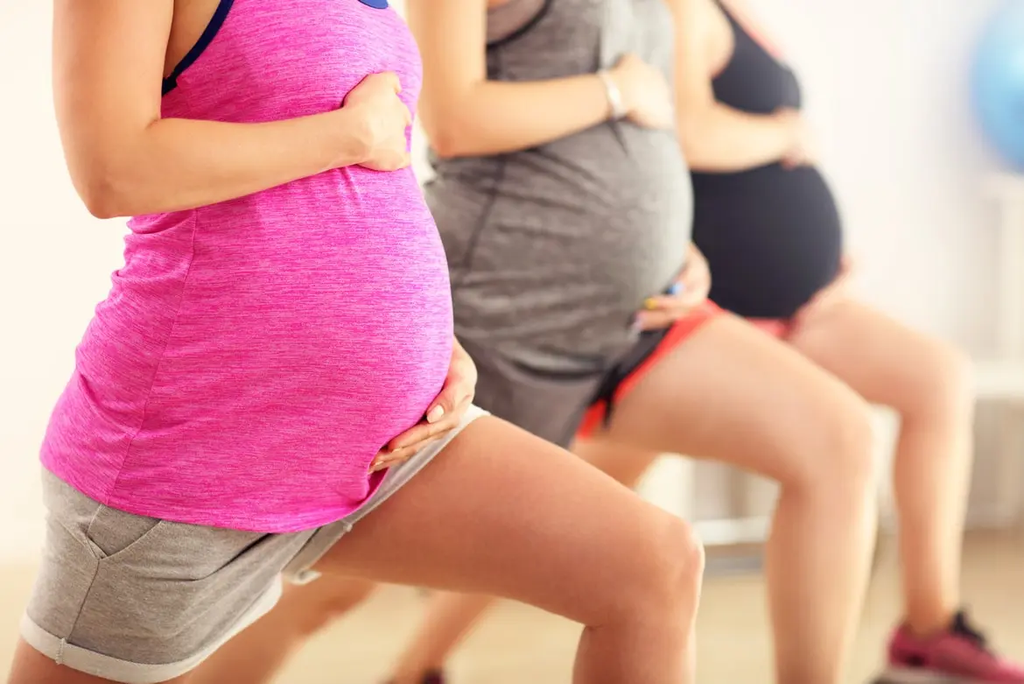
Pregnancy and childbirth affect more than the uterus and abdominal muscles. The pelvic floor also carries additional load throughout pregnancy and plays an important role during labour and recovery afterwards.
Some women notice temporary changes such as leaking urine when coughing or sneezing. Others experience pelvic heaviness, difficulty controlling their bladder or bowel, discomfort during sex or a sensation of pressure in the vagina.
These symptoms can improve as the body recovers, but persistent changes should not automatically be accepted as an unavoidable consequence of having a baby.
Understanding what the pelvic floor does, how pregnancy and delivery can affect it, and which symptoms deserve attention can help women recognise when further assessment may be appropriate.
What Does the Pelvic Floor Actually Do?
The pelvic floor is a group of muscles and supporting tissues at the base of the pelvis.
These structures help support organs including the:
- Bladder
- Uterus
- Vagina
- Rectum
Pelvic floor muscles also contribute to bladder and bowel control and play a role in sexual function.
Like other muscles, they need to contract and relax appropriately.
Changes in their strength, coordination or supporting tissues can therefore affect more than urinary leakage. Pelvic floor dysfunction may also contribute to bowel symptoms, pelvic pressure, discomfort during sexual intercourse or difficulty emptying the bladder.
Why Does Pregnancy Affect the Pelvic Floor?
During pregnancy, the increasing weight of the uterus and baby places additional pressure on the muscles and connective tissues supporting the pelvic organs.
Hormonal changes during pregnancy also affect tissues throughout the body as they prepare for childbirth.
As pregnancy progresses, some women notice symptoms such as:
- Leaking urine when coughing or sneezing
- A more frequent urge to urinate
- Pelvic heaviness
- Constipation
- Difficulty controlling wind
- Changes in pelvic or lower-back comfort
These symptoms do not necessarily mean permanent pelvic floor damage has occurred.
However, pregnancy itself contributes to the physical demands placed on the pelvic floor, which is why pelvic floor care can be relevant even before delivery.
Urinary Leakage Is One of the Most Recognisable Changes
Stress urinary incontinence occurs when urine leaks during activities that temporarily increase pressure inside the abdomen, such as:
- Coughing
- Sneezing
- Laughing
- Running
- Jumping
- Lifting
- Exercising
The muscles supporting the bladder and urethra may be less able to respond to this sudden pressure after pregnancy or childbirth.
Some leakage during the early recovery period may improve over time. However, if symptoms persist or interfere with normal activities, discussing them with a female gynae in Singapore can help determine whether pelvic floor assessment or rehabilitation may be appropriate.
Urinary leakage is common after childbirth, but common does not necessarily mean that it has to be ignored.
Childbirth Can Stretch Pelvic Floor Muscles and Supporting Tissues
During vaginal birth, the pelvic floor stretches considerably as the baby moves through the birth canal.
The degree of strain can vary according to the circumstances of labour and delivery.
Factors that may place additional stress on the pelvic floor include:
- Prolonged labour
- A prolonged pushing stage
- A larger baby
- Assisted vaginal delivery using forceps or vacuum
- Perineal tearing
- Multiple vaginal deliveries
Muscles are only one part of pelvic support. Connective tissues and nerves can also be stretched or affected during childbirth.
This helps explain why pelvic floor symptoms may involve bladder, bowel, vaginal or sexual function rather than only weakness in one muscle group.
Women receiving antenatal care through a pregnancy clinic can also ask about pelvic floor health during pregnancy rather than waiting until symptoms appear after delivery.
Does a Caesarean Section Mean the Pelvic Floor Is Unaffected?
Not necessarily. A Caesarean section avoids the stretching of pelvic tissues that occurs when a baby passes through the vaginal birth canal.
However, pregnancy itself still places pressure on the pelvic floor for many months.
Changes to pelvic support can therefore occur even in women who ultimately deliver by Caesarean section.
The type of birth is only one factor. Pregnancy, age, body weight, previous pregnancies, constipation and other conditions that repeatedly increase abdominal pressure may also influence pelvic floor function.
Women should therefore pay attention to symptoms after either vaginal or Caesarean delivery rather than assuming pelvic floor changes only occur after vaginal birth.
What Does Pelvic Floor Weakness Feel Like?
Pelvic floor changes do not always feel like obvious muscle weakness.
Possible symptoms include:
- Urine leakage during coughing, sneezing or exercise
- Difficulty delaying urination
- Passing urine more frequently
- A feeling that the bladder has not emptied completely
- Difficulty controlling wind
- Accidental bowel leakage
- Vaginal pressure
- A dragging or heavy sensation in the pelvis
- A feeling of a lump or bulge in the vagina
- Discomfort during sexual intercourse
Tracking when symptoms occur can help show whether pelvic support is improving as postnatal recovery progresses or whether the problem is persisting.
Pelvic Heaviness or a Vaginal Bulge May Suggest Prolapse
The pelvic floor and connective tissues support the bladder, uterus, rectum and vagina.
When this support becomes weakened, one or more pelvic organs may descend. This is known as pelvic organ prolapse.
Symptoms can include:
- Pelvic heaviness
- A dragging sensation
- Pressure in the vagina
- Feeling or seeing a vaginal bulge
- Difficulty emptying the bladder
- Frequent urination
- Constipation or difficulty opening the bowels
- Discomfort during sexual intercourse
Symptoms may become more noticeable after standing for a long time or towards the end of the day.
Not every sensation of heaviness after childbirth means that pelvic organ prolapse is present. An examination is required to determine whether prolapse is contributing to the symptoms.
Bowel Function Can Change Too
Pelvic floor recovery also affects bowel function.
Some women focus on bladder leakage but overlook symptoms such as:
- Difficulty controlling wind
- Bowel urgency
- Accidental bowel leakage
- Difficulty passing stools
- A feeling that the bowel has not emptied completely
Constipation is also common during pregnancy and after delivery.
Repeated straining places additional pressure on pelvic support, so managing constipation may be relevant when recovering from childbirth.
Women who experienced significant perineal tears may require particular assessment if bowel-control problems develop or continue.
These symptoms can feel embarrassing to discuss, but they provide important information about pelvic floor function.
Pain During Sex Can Be Part of the Pelvic Floor Picture
Postnatal discomfort during sexual intercourse can have several causes.
These include:
- Healing from an episiotomy or perineal tear
- Scar sensitivity
- Vaginal dryness
- Breastfeeding-related hormonal changes
- Pelvic floor muscle tension
- Pelvic floor weakness
- Fear or anticipation of pain
Pelvic floor dysfunction does not always mean the muscles are simply too weak.
In some women, muscles can become tense or poorly coordinated, which can also contribute to pain.
This distinction matters because repeatedly trying to strengthen already tense muscles may not address the cause of discomfort.
Persistent pain during intercourse should therefore be assessed according to the individual symptoms rather than assuming that more pelvic floor exercises are always the answer.
When Should Pelvic Floor Exercises Begin?
Pelvic floor exercises are commonly recommended during pregnancy and after delivery.
The exercises involve contracting the muscles used to control urine and bowel movements, holding the contraction briefly and then relaxing fully.
The objective is not simply to squeeze as strongly as possible.
Good pelvic floor exercise involves:
- Identifying the appropriate muscles
- Contracting without excessively tightening the abdomen or buttocks
- Continuing to breathe normally
- Allowing the muscles to relax between contractions
- Building strength gradually
- Practising consistently
Pelvic floor exercises can be performed in different positions, including lying down, sitting and standing.
Women who have recently delivered should follow advice appropriate to their recovery, particularly after significant perineal injury, Caesarean delivery or other birth complications.
More Pelvic Floor Exercise Is Not Always Better
A common assumption is that every postnatal pelvic floor problem is caused by muscles that are too weak.
That is not always the case.
Some women may have difficulty relaxing or coordinating their pelvic floor muscles rather than simply generating enough strength.
Symptoms may include:
- Pelvic pain
- Pain during intercourse
- Difficulty passing urine
- Difficulty opening the bowels
- A feeling of incomplete emptying
- Pelvic muscle discomfort
Performing repeated strengthening exercises without understanding how the muscles are functioning may not be appropriate for every symptom.
If you are unsure whether you are contracting the correct muscles or symptoms continue despite regular exercises, a pelvic floor assessment may be useful.
What If Leakage Continues After Childbirth?
Urinary leakage often improves during postnatal recovery, but persistent symptoms deserve attention.
Consider discussing leakage if:
- It continues for several months after delivery
- It is getting worse
- You need pads regularly because of urine loss
- It limits exercise or social activities
- You leak with relatively minor movements
- You also have urinary urgency or difficulty emptying your bladder
- Pelvic floor exercises have not improved the problem
Singapore guidance advises women to seek medical advice if urinary leakage continues despite pelvic floor exercises after the initial months following childbirth.
Evaluation can help establish whether stress incontinence, urgency, prolapse or another urinary issue is contributing to the symptoms.
When Should Pelvic Pressure or Heaviness Be Assessed?
A temporary feeling of pelvic heaviness may occur during early recovery, particularly after a vaginal delivery.
However, arrange an assessment if you:
- Feel a persistent vaginal bulge
- Can see tissue protruding from the vaginal opening
- Experience ongoing pelvic dragging or heaviness
- Have difficulty emptying your bladder
- Need to change position to urinate or pass stools
- Experience persistent bowel-emptying problems
- Develop worsening symptoms with prolonged standing
- Find that pelvic symptoms interfere with daily activities
These symptoms may occur with pelvic organ prolapse, although an examination is needed to determine the cause and degree of pelvic support change.
Can Pelvic Floor Problems Develop Later?
Symptoms do not necessarily appear immediately after childbirth.
Pregnancy and delivery can contribute to changes in muscles and supporting tissues that may become more noticeable later, particularly when combined with other factors.
These may include:
- Repeated pregnancies
- Ageing
- Menopause
- Chronic constipation
- Persistent coughing
- Repeated heavy lifting
- Higher body weight
A woman who had no obvious postnatal symptoms may therefore notice pelvic floor problems years later.
This does not mean that childbirth is necessarily the only cause. Pelvic floor disorders often involve several contributing factors.
Pelvic Floor Health Can Be Discussed During Pregnancy, Not Just Afterwards
Pelvic floor care does not need to begin after delivery.
During pregnancy in Singapore, women may discuss exercise, bladder symptoms, bowel habits and pelvic floor concerns as part of antenatal care.
Pregnancy is also an opportunity to learn how to identify and contract the pelvic floor muscles correctly.
For women considering a Pregnancy Clinic Singapore consultation, useful questions may include:
- Should I begin pelvic floor exercises during pregnancy?
- How can I tell whether I am using the correct muscles?
- Is urine leakage during pregnancy something I should mention?
- How soon after delivery can I restart exercises?
- Do birth injuries change what exercises are appropriate?
- When should persistent postnatal symptoms be assessed?
The appropriate advice may differ depending on pregnancy complications, mode of delivery and postnatal recovery.
What Information Is Helpful During an Assessment?
If you are seeking help for pelvic floor symptoms, note when they occur and what makes them worse.
Useful details include:
- Number and type of previous deliveries
- Whether forceps or vacuum were used
- Significant perineal tears
- Caesarean delivery
- When symptoms first appeared
- How often urine leakage occurs
- Whether you experience urgency
- Bowel-control problems
- Constipation
- Pelvic heaviness or vaginal bulging
- Pain during intercourse
- Exercises already attempted
A female gynae Singapore consultation may begin by reviewing this history before determining whether examination, further testing or referral for pelvic floor rehabilitation is appropriate.
Not every woman with postnatal pelvic floor symptoms requires the same investigations or treatment.
When Should You Seek Earlier Medical Advice?
Some pelvic floor symptoms can be discussed during a routine postnatal appointment, but certain changes deserve earlier attention.
Seek medical advice if you experience:
- Inability to pass urine
- New loss of bowel control
- Severe or worsening pelvic pain
- A significant vaginal bulge
- Persistent difficulty emptying the bladder or bowel
- Symptoms following a severe perineal tear that are not improving
Acute symptoms occurring alongside fever, heavy vaginal bleeding or feeling significantly unwell may indicate a different postnatal problem and should be assessed promptly.
Recovery Is Not the Same for Every Woman
There is no single timetable for pelvic floor recovery after childbirth.
Some women notice that leakage and pelvic pressure improve within the early postnatal period. Others require additional rehabilitation or medical evaluation.
Recovery can depend on:
- Pregnancy-related changes
- Mode of delivery
- Perineal injury
- Previous pregnancies
- Baseline pelvic floor function
- Other medical conditions
- Postnatal activity and rehabilitation
Comparing your recovery with someone else’s may therefore be misleading.
The more useful question is whether your own symptoms are improving and whether they continue to interfere with daily activities.
Pregnancy and childbirth can change the way the pelvic floor supports the bladder, uterus, vagina and bowel.
Urinary leakage is one of the more familiar symptoms, but pelvic floor changes can also contribute to bowel-control problems, pelvic heaviness, vaginal bulging, difficulty emptying the bladder or bowel, and discomfort during intercourse.
Some symptoms improve naturally as the body recovers. Persistent symptoms, however, should not automatically be dismissed as a normal consequence of having a baby.
Pelvic floor exercises can form part of pregnancy and postnatal care, but the correct approach depends on how the muscles and supporting tissues are functioning. If leakage, heaviness, bowel symptoms or pain continue despite recovery and exercise, assessment can help determine whether additional management is appropriate.
