

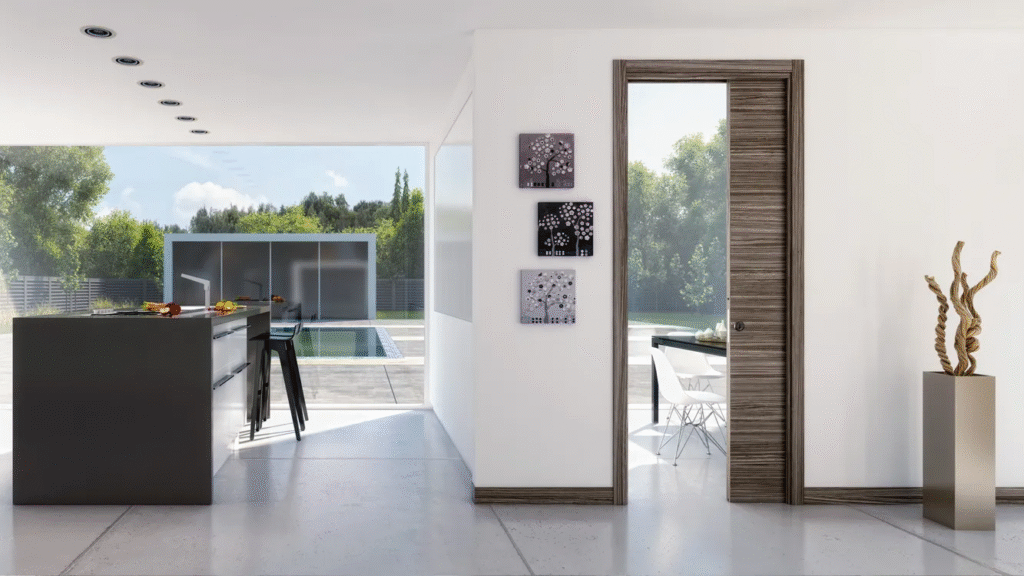
Making the most of available space has become an important consideration in modern home design. Whether renovating a compact apartment, updating a family home, or planning a new property, homeowners are increasingly looking for ways to create practical layouts without compromising style. Sometimes, the biggest improvements come from changing small details that influence how a room looks and functions.
Traditional hinged doors are familiar and reliable, but they need enough clearance to swing open and closed. In narrow hallways, compact bathrooms, and rooms with limited wall space, that movement can restrict furniture placement and make an area feel crowded. Sliding door systems offer an alternative by allowing the door to move sideways rather than swing into the room.
Among these options, pocket doors stand out because the door panel slides into a cavity within the adjoining wall. When open, the door largely disappears from view, creating a cleaner appearance and freeing up valuable floor space. With careful planning, this design can improve circulation, increase flexibility, and complement a wide range of interior styles.
What Makes Pocket Doors Different?
A pocket door works using a track and roller mechanism that allows the door panel to slide into a purpose-built cavity inside the wall. Unlike a conventional sliding door that travels along the outside of a wall, a pocket door is concealed when fully open.
This arrangement creates a more open transition between rooms without requiring space for a swinging door leaf. It can be particularly useful where a door would otherwise interfere with a bed, wardrobe, bathroom fixture, kitchen unit, or hallway route.
Homeowners exploring pocket doors can choose from different configurations depending on the building layout and desired finish. Some systems use traditional visible architraves around the opening, while others are designed for a more minimal appearance with concealed framing or shadow-gap details.
The main advantage is not simply that the door disappears when open. It is that the surrounding space becomes easier to organise and use.
Making Better Use of Limited Floor Space
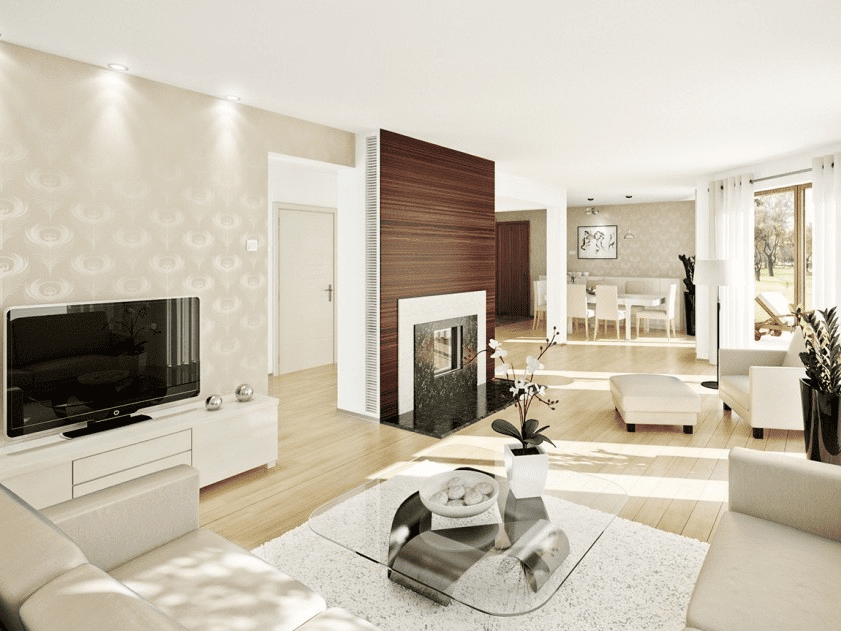
In smaller homes, every section of floor space has a purpose. A hinged door can occupy a surprising amount of room as it swings open, limiting where furniture can be placed and sometimes making movement awkward.
A pocket door removes this swing area from the equation. This can make a difference in several everyday situations.
In a compact bathroom, for example, a conventional door may clash with a towel rail, vanity unit, or toilet. A sliding panel can help reduce these conflicts, provided the wall and doorway are suitable for the installation.
In a small home office, eliminating the door swing may create more flexibility for a desk, shelving, or storage cabinet. In a bedroom, it can make it easier to position wardrobes or other furniture close to the doorway.
Hallways can also benefit. Where several doors open into a narrow passage, their swing paths may overlap or obstruct movement. A pocket door can reduce that congestion and give the area a more streamlined feel.
Of course, a pocket door does not increase the actual dimensions of a room. Instead, it allows the available space to be used more efficiently, which can make the layout feel less restrictive.
Creating a Cleaner, More Contemporary Interior
Interior design often involves balancing practical requirements with visual simplicity. Doors play a significant role because they interrupt wall surfaces and introduce frames, handles, and other visible details.
When open, a pocket door can largely disappear into the wall, leaving the doorway unobstructed. This can help create a sense of continuity between adjoining spaces and reduce visual clutter.
The finish of the door and its surrounding framework also influences the final result. A traditional framed design may suit a classic or transitional interior, while a minimal system can complement contemporary spaces with clean lines and understated details.
Architrave-free designs are particularly appealing to homeowners who prefer uninterrupted wall surfaces around door openings. Shadow-gap details can provide a subtle outline that separates the doorway from the surrounding wall without relying on conventional decorative trim.
The choice should reflect the overall character of the property. A minimalist door system may look effective in a modern renovation, but the most successful design is one that feels consistent with the flooring, wall finishes, hardware, and other architectural details.
Improving the Flow Between Rooms
A well-planned home should support natural movement from one space to another. Door placement, opening direction, and circulation routes all affect how easily people move through the property.
Because pocket doors slide into the wall, they can help create wider-feeling transitions between adjoining areas. When open, they leave the doorway clear of a door panel, which can be useful when moving laundry baskets, storage boxes, or other bulky items between rooms.
They can also support flexible layouts. A door between a bedroom and dressing area, for example, can be closed when privacy is needed and opened when a more connected arrangement is preferable. Similarly, a door between a kitchen and utility room can help separate the spaces without requiring a permanent swing area.
The amount of usable opening depends on the design and installation. Pocket doors do not automatically provide a wider opening than every hinged door, so homeowners should compare the clear opening dimensions when accessibility or moving larger items is a priority.
Choosing the Right Pocket Door System
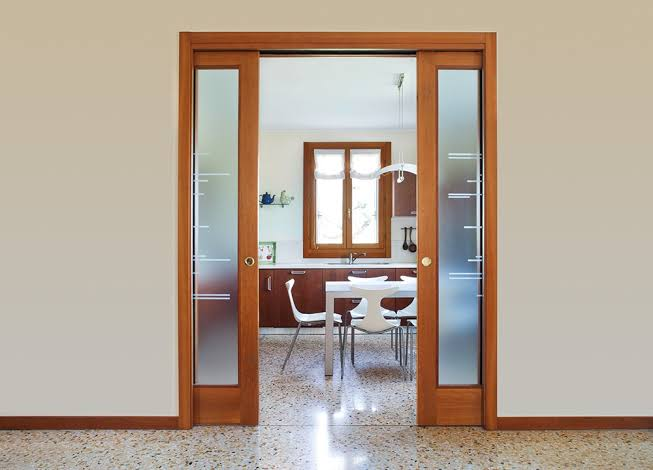
Not every pocket door is identical. The best choice depends on the room, wall construction, expected usage, and desired appearance.
Several factors are worth considering before making a decision.
Wall Construction and Available Space
A pocket door needs a cavity into which the panel can slide. This usually requires a purpose-built frame within the wall, meaning the available wall space and its construction must be checked before installation.
Existing walls may contain electrical cables, plumbing, structural supports, or other services that complicate the work. A professional assessment can help determine whether the proposed location is suitable and whether modifications are needed.
For renovations, it is often easier to plan a pocket door while the wall is being altered or rebuilt. Retrofitting one into a finished wall can still be possible, but the amount of work depends on the building and the system selected.
Door Size and Weight
The door panel must be compatible with the track, rollers, and frame. Heavier or wider doors may require hardware designed to support their weight and maintain smooth movement.
It is important to check the manufacturer’s specifications rather than assuming a standard track will work with every panel. Suitable hardware helps reduce uneven movement, excessive noise, and premature wear.
Privacy and Sound Control
Pocket doors can provide useful separation between rooms, but their acoustic performance varies. Gaps around the panel and the way the door closes can allow more sound to travel through than in some conventional door installations.
For bedrooms, bathrooms, or home offices where privacy matters, check the system’s sealing and sound-control features. The door panel, frame, installation quality, and surrounding wall construction all contribute to the final result.
Fire Safety Requirements
Some doorways need to meet specific fire-safety requirements, particularly in certain building types or protected escape routes. A standard pocket door should not be assumed to provide fire resistance simply because it fits the opening.
Where a fire-rated door is required, the complete door assembly must be suitable for the intended application and installed in accordance with the relevant requirements. This includes the door leaf, frame, hardware, seals, and other specified components.
Installation Details That Make a Difference
Even a high-quality door system can disappoint if it is poorly installed. The track must be level, the frame must remain properly aligned, and the cavity must provide enough clearance for the panel to travel without obstruction.
Small alignment problems can cause the door to rub against the frame or move unevenly. Over time, these issues may affect the rollers and other moving parts.
The wall finish also needs attention. Once the frame is enclosed, access to the mechanism may become more difficult, depending on the system design. Following the manufacturer’s installation instructions helps ensure that any required adjustment or maintenance access is preserved.
Homeowners should also think about the details that are easy to overlook. Door handles must suit the sliding movement, and the closing edge should be designed so the panel can be operated comfortably. Skirting boards, sockets, switches, and nearby furniture should be considered during the planning stage.
Taking time to resolve these details before construction begins can help avoid unnecessary alterations later.
Maintaining Smooth and Reliable Operation
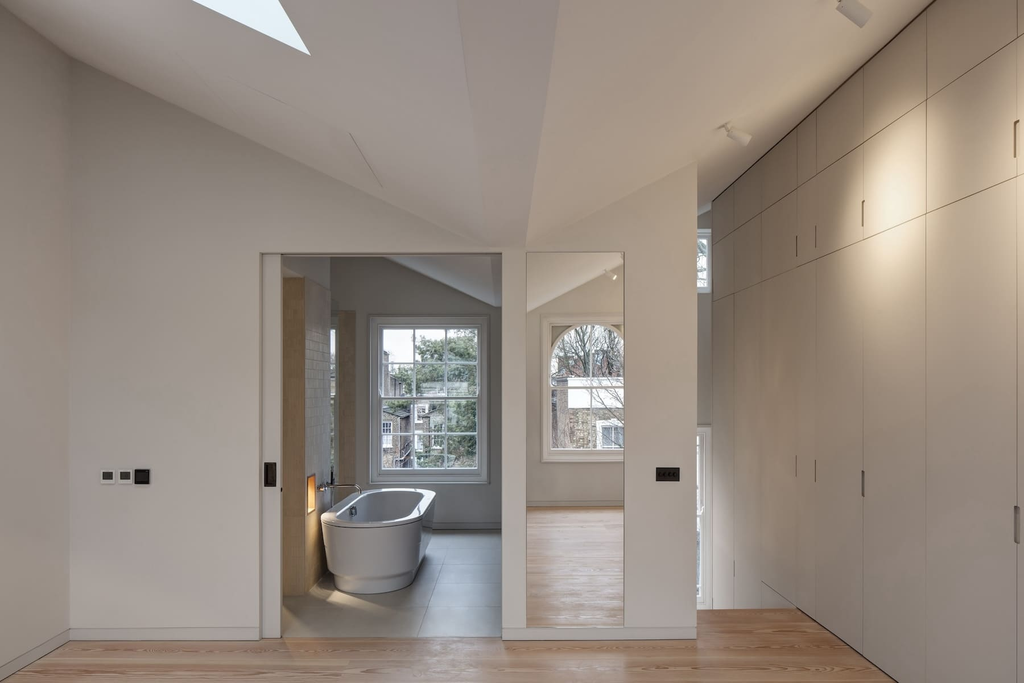
Pocket doors are designed for regular use, but their performance depends on the quality of the components and how well they are maintained.
Periodic checks can help identify problems before they become more disruptive. If the door begins to stick, scrape, or make unusual noises, inspect the visible track area and check whether the panel appears to be running evenly. Dust and debris around accessible components should be removed according to the manufacturer’s guidance.
Avoid forcing a door that has become difficult to move. Excessive pressure may worsen an alignment issue or place unnecessary strain on the hardware. If adjustment is needed, follow the system’s instructions or consult a suitable installer.
Choosing durable components at the outset is also worthwhile, particularly for doorways that are used frequently throughout the day. Smooth rollers, a properly supported track, and a stable frame all contribute to long-term performance.
Conclusion
Pocket doors offer a practical way to improve space efficiency and create a cleaner interior without changing the overall footprint of a home. By sliding into the wall rather than swinging into the room, they can make furniture placement easier, improve circulation, and provide a more streamlined transition between adjoining spaces.
Their success depends on choosing a suitable system and planning the installation carefully. Wall construction, door dimensions, privacy requirements, fire-safety considerations, and hardware quality all deserve attention before work begins.
For homeowners planning a renovation or designing a new property, a pocket door can be a valuable addition where conventional doors feel restrictive. With the right design and installation, this simple change can help a home feel more open, organised, and comfortable to use every day.
