


Managing wastewater and liquid waste is an important responsibility for businesses across agriculture, manufacturing, construction, and food processing. Many industrial processes produce water containing suspended solids, organic matter, or other particles that need to be separated before the liquid can be reused, discharged, or sent for further treatment. Without an effective separation process, these materials can create operational problems, increase maintenance requirements, and complicate waste handling.
One established approach is sedimentation, which uses gravity to separate heavier particles from liquid. When wastewater is held in a suitable tank, suspended solids can gradually settle to the bottom, allowing clearer liquid to remain above them. The settled material can then be collected and managed separately.
A properly selected settling tank can support this process by providing a dedicated space for solids separation and sludge collection. However, successful operation depends on more than simply holding wastewater in a container. Tank design, retention time, flow conditions, and the characteristics of the incoming material all influence performance.
Understanding the Solids Settling Process
Solids settling is based on the principle that particles denser than the surrounding liquid tend to sink under gravity. When wastewater enters a settling tank under suitable conditions, heavier suspended particles gradually move towards the bottom while a portion of the liquid becomes clearer.
The process is commonly used as a preliminary or intermediate stage in wastewater treatment. Removing settleable solids before subsequent treatment can reduce the amount of material carried into downstream equipment and help make later processes more manageable.
The effectiveness of sedimentation varies considerably according to particle size, density, shape, and concentration. Large, dense particles may settle relatively quickly, while fine particles can remain suspended for much longer. Some materials may require chemical treatment or other separation methods if gravity alone does not provide sufficient removal.
Settling tanks are therefore best viewed as one component of a wider treatment system. Their role should be determined by the quality of the incoming liquid and the standards that the treated water must meet.
Why Tank Design Matters
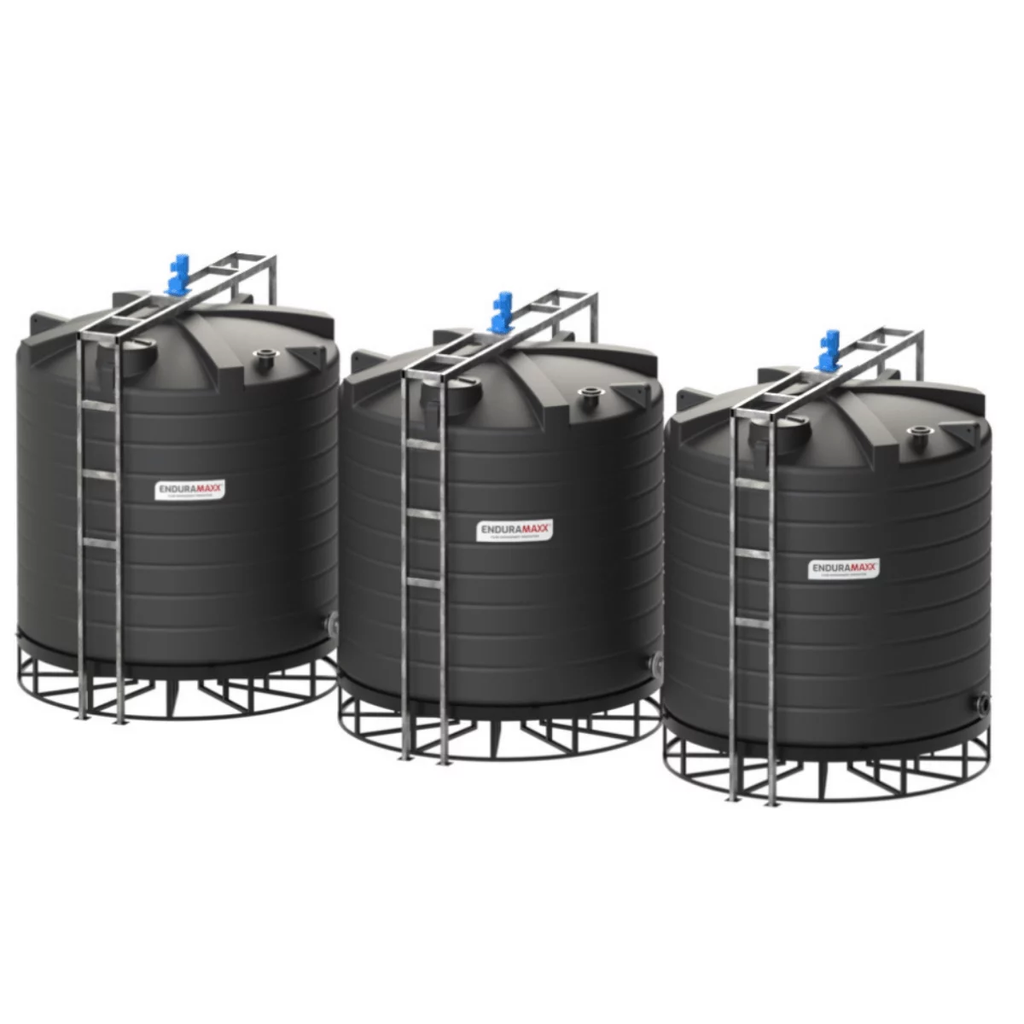
Tank geometry can influence how solids collect and how easily accumulated sludge can be removed. A suitable design needs to accommodate the expected flow rate, allow adequate settling time, and provide a practical method for managing the material that gathers at the bottom.
Dished-base designs can be useful in applications where solids need to be directed towards a collection point. The sloping or shaped base can encourage settled material to move towards a lower outlet, depending on the tank configuration and the characteristics of the sludge.
This arrangement may simplify sludge removal compared with a flat-bottomed tank in certain applications. It can also help reduce the need for manual intervention, although the actual benefit depends on the material being handled and the outlet system installed.
When assessing tank options, operators should consider:
- Working capacity: The tank must accommodate the expected volume while providing suitable operating conditions.
- Settling performance: The design should allow sufficient time and space for the target solids to separate.
- Sludge characteristics: Thick, sticky, abrasive, or fibrous material may behave differently from free-flowing sediment.
- Outlet arrangement: Liquid and sludge outlets should suit the intended process and make routine operation manageable.
- Access for maintenance: Inspection, cleaning, and servicing should be considered from the beginning.
A tank with a large nominal capacity is not automatically the best choice. The most appropriate design is one that matches the process requirements and the physical properties of the waste stream.
Applications Across Different Industries
Solids settling is used in many settings because suspended material is generated by a wide range of activities.
Agriculture and Farm Operations
Agricultural facilities may produce wastewater containing soil, organic residues, manure particles, or other suspended material. Depending on the application, settling can help separate heavier solids before the liquid moves to another treatment stage or an appropriate storage area.
The composition of agricultural wastewater can change considerably with weather, cleaning routines, and seasonal activity. Tank capacity and operating arrangements should account for these variations rather than relying only on average daily volumes.
Food and Beverage Processing
Food production and cleaning operations can generate wastewater containing product residues, organic particles, and other solids. Removing settleable material can help reduce the solids load entering subsequent treatment equipment.
However, food-processing wastewater may contain fats, oils, fine particles, and dissolved substances that do not separate effectively through gravity settling alone. A complete treatment strategy may need additional processes depending on the discharge or reuse requirements.
Manufacturing and Industrial Facilities
Manufacturing processes can create wastewater containing mineral particles, process residues, or suspended solids from equipment cleaning. Settling can provide a practical separation stage when the particles have suitable settling characteristics.
Industrial operators should assess the chemical composition of the waste before selecting tank materials or treatment methods. Certain liquids may require specialist containment, and compatibility with the tank material must be confirmed before use.
Construction and Site Runoff
Water from construction activities may contain significant quantities of suspended soil and sediment. A properly designed settlement process can help reduce the amount of settleable material before the water proceeds to an approved discharge or further treatment stage.
Performance depends on the particle size, flow conditions, and the volume of water entering the system. Sudden increases in runoff can shorten settling time and carry solids through the tank, making suitable capacity and flow management particularly important.
Managing Sludge Efficiently
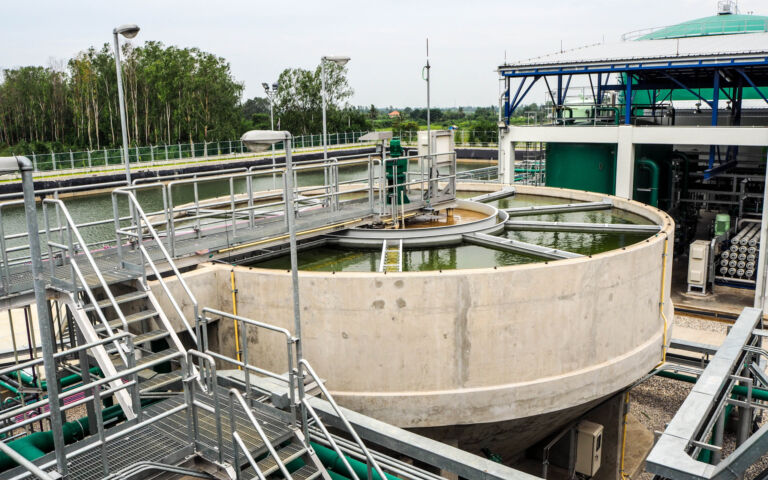
As solids accumulate, they form a layer of sludge at the bottom of the tank. If this material is not removed at suitable intervals, it can reduce the available working volume and interfere with the settling process.
A planned sludge-management routine helps maintain predictable operation. Depending on the system, sludge may be removed through a dedicated outlet, transferred to separate dewatering equipment, or collected for appropriate treatment and disposal.
The right approach depends on the moisture content, consistency, and composition of the settled material. Thin sludge may flow through an outlet relatively easily, whereas thicker or fibrous material may require different equipment or more frequent removal.
Operators should also consider what happens after the sludge leaves the tank. Dewatering can reduce the volume of material requiring transport, but the resulting liquid and solid fractions still need to be managed appropriately. The suitability of any reuse or disposal route depends on the sludge composition and relevant environmental requirements.
Keeping records of sludge removal can help identify changes in the incoming waste stream. If accumulation increases unexpectedly, it may indicate a change in production, an upstream process issue, or a need to review the tank’s operating conditions.
Improving Performance Through Flow Control
Even a well-designed tank can perform poorly if wastewater passes through it too quickly or enters in a way that disturbs settled material. Flow conditions are therefore a critical part of effective solids separation.
If the incoming flow is too turbulent, previously settled particles may become suspended again. Excessive flow can also reduce the time available for particles to settle, allowing more solids to leave with the liquid.
Inlet arrangements, internal flow distribution, and outlet positioning should be appropriate for the tank design. Where flows fluctuate significantly, equalisation or other upstream controls may help create more consistent conditions.
Operators should monitor both the incoming wastewater and the liquid leaving the tank. Changes in clarity, solids concentration, sludge depth, or flow rate can provide useful information about whether the process is operating as intended.
It is important to remember that visually clear water is not necessarily free from contaminants. Where treatment is intended to meet regulatory discharge limits or support reuse, suitable sampling and testing are essential.
Maintenance and Operational Safety
Routine maintenance helps protect equipment, maintain working capacity, and reduce the likelihood of unexpected interruptions. Inspection schedules should reflect the type of wastewater, the amount of solids entering the system, and the manufacturer’s operating guidance.
Useful checks include examining outlets for blockages, looking for signs of leakage or material deterioration, and confirming that valves and other components operate correctly. Sludge levels should also be monitored so that accumulated material does not occupy too much of the available tank volume.
Safety deserves equal attention. Wastewater and sludge can contain harmful microorganisms, chemicals, or gases, depending on their source. Workers should use appropriate protective equipment and follow established handling procedures.
A tank should never be entered casually for inspection or cleaning. Confined-space hazards can include oxygen deficiency, toxic gases, and restricted escape routes. Any entry must follow the applicable confined-space procedures and risk controls.
Maintenance planning should also include safe access for sludge removal and any equipment needed to transfer or dewater the collected material.
Choosing a Tank for Long-Term Use
Selecting a suitable tank begins with understanding the process rather than choosing a capacity in isolation. Operators should estimate normal and peak flow rates, identify the types of solids present, and determine the quality required from the treated liquid.
The expected settling characteristics of the particles are particularly important. Where solids are very fine or remain suspended, a conventional gravity tank may not achieve the desired result without additional treatment.
Material compatibility is another consideration. The tank must be suitable for the liquid being stored or treated, including any chemicals, temperature variations, or environmental conditions associated with the application.
Businesses should also consider the practicalities of installation, sludge removal, inspection, and future capacity requirements. Consulting a qualified process specialist can help establish realistic performance expectations and determine whether supplementary equipment is needed.
Conclusion
Solids settling tanks provide a useful method of separating settleable particles from wastewater across a range of industrial and commercial applications. By allowing gravity to do much of the separation work, they can help reduce suspended solids before further treatment and make sludge collection more manageable.
Reliable performance depends on selecting the right tank geometry and capacity, controlling incoming flows, monitoring sludge accumulation, and maintaining the system correctly. Operators must also consider the characteristics of the waste stream and ensure that treated water and collected sludge are managed according to applicable requirements.
When these factors are addressed together, a well-planned settling process can become a valuable part of a broader wastewater-management strategy, supporting more consistent operations and responsible handling of liquid waste.
