

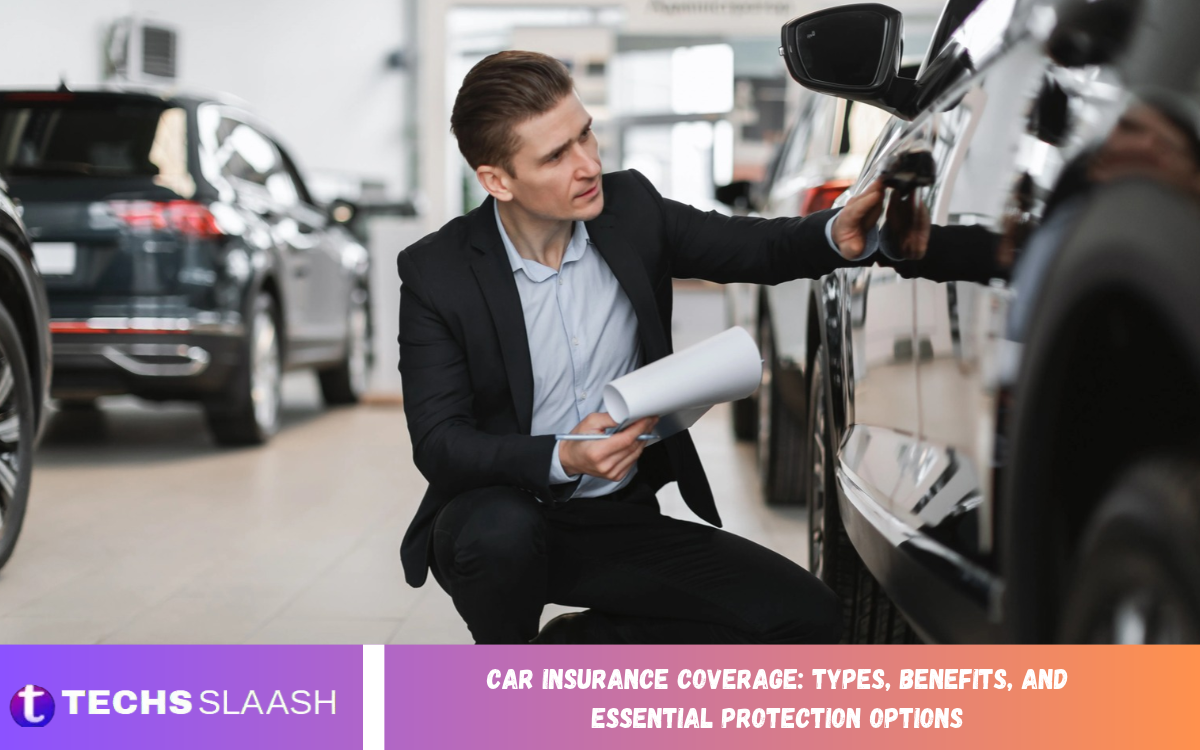
Car insurance coverage is essential to responsible vehicle ownership. It helps protect drivers from financial losses caused by accidents, theft, natural disasters, and other unexpected events. The right policy can cover vehicle repairs, medical expenses, property damage, and legal liabilities, depending on the protection options you select.
Understanding car insurance coverage allows drivers to make informed decisions about their financial security. Different policies offer different levels of protection, so compare coverage types, benefits, deductibles, and exclusions before purchasing a plan. A suitable policy balances affordability with reliable protection for everyday driving.
What Is Car Insurance Coverage?
Car insurance coverage is an agreement between a vehicle owner and an insurance company. In exchange for premium payments, the insurer provides financial protection against specific losses outlined in the policy. Coverage depends on the policy terms, applicable laws, and the circumstances surrounding an accident or claim.
Some policies focus on liability protection, while others also cover damage to the insured vehicle, theft, and injuries. Drivers should review their insurance documents carefully to understand what is included, which limits apply, and what expenses they must pay themselves. Knowing these details helps prevent confusion when filing a claim.
Types of Car Insurance Coverage
Car insurance policies offer several types of protection designed to address different driving risks. Understanding these options helps drivers choose coverage based on their vehicle’s value, driving habits, financial situation, and local insurance requirements.
Not every driver needs the same combination of coverage. A person with a new vehicle may benefit from broader protection, while someone driving an older car may prioritize essential liability coverage. Comparing available options makes it easier to build a policy that meets individual needs.
Liability Car Insurance Coverage
Liability car insurance helps cover costs when a driver is legally responsible for an accident that injures another person or damages someone else’s property. Depending on the policy, it may cover medical expenses, repair costs, legal defense, and settlements up to the applicable limits.
Many jurisdictions require this coverage, although minimum requirements vary by location. Drivers should understand that liability insurance generally does not pay to repair their own vehicle or cover their own injuries. Choosing limits above the legal minimum can provide additional financial protection against expensive claims.
Collision Coverage
Collision coverage helps pay for damage to an insured vehicle resulting from a collision with another vehicle or an object, subject to policy terms. Covered incidents may include hitting another car, striking a barrier, or losing control and colliding with a stationary object.
This coverage can be especially useful for drivers with newer or valuable vehicles. A deductible usually applies, meaning the policyholder pays an agreed amount before the insurer covers eligible expenses. Drivers should compare the deductible with their savings and vehicle value to decide whether collision protection is worth it.
Comprehensive Car Insurance Coverage
Comprehensive coverage generally protects an insured vehicle against certain non-collision losses. Depending on the policy, covered events may include theft, vandalism, falling objects, fire, hail, flooding, and animal-related damage.
Although the name suggests complete protection, comprehensive coverage does not cover every possible loss. Exclusions, deductibles, and claim limits still apply. Drivers should review the policy wording to determine whether local weather risks, theft concerns, and other potential hazards are adequately addressed.
Personal Injury Protection and Medical Payments Coverage
Personal injury protection, commonly called PIP, can help pay eligible medical expenses and certain related costs after a covered vehicle accident. Depending on the jurisdiction and policy, benefits may include rehabilitation, lost income, or essential services needed during recovery.
Medical payments coverage, often called MedPay, generally helps pay eligible medical and funeral expenses after a covered accident, regardless of fault. Coverage varies by policy. Drivers should compare these options with their existing health insurance and local requirements to avoid unnecessary gaps or overlapping benefits.
Uninsured and Underinsured Motorist Coverage
Uninsured motorist coverage can protect you if you are injured or suffer an eligible loss because an at-fault motorist has no applicable insurance. Underinsured motorist coverage may help when the responsible driver’s insurance limits are insufficient to cover eligible damages.
These options can be valuable because not every driver carries adequate insurance. Depending on the policy and local regulations, coverage may address bodily injuries and, in some locations, vehicle damage. Reviewing availability, limits, and exclusions helps drivers decide whether this additional protection is right for them.
Benefits of Car Insurance Coverage
One of the primary benefits of car insurance is financial protection against unexpected expenses. A serious accident can involve vehicle repairs, medical treatment, damaged property, and legal costs. Appropriate coverage can reduce what a driver must pay out of pocket for covered losses.
Car insurance also supports greater confidence on the road. Drivers who understand their protection can respond more effectively after an accident and follow the correct claims process. Depending on the policy, insurance may also provide roadside assistance, rental vehicle reimbursement, and other useful services.
Read Also: Car Insurance Guide: Types, Coverage Options, Benefits, and How to Choose the Right Policy
Essential Optional Car Insurance Protection
Optional coverage can strengthen a standard policy by covering risks basic insurance may not. Common choices include roadside assistance, rental reimbursement, gap insurance, and new car replacement coverage, though availability and eligibility requirements vary by insurer.
Roadside assistance may help with towing, battery problems, flat tires, or lockouts. Rental reimbursement can contribute toward a temporary vehicle while an insured car undergoes eligible repairs. Gap insurance may cover the difference between a vehicle’s covered value and the remaining loan or lease balance after a qualifying total loss, subject to its terms.
How to Choose the Right Car Insurance Policy
Selecting the right car insurance policy begins with assessing your vehicle, budget, driving habits, and financial responsibilities. Consider how often you drive, where you park, the value of your vehicle, and whether you have a loan or lease that requires particular coverage.
Next, compare policies from multiple insurance providers. Look at liability limits, deductibles, exclusions, claim procedures, and optional benefits instead of focusing only on the lowest premium. A slightly more expensive policy may offer better protection and reduce potential out-of-pocket costs after an accident.
Factors That Affect Car Insurance Costs
Car insurance premiums depend on several factors, including the driver’s age, driving history, location, vehicle model, annual mileage, and selected coverage limits. Insurers may also consider repair costs, theft statistics, previous claims, and other risk-related information where permitted by law.
Deductibles and optional benefits can also influence the premium. A higher deductible may reduce the price of certain coverage, but it increases the amount the policyholder must pay for an eligible claim. Drivers should choose a deductible they can comfortably afford rather than accepting a financial burden simply to lower monthly payments.
Ways to Save Money on Car Insurance
Drivers can reduce car insurance costs by comparing quotes, maintaining a clean driving record, and asking insurers about available discounts. Some companies offer savings for bundling eligible policies, insuring multiple vehicles, completing approved driving courses, or installing qualifying safety equipment.
Reviewing coverage regularly can also help control expenses. For example, owners of older vehicles may reconsider collision or comprehensive coverage when the potential payout is relatively small compared with premiums and deductibles. However, removing protection should follow a careful assessment of financial risk, lender requirements, and the ability to replace the vehicle.
Common Car Insurance Mistakes to Avoid
One common mistake is purchasing a policy based only on its premium. A low-cost plan may provide limited protection, higher deductibles, or exclusions that become important after an accident. Comparing coverage details is essential for understanding the actual value of an insurance policy.
Another mistake is providing inaccurate information or failing to update the insurer after significant changes. Incorrect mileage, vehicle usage, address details, or driver information may affect underwriting and claims. Policyholders should also understand payment deadlines, renewal conditions, reporting requirements, and the documents needed to submit a claim.
How to File a Car Insurance Claim
After an accident, prioritize safety and contact emergency services when necessary. Exchange relevant information with other involved parties, document vehicle damage, and collect photographs or witness details when it is safe and lawful to do so. Follow local reporting requirements and avoid making unsupported statements about responsibility.
Notify the insurance company promptly and provide the requested documents. The insurer will assess the circumstances, determine whether the loss is covered, and explain the next steps. Keep records of communications, estimates, receipts, and claim decisions. Payment depends on policy terms, liability findings where relevant, applicable deductibles, and the insurer’s coverage determination.
Frequently Asked Questions
What Does Car Insurance Coverage Include?
Car insurance coverage may include liability protection, collision damage, comprehensive losses, medical expenses, and protection against uninsured drivers. The exact benefits depend on the policy, coverage limits, exclusions, and local insurance regulations.
Is Car Insurance Coverage Mandatory?
Many jurisdictions require drivers to carry at least a minimum level of liability insurance or another approved form of financial responsibility. Requirements differ by location, so drivers should check the rules that apply where their vehicles are registered and operated.
What Is the Difference Between Collision and Comprehensive Coverage?
Collision coverage generally covers damage from a collision with a vehicle or object. Comprehensive coverage generally addresses specified non-collision events, such as theft, vandalism, fire, or certain weather-related damage.
Does Car Insurance Cover Theft?
Comprehensive insurance may cover vehicle theft if the policy includes that protection and the circumstances meet its terms. Liability-only insurance generally does not pay to replace the policyholder’s stolen vehicle.
What Is a Car Insurance Deductible?
A deductible is the amount the policyholder must pay toward an eligible covered claim before the insurer pays the remaining covered amount. The applicable deductible depends on the specific coverage and policy conditions.
How Much Car Insurance Coverage Do I Need?
The appropriate amount depends on local legal requirements, vehicle value, financial resources, driving habits, and potential liability exposure. Drivers should consider limits that protect their finances rather than automatically selecting the minimum available coverage.
Can I Change My Car Insurance Coverage Later?
Most insurers allow policyholders to request coverage changes, subject to policy terms and applicable rules. Changes may affect premiums, deductibles, and protection, so confirm when the new coverage becomes effective before relying on it.
Does Car Insurance Cover Mechanical Problems?
Standard auto insurance generally does not cover ordinary mechanical failures, routine maintenance, or normal wear and tear. Some separate vehicle protection plans may cover certain repairs, but their terms differ from traditional car insurance.
What Is Gap Insurance for Cars?
Gap insurance may cover the eligible difference between a vehicle’s covered value and the outstanding loan or lease balance after a qualifying total loss. Coverage conditions, exclusions, and maximum benefits vary by provider.
How Can I Find Affordable Car Insurance?
Compare quotes from reputable insurers, review available discounts, choose a suitable deductible, and maintain a good driving record. Always compare the coverage limits and exclusions alongside the premium to ensure the policy offers meaningful protection.
Conclusion
Car insurance coverage is an important part of protecting your vehicle, finances, and responsibilities as a driver. Understanding liability, collision, comprehensive, medical, and uninsured motorist coverage makes it easier to identify potential risks and select suitable protection.
The best car insurance policy is not necessarily the cheapest or the one with the most features. It is the policy that fits your circumstances, provides appropriate financial protection, and offers clear terms when you need to make a claim.

1 Comment
Pingback: Home Insurance Guide: Coverage Options, Benefits, and Essential Home Protection - Techsslaash.com