

Choosing the right insurance coverage is an important step toward protecting your finances, family, property, and future. Unexpected events, including medical emergencies, accidents, property damage, and income loss, can create significant financial pressure without the right protection. Insurance helps reduce these risks by providing financial support when covered events occur.
The best insurance coverage options depend on your lifestyle, financial responsibilities, personal goals, and budget. Understanding different insurance policies allows you to make informed decisions and avoid paying for unnecessary protection. Whether you need health, life, auto, home, or travel insurance, choosing the right coverage can help you prepare for unexpected situations with confidence.
Understanding the Importance of Insurance Coverage
Insurance provides financial protection against specific risks in exchange for regular premium payments. Depending on the policy, an insurer may cover eligible medical expenses, repair costs, property losses, or financial benefits for beneficiaries. This protection can reduce the impact of unexpected expenses on your savings and long-term plans.
Having appropriate insurance also supports financial stability during difficult circumstances. Instead of paying every covered expense independently, you can rely on your policy according to its terms and limits. Understanding exclusions, deductibles, waiting periods, and claim requirements is essential because insurance does not cover every possible loss.
Health Insurance: Protecting Your Medical Finances
Health insurance is one of the most important coverage options because medical treatment can become expensive without financial assistance. Depending on the policy, benefits may include hospitalization, consultations, diagnostic tests, surgery, prescription medicines, and preventive services. Coverage varies between insurers and may depend on network hospitals, treatment limits, and eligibility requirements.
When comparing health insurance plans, review annual coverage limits, room restrictions, waiting periods, exclusions, and out-of-pocket expenses. Consider your family’s medical needs and whether your preferred hospitals accept the policy. A suitable plan should balance affordable premiums with meaningful protection against major healthcare costs.
Life Insurance: Supporting Your Family’s Future
Life insurance can provide financial support to designated beneficiaries after the insured person’s death, subject to the policy conditions. This protection can help a family manage household expenses, outstanding loans, education costs, and other financial responsibilities. It is particularly important for people whose dependents rely on their income.
Two common types are term life insurance and permanent life insurance. Term insurance generally provides protection for a specified period, while permanent policies may offer lifelong coverage and a cash-value component, depending on the product. Before purchasing a policy, evaluate your family’s needs, coverage duration, premium affordability, and the insurer’s exclusions and conditions.
Auto Insurance: Coverage for Vehicles and Road Risks
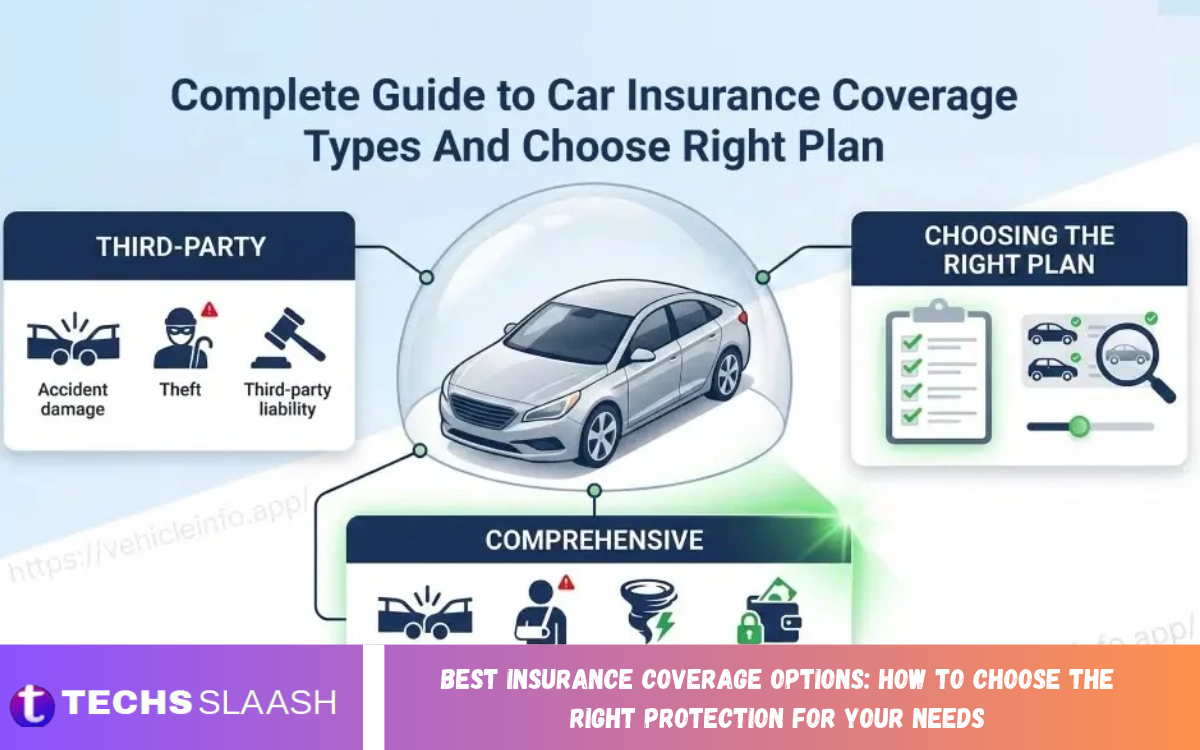
Auto insurance helps protect vehicle owners against specified financial losses associated with accidents, theft, and other covered incidents. Depending on local laws and the policy, coverage may include third-party liability, damage to your own vehicle, personal accident benefits, and protection against particular natural events. Requirements and available options differ across countries and insurers.
When choosing auto insurance, compare liability limits, deductibles, repair arrangements, claim procedures, and exclusions. Third-party coverage may satisfy minimum legal requirements, but it does not necessarily pay for damage to your own vehicle. Comprehensive coverage can provide broader protection, although its exact benefits depend on the contract and any additional coverage purchased.
Home Insurance: Protecting Your Property and Belongings
Home insurance can protect homeowners against specified risks affecting their property and personal belongings. Depending on the policy, covered events may include fire, certain storms, theft, or accidental damage. Some policies also provide personal liability protection when the insured is legally responsible for particular injuries or property damage.
Before purchasing home insurance, determine the approximate cost of rebuilding your property and replacing its contents. Check whether the policy covers temporary accommodation, valuable possessions, and damage caused by water or natural disasters. Flooding, earthquakes, wear and tear, and other risks may require separate coverage or may be excluded entirely, so review the terms carefully.
Travel Insurance: Protection During Your Journey
Travel insurance can help manage unexpected expenses while travelling domestically or internationally. Depending on the selected plan, benefits may include emergency medical treatment, medical evacuation, trip cancellation, travel delays, lost baggage, and certain travel-related disruptions. The availability of these benefits depends on the destination, policy wording, and circumstances of the incident.
Choose travel insurance according to your destination, trip duration, planned activities, and existing medical coverage. International travellers should pay particular attention to emergency medical limits and evacuation benefits. Before purchasing a policy, review cancellation conditions, pre-existing medical condition exclusions, documentation requirements, and restrictions involving high-risk activities.
Read Also: How Insurance Works: Understanding Coverage, Premiums, and Claims
Disability and Income Protection Insurance
Disability insurance can provide financial assistance when an eligible illness or injury prevents someone from working. Depending on the policy, benefits may replace part of the insured person’s income for a defined period. This protection can help cover essential expenses, including rent, loan payments, utilities, and household necessities.
When comparing disability coverage, review the definition of disability, benefit amount, waiting period, payment duration, and exclusions. Some policies cover inability to perform your own occupation, while others apply different eligibility standards. Understanding these distinctions helps you select protection that aligns with your profession, savings, and financial obligations.
Business Insurance: Protecting Professional Activities
Business insurance helps protect companies, freelancers, and self-employed professionals against certain operational risks. Common options include general liability insurance, commercial property insurance, professional indemnity coverage, workers’ compensation where required, and business interruption insurance. The right combination depends on the business structure, industry, employees, equipment, and contractual obligations.
Business owners should identify their most significant financial risks before choosing policies. A consultant may prioritize professional liability coverage, while a shop owner may need protection for inventory, premises, and customer claims. Reviewing policy limits, exclusions, legal requirements, and coverage extensions can help reduce gaps that could threaten business continuity.
How to Choose the Right Insurance Coverage
Selecting suitable insurance begins with identifying the risks that could create the greatest financial difficulties. Consider your dependents, income, savings, health requirements, property, debts, and future plans. This assessment helps establish which policies are essential and how much coverage you may need.
Next, compare policies from several reputable insurers rather than choosing solely by price. Examine coverage limits, deductibles, waiting periods, exclusions, renewal conditions, and claim settlement procedures. Ask questions about unclear provisions and obtain written explanations when necessary. The best policy is one that provides meaningful protection at a cost you can maintain over time.
Comparing Insurance Premiums and Coverage Limits
Insurance premiums represent the amount you pay to maintain your coverage. Prices can depend on factors such as age, location, health history, vehicle characteristics, property value, occupation, and the selected benefits. A lower premium may appear attractive, but it can involve higher deductibles, reduced limits, or more restrictive conditions.
Compare the total potential cost of each policy, including premiums, deductibles, co-payments, and expenses that remain your responsibility. Consider how much you could comfortably pay during an emergency without disrupting essential financial commitments. Choose coverage limits that reflect realistic potential losses rather than selecting the cheapest available option automatically.
Understanding Insurance Exclusions and Policy Terms
Insurance exclusions describe circumstances, losses, or services that a policy does not cover. For example, a health plan may exclude particular treatments, while a property policy may limit protection against flooding or gradual damage. These restrictions can significantly affect whether an insurer pays a claim.
Read the policy wording, including definitions, endorsements, waiting periods, and claim notification requirements. Check whether coverage begins immediately or only after a specified period. If a term is unclear, contact the insurer or a qualified insurance adviser before purchasing the policy. Understanding these details helps prevent unpleasant surprises when you need financial assistance.
Common Insurance Mistakes to Avoid
One common mistake is purchasing insufficient coverage to reduce monthly expenses. Although this approach may lower premiums, it can leave you responsible for substantial costs after an accident, illness, or property loss. Another mistake is overlooking exclusions or assuming every incident will automatically qualify for compensation.
People may also forget to update insurance after major life changes, such as marriage, having children, buying a home, or starting a business. Review your policies regularly and revise coverage when your responsibilities change. Avoid duplicating benefits unnecessarily, missing renewal dates, or providing inaccurate information on applications, as these issues can affect claims and policy validity.
Tips for Getting Better Value From Insurance
You can improve insurance value by comparing several quotations with similar coverage limits and policy conditions. Ask insurers whether discounts, family plans, bundled policies, or annual payment options are available. However, verify that any discount does not require you to sacrifice important benefits or accept unsuitable restrictions.
Maintain accurate records of your policies, premium payments, receipts, and claim documents. Review beneficiaries where applicable and keep your contact information updated. Reassess your coverage at least annually or after significant life changes. These practical habits can help you maintain relevant protection while managing insurance expenses responsibly.
Frequently Asked Questions
What Are the Best Insurance Coverage Options?
The best options depend on your personal circumstances. Health, life, auto, home, travel, and disability insurance address different risks. Choose policies according to your financial responsibilities, assets, location, and budget.
How Much Insurance Coverage Do I Need?
Your coverage should reflect the financial losses you could reasonably face. Consider medical costs, outstanding debts, property replacement expenses, income needs, and dependent responsibilities before selecting coverage limits.
Is Cheap Insurance Worth Buying?
Affordable insurance can be valuable when it provides suitable benefits and reliable protection. However, compare exclusions, deductibles, limits, and claim conditions instead of making a decision based on price alone.
What Is the Difference Between a Premium and a Deductible?
A premium is the amount you pay to maintain an insurance policy. A deductible is the amount you must pay toward certain covered expenses before the insurer pays its share, according to the policy terms.
Can I Have Multiple Insurance Policies?
Yes, you can generally hold multiple insurance policies when permitted by applicable laws and policy conditions. However, benefits cannot always be combined, and some policies restrict duplicate claims or overlapping coverage.
When Should I Review My Insurance Policies?
Review your insurance at least once a year and whenever your circumstances change significantly. Marriage, new dependents, property purchases, career changes, and business expansion can create new coverage needs.
Does Insurance Cover Every Unexpected Event?
No. Insurance covers specified events subject to policy limits, exclusions, deductibles, and other conditions. Read your contract carefully to understand what is covered and what remains your responsibility.
How Can I Compare Insurance Companies?
Compare financial stability, coverage options, policy wording, customer support, complaint records, and claim handling procedures. Obtain quotations from several insurers and ensure you are comparing equivalent benefits and limits.
Is Life Insurance Necessary for Everyone?
Life insurance is especially useful for people whose families depend on their income or who have significant financial obligations. People without dependents may have different priorities, depending on their debts, goals, and circumstances.
What Should I Do Before Filing an Insurance Claim?
Review your policy’s claim requirements, notify the insurer promptly, and gather supporting documents such as receipts, reports, photographs, medical records, or other relevant evidence. Follow the insurer’s instructions and keep copies of the documents you submit.
Conclusion
Choosing the best insurance coverage options requires careful planning, an understanding of personal risks, and a realistic assessment of your financial situation. Health, life, auto, home, travel, disability, and business insurance can each provide valuable protection when selected according to individual needs. No single policy suits everyone, so evaluating your priorities is essential.
Compare premiums, coverage limits, exclusions, deductibles, and claims procedures before deciding.

1 Comment
Pingback: Understanding Essential Insurance Terms: A Complete Guide for Beginners - Techsslaash.com