

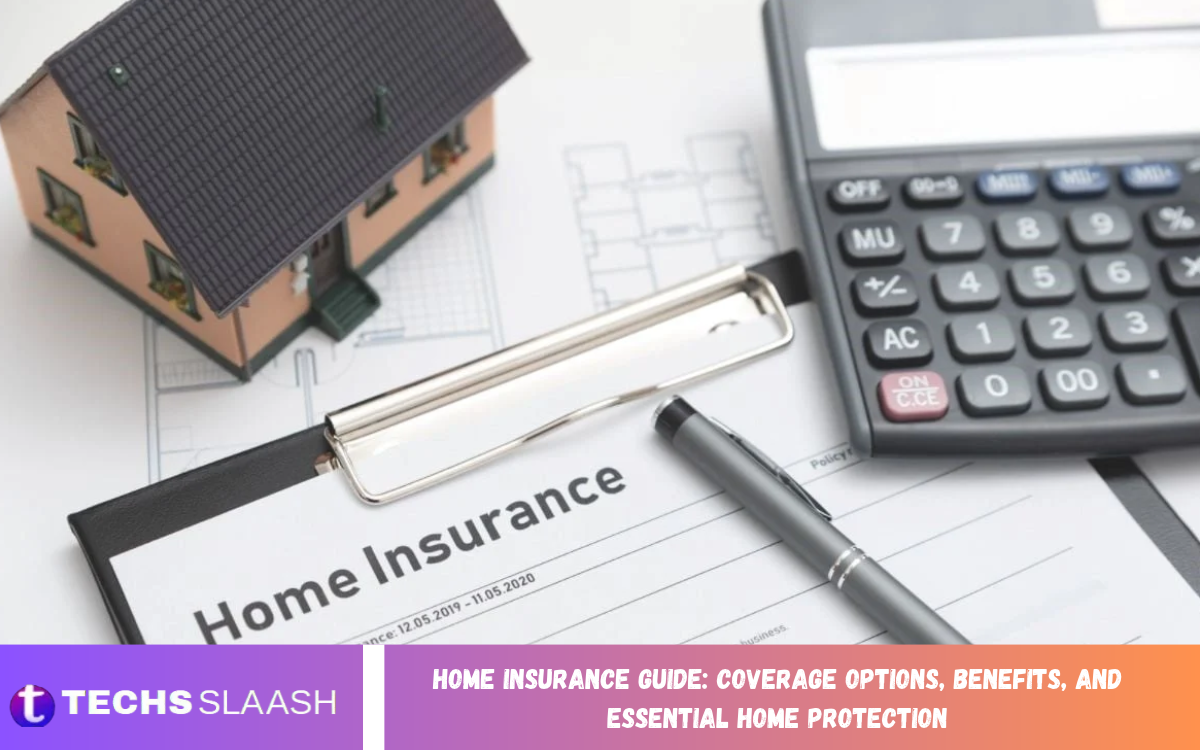
A home is one of the most valuable investments a person can make. It provides safety, comfort, and financial security for families. However, unexpected events such as fires, storms, theft, and certain types of water damage can cause significant losses. Home insurance helps homeowners manage these risks by protecting them financially against covered damage and liability.
A comprehensive Home Insurance Guide: Coverage Options, Benefits, and Essential Home Protection explains how policies work, what they typically cover, and how to choose suitable protection. Understanding insurance terms, coverage limits, exclusions, and deductibles allows homeowners to make informed decisions and protect their property more effectively.
What Is Home Insurance?
Home insurance is a financial protection policy that helps homeowners recover from specific losses involving their property, personal belongings, and certain legal liabilities. Depending on the policy, coverage may include damage to the house, detached structures, furniture, appliances, and other personal possessions. The insurer pays eligible claims according to the policy’s conditions and limits.
Home insurance policies differ by provider, location, property type, and selected coverage. Some policies offer broad protection, while others cover only specified risks. Homeowners should carefully review policy documents before purchasing coverage to understand which events are insured, which situations are excluded, and what responsibilities they must fulfill when making a claim.
Why Is Home Insurance Important?
Home insurance provides financial support when covered damage makes repairs or replacement necessary. Without suitable protection, homeowners may need to pay substantial expenses from their savings. Repairing a damaged roof, replacing destroyed furniture, or rebuilding part of a house can become financially challenging, particularly when several losses occur together.
Insurance can also provide liability protection when someone is injured on the insured property and the homeowner is legally responsible. Certain policies include additional living expenses when a covered incident makes the house temporarily uninhabitable. These benefits can reduce financial pressure and help families recover more confidently after an unexpected event.
Types of Home Insurance Coverage
Home insurance includes several coverage categories that protect different parts of a homeowner’s financial interests. Understanding these options helps individuals select a policy that matches their property, household needs, and potential risks. The exact protection available depends on the insurer and the terms of the contract.
Homeowners should avoid assuming that every policy includes identical benefits. Coverage limits, deductibles, exclusions, and claim settlement methods can vary considerably. Comparing these details is essential before choosing a policy, especially for properties located in areas exposed to severe weather, theft, or other significant hazards.
Dwelling Coverage
Dwelling coverage protects the physical structure of an insured home against covered risks. Depending on the policy, it may include walls, roofs, floors, built-in cabinets, permanently installed fixtures, and attached garages. If a covered event damages these components, the insurer may contribute toward eligible repair or rebuilding costs within the policy limits.
The coverage amount should reflect the estimated cost of rebuilding the house rather than simply its market value or purchase price. Construction materials, labor expenses, architectural features, and local building costs can influence rebuilding estimates. Reviewing dwelling coverage regularly helps homeowners maintain protection as property conditions and reconstruction expenses change.
Personal Belongings Coverage
Personal belongings coverage helps protect items inside the home, including furniture, clothing, electronics, kitchen appliances, and other household possessions. If covered property is stolen or damaged by an insured event, the policy may reimburse eligible losses according to its terms. Some policies also extend limited protection to belongings temporarily kept outside the home.
Homeowners should understand whether their belongings are insured at replacement cost or actual cash value. Replacement-cost coverage generally considers the cost of replacing an eligible item with a comparable new one, subject to policy conditions. Actual cash value generally accounts for depreciation, which can result in a lower payment. Valuable jewelry, collectibles, and expensive electronics may require additional coverage.
Liability Protection
Personal liability coverage can help protect homeowners financially if they are held legally responsible for certain injuries or property damage involving other people. For example, a visitor might suffer an injury after an accident on the property, or a household member might accidentally damage someone else’s belongings. Covered legal expenses and settlements may be paid within the policy’s limits.
Liability protection is particularly important for households that frequently welcome visitors or have features such as swimming pools and outdoor entertainment areas. However, coverage is not unlimited, and exclusions may apply to particular activities or circumstances. Homeowners should evaluate their financial exposure and consider whether higher liability limits or additional liability insurance would be appropriate.
Additional Living Expenses Coverage
Additional living expenses coverage, sometimes called loss-of-use coverage, may help pay certain extra costs when a covered incident makes a home temporarily uninhabitable. Depending on the policy, eligible expenses may include temporary accommodation, additional meal costs, laundry, and other necessary increases in everyday living expenses.
This coverage can provide valuable assistance while repairs are underway after a covered fire or another insured event. However, payments are generally subject to policy limits, time restrictions, and eligibility requirements. Homeowners should check whether their policy covers the full period reasonably needed for repairs and understand what documentation is required to receive reimbursement.
Common Risks Covered by Home Insurance
Many home insurance policies cover certain sudden and accidental events, including fire, lightning, windstorms, hail, theft, and damage caused by specific types of incidents. Some policies also cover smoke damage, vandalism, or the accidental discharge of water from certain household systems. The exact list of covered risks depends on the policy wording and local insurance practices.
Not every disaster or property problem is automatically insured. Flooding, earthquakes, gradual deterioration, neglected maintenance, and certain water-related losses may be excluded or require separate coverage. Homeowners should identify the most relevant local hazards before purchasing insurance. Reading exclusions carefully helps prevent misunderstandings when filing a claim after property damage occurs.
Read Also: Car Insurance Coverage: Types, Benefits, and Essential Protection Options
Home Insurance Exclusions You Should Understand
Insurance exclusions identify circumstances in which a policy does not provide coverage. Common exclusions may include ordinary wear and tear, mold resulting from excluded circumstances, pest infestations, intentional damage, and losses caused by inadequate maintenance. Certain natural disasters, including floods and earthquakes, may also require separate policies or endorsements.
Understanding exclusions is as important as understanding covered benefits. Homeowners should ask insurers about common risks in their area and whether additional protection is available. Reviewing policy documents and discussing unclear language with the insurer can help prevent unexpected expenses and make it easier to select appropriate coverage.
Factors That Affect Home Insurance Costs
Home insurance premiums depend on several factors, including the home’s location, construction type, age, replacement cost, security features, and previous claims history. Properties in areas exposed to hurricanes, wildfires, flooding, or frequent severe storms may face higher premiums because insurers consider their potential losses greater.
The selected coverage limits, deductible, optional endorsements, and liability protection also influence the total cost. Homeowners can compare quotes from multiple insurers to identify suitable options. However, the cheapest policy is not always the best choice. Comparing exclusions, claim settlement conditions, customer service, and financial reliability provides a more complete picture of an insurance policy’s value.
How to Choose the Right Home Insurance Policy
Choosing suitable home insurance starts with evaluating the property’s rebuilding cost, household belongings, financial responsibilities, and local risks. Homeowners should determine how much coverage would be necessary to repair or rebuild the house and replace essential possessions after a major covered loss. They should also consider liability exposure and the possible cost of temporary accommodation.
Next, compare policies from several insurance providers and examine their limits, deductibles, exclusions, and additional benefits. Request clarification whenever policy language is unclear. A reliable policy should offer appropriate protection at a manageable cost without leaving important risks unnecessarily exposed. Reviewing coverage annually helps ensure the policy remains suitable as household circumstances change.
Understanding Deductibles and Coverage Limits
A deductible is the amount a policyholder generally pays toward a covered claim before insurance benefits apply. For example, if an eligible repair costs $5,000 and the applicable deductible is $1,000, the insurer may pay $4,000, assuming the loss is fully covered and no other conditions affect the settlement. Some policies use separate deductibles for particular risks.
Coverage limits establish the maximum amount an insurer will pay for specified losses or categories of protection. A policy might have separate limits for the building, personal belongings, temporary living expenses, and valuable possessions. Selecting suitable limits is essential because expenses above the applicable coverage amount may remain the homeowner’s responsibility.
Ways to Reduce Home Insurance Premiums
Homeowners can sometimes lower insurance costs by improving property security, installing approved smoke detectors, maintaining electrical systems, and reducing avoidable risks. Some insurers offer discounts for security equipment, protective devices, or combining eligible insurance policies. Available discounts vary, so homeowners should ask providers which measures qualify before making additional investments.
Another option is to select a higher deductible, provided the household can comfortably afford it after a loss. Comparing quotes and reviewing unnecessary coverage additions may also help reduce expenses. However, homeowners should avoid reducing essential protection just to lower the premium. The objective is to balance affordability with meaningful financial security.
Steps to Take When Filing a Home Insurance Claim
When property damage occurs, homeowners should prioritize personal safety and contact emergency services when necessary. Take reasonable steps to prevent further damage without putting yourself at risk. Photographs, videos, receipts, repair estimates, and an inventory of damaged belongings can help document the loss and support the insurance claim.
The homeowner should notify the insurer promptly and follow its instructions for submitting the claim. Keeping copies of communications, claim forms, and expenses makes the process easier to manage. Before discarding damaged items or beginning major repairs, homeowners should ask the insurer whether an inspection is required. Claim approval and payment depend on the policy terms, evidence, and circumstances of the loss.
Essential Home Protection Tips for Homeowners
Preventive maintenance can reduce the likelihood of certain property losses and help preserve a home’s condition. Inspecting roofs, cleaning gutters, repairing plumbing leaks, testing smoke alarms, and maintaining electrical equipment are useful protective measures. Homeowners should also secure doors and windows and store important documents in a safe location.
An updated home inventory can make insurance claims easier after theft, fire, or other covered damage. Record valuable belongings, save purchase receipts, and keep photographs of important items in a secure digital location. Reviewing insurance coverage after renovations, major purchases, or changes in household circumstances helps ensure that protection keeps pace with the property’s needs.
Frequently Asked Questions
What Does Home Insurance Usually Cover?
Home insurance commonly covers the house, certain personal belongings, personal liability, and additional living expenses when losses result from covered events. The exact protection depends on the policy, selected limits, exclusions, and any optional endorsements purchased by the homeowner.
Is Home Insurance Mandatory?
Home insurance is not legally mandatory for every homeowner in every location. However, mortgage lenders commonly require borrowers to maintain suitable property insurance. Requirements vary by country, lender, and loan agreement, so homeowners should review their applicable obligations.
Does Home Insurance Cover Flood Damage?
Standard home insurance often excludes damage caused by flooding from external water sources. Separate flood insurance may be necessary, depending on the location and available insurance products. Homeowners should confirm the distinction between flooding and other types of water damage with their insurer.
How Much Home Insurance Do I Need?
The appropriate amount depends on rebuilding costs, the value of household possessions, liability exposure, and potential additional living expenses. Homeowners should estimate reconstruction costs rather than relying exclusively on the property’s market value and review coverage limits regularly.
Can I Get Home Insurance for an Older House?
Yes, many insurers offer coverage for older homes, although eligibility, premiums, and policy conditions may differ. The home’s structural condition, electrical systems, plumbing, roof, and maintenance history can affect what options are available. Some insurers may require repairs before providing particular coverage.
Does Home Insurance Cover Theft?
Many policies cover personal belongings theft, subject to applicable conditions, deductibles, and limits. Certain valuables may have special restrictions or require additional protection. Homeowners should review the policy and keep records of valuable possessions.
What Is the Difference Between Replacement Cost and Actual Cash Value?
Replacement cost generally considers the cost of replacing covered property with comparable new property, subject to policy conditions. Actual cash value generally accounts for depreciation. The settlement method can significantly affect the amount a homeowner receives after a covered loss.
Can Home Insurance Premiums Change Every Year?
Yes, premiums may change because of construction costs, local risk assessments, claims history, insurer pricing, and changes in coverage. Homeowners should review renewal documents carefully and compare suitable alternatives when premiums increase.
Does Home Insurance Cover Home-Based Businesses?
Standard home insurance may cover limited business property, but it often excludes business-related equipment, inventory, and liability. Homeowners running a business should ask whether they need a business endorsement or a separate commercial policy.
How Often Should I Review My Home Insurance Policy?
Reviewing coverage at least once a year is a sensible practice. Homeowners should also reassess their policies after renovations, major purchases, changes in property use, or significant changes in local risks to ensure their protection remains appropriate.
Conclusion
Home insurance is an important part of responsible property ownership because it can help protect homeowners against the financial consequences of covered damage, theft, liability claims, and temporary displacement.
A well-informed approach to home protection involves comparing insurance providers, selecting realistic coverage limits, maintaining the property, and keeping accurate records of valuable possessions.

1 Comment
Pingback: Small Business Insurance Guide: Essential Coverage Options, Benefits, and Protection for Your Business - Techsslaash.com