

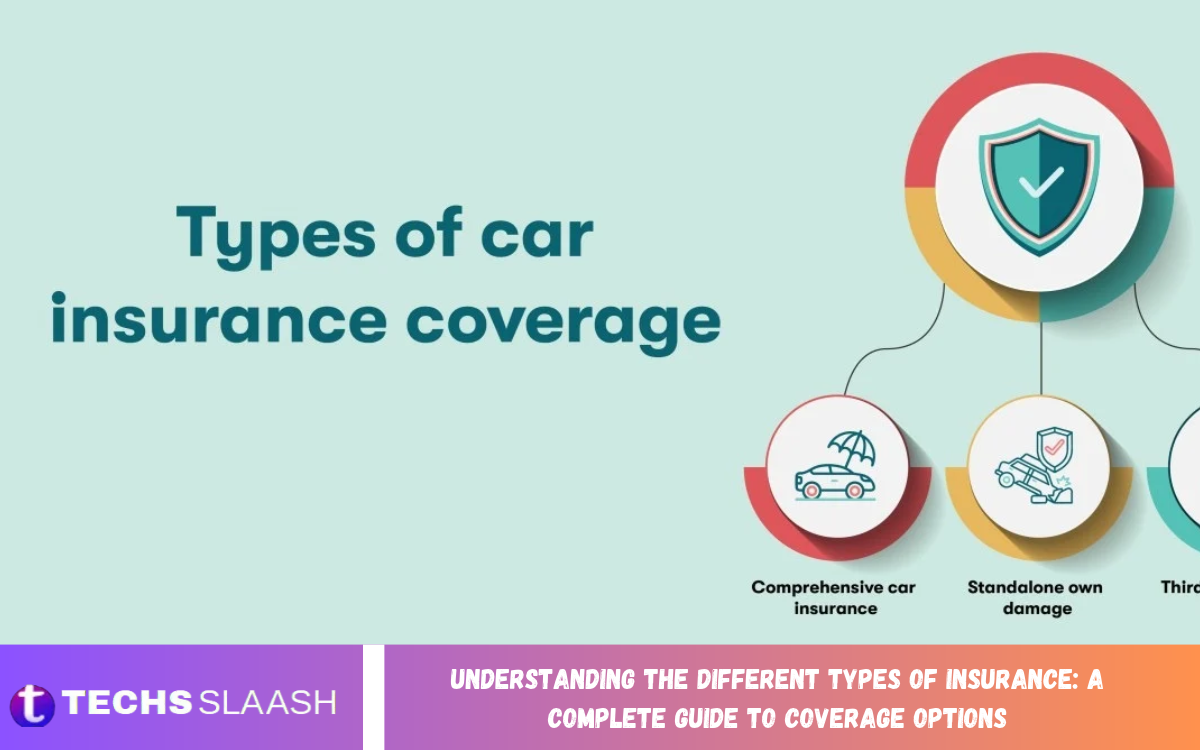
Insurance is essential to financial planning because it helps individuals, families, and businesses prepare for unexpected expenses. Accidents, illnesses, property damage, and other unforeseen events can create serious financial difficulties without proper protection. Understanding the different types of insurance helps people make informed decisions and choose coverage that matches their needs.
Insurance policies provide financial protection in exchange for regular payments called premiums. Depending on the policy, an insurance company may cover medical expenses, replace damaged property, support family members financially, or compensate for specific losses. Choosing the right coverage requires understanding how different policies work, what they protect, and which exclusions or limitations may apply.
What Is Insurance and How Does It Work?
Insurance is a financial agreement between an individual or business and an insurance provider. The policyholder pays premiums under the agreement, while the insurer provides specified financial protection against covered risks. When an insured event occurs, the policyholder can submit a claim to request payment or reimbursement under the policy.
The amount an insurer pays depends on the coverage limits, deductibles, exclusions, and conditions established in the contract. Some policies reimburse actual expenses, while others provide a predetermined benefit after a qualifying event. Reviewing these details before purchasing insurance helps prevent misunderstandings and ensures that the selected coverage offers meaningful protection.
Health Insurance: Protecting Your Medical Expenses
Health insurance helps cover eligible medical expenses, including doctor consultations, hospital stays, diagnostic tests, prescription medications, and certain treatments. Medical costs can increase quickly, particularly when someone requires surgery, emergency care, or long-term treatment. A suitable health insurance policy can reduce the financial burden and make necessary healthcare more manageable.
Health insurance plans differ in their benefits, provider networks, waiting periods, and out-of-pocket expenses. Some policies cover hospitalization only, while others include outpatient services, maternity benefits, preventive care, or specialist consultations. Before selecting a plan, compare annual limits, exclusions, claim procedures, and whether your preferred healthcare providers accept the policy.
Life Insurance: Financial Security for Your Family
Life insurance provides financial benefits to designated beneficiaries when the insured person dies, subject to the policy’s terms. It can help surviving family members manage household expenses, outstanding debts, education costs, and other financial responsibilities. This protection is especially important for people whose families depend on their income.
There are several forms of life insurance, including term life and permanent life insurance. Term life provides coverage for a specified period, whereas permanent policies may offer lifelong protection and a cash value component, depending on the product. The appropriate option depends on financial responsibilities, affordability, long-term goals, and the amount of protection needed.
Auto Insurance: Coverage for Vehicles and Road Accidents
Auto insurance helps protect vehicle owners against financial losses resulting from accidents, theft, and other covered incidents. Depending on the policy, coverage may include damage to another person’s property, bodily injuries, vehicle repairs, or losses caused by uninsured drivers. The exact requirements and available options vary by country and local regulations.
Common auto insurance options include third-party liability, collision coverage, and comprehensive coverage. Liability insurance addresses covered losses suffered by others, collision coverage may pay for damage to the insured vehicle after a qualifying collision, and comprehensive coverage may protect against events such as theft, fire, vandalism, or certain weather-related damage. Drivers should compare deductibles, exclusions, repair conditions, and coverage limits before purchasing a policy.
Homeowners Insurance: Protecting Your Property
Homeowners insurance protects a house and, depending on the policy, its contents against specified risks. Covered events may include fire, certain storms, theft, or accidental damage. Some policies also provide personal liability coverage if the homeowner becomes legally responsible for covered injuries or property damage involving another person.
Home insurance policies do not automatically cover every possible disaster. Flooding, earthquakes, gradual deterioration, and maintenance-related problems may be excluded or require separate protection. When choosing coverage, homeowners should assess rebuilding costs, the value of their belongings, liability limits, and local risks. Keeping an updated inventory of valuable possessions can also simplify the claims process.
Renters Insurance: Coverage for Tenants
Renters insurance is designed for people who rent apartments, houses, or other residential properties. Unlike homeowners insurance, it generally focuses on the tenant’s personal belongings, personal liability, and certain additional living expenses rather than the building itself. This coverage can help tenants recover financially after a covered loss.
A landlord’s insurance policy typically protects the building according to its terms, but it does not automatically cover a tenant’s personal possessions. Renters insurance may help replace furniture, clothing, electronics, and other belongings damaged or stolen in covered circumstances. Before purchasing a policy, renters should estimate the replacement value of their possessions and review coverage limits, deductibles, and exclusions.
Travel Insurance: Protection During Trips
Travel insurance helps travelers manage unexpected expenses on domestic or international trips. Depending on the plan, benefits may include emergency medical treatment, trip cancellation, travel delays, lost baggage, and emergency transportation. These protections can be particularly valuable when traveling abroad, where healthcare and emergency arrangements may be expensive.
Travel insurance policies differ significantly in their coverage and eligibility requirements. Some exclude pre-existing medical conditions, certain high-risk activities, or disruptions arising from specific circumstances. Travelers should review the policy before departure and check whether it covers their destination, planned activities, and total trip expenses. Existing health insurance and credit card benefits may also provide limited travel protection.
Disability Insurance: Protecting Your Income
Disability insurance provides financial benefits when an illness or injury prevents an insured person from working under the policy’s definition of disability. Losing your ability to earn an income can make it hard to pay rent, mortgage payments, utility bills, and everyday living expenses. Disability coverage can help maintain financial stability during an eligible period of incapacity.
Short-term disability insurance generally covers a limited period, while long-term disability insurance may provide benefits for several years or until a specified age, depending on the contract. Important considerations include the waiting period before benefits begin, the percentage of income replaced, benefit duration, and the definition of disability. Workers should also determine whether employer-provided benefits are sufficient for their financial needs.
Business Insurance: Protecting Companies and Operations
Business insurance helps companies manage risks that could otherwise disrupt operations or cause substantial financial losses. Businesses may face property damage, customer injury claims, employee-related risks, cyberattacks, and interruptions caused by unexpected events. The appropriate coverage depends on the company’s industry, size, location, assets, and contractual obligations.
Common business insurance policies include general liability, commercial property, professional liability, workers’ compensation, and business interruption insurance. Professional liability may help cover certain claims involving errors or negligence, while business interruption coverage may compensate for eligible income losses following a covered disruption. Business owners should evaluate their major risks and consult a qualified insurance professional when necessary.
Pet Insurance: Managing Veterinary Costs
Pet insurance helps owners manage eligible veterinary expenses for cats, dogs, and other animals covered by a policy. Veterinary treatment can become expensive when pets require diagnostic tests, emergency surgery, specialist care, or treatment for certain illnesses. Insurance may reduce unexpected costs and help owners plan for their animals’ healthcare needs.
Many pet insurance plans focus on accidents and illnesses, while some offer optional wellness benefits for routine care. Policies may exclude pre-existing conditions, certain hereditary problems, routine procedures, or treatments with waiting periods. Before choosing a plan, owners should compare reimbursement percentages, annual limits, deductibles, exclusions, and premium increases as pets age.
Liability Insurance: Protection Against Legal Claims
Liability insurance helps protect individuals and businesses from specified financial responsibilities arising from claims made by other people. These claims may involve bodily injuries, property damage, or certain legal allegations connected with the insured person’s actions or business activities. Depending on the policy, coverage may include legal defense costs and settlements or judgments covered by the contract.
Different liability policies serve different purposes. Homeowners or renters insurance may include personal liability coverage, while professional liability insurance addresses claims connected to professional services. Businesses may also buy product liability coverage to manage risks tied to products they manufacture or sell. Reviewing policy limits and exclusions is essential because legal claims can exceed available coverage.
How to Choose the Right Insurance Coverage
Choosing the right insurance starts with identifying the risks that could create the greatest financial difficulties. Consider your income, dependents, property, health needs, debts, employment situation, and existing policies. This assessment helps you determine which insurance types are essential and which optional protections may add value.
Next, compare policies from reputable insurers instead of choosing solely on the basis of the lowest premium. Review coverage limits, deductibles, exclusions, waiting periods, claim settlement procedures, and renewal conditions. Read the policy documents carefully and ask questions about unclear terms before making a commitment. The best policy is one that provides appropriate protection at a sustainable cost.
Factors That Affect Insurance Premiums
Insurance premiums depend on several factors, including the type of policy, amount of coverage, deductible, insured person’s circumstances, and likelihood of a claim. For example, vehicle characteristics and driving history may affect auto insurance prices, while age and selected benefits can influence life insurance premiums. Property location and construction features may also affect home insurance costs.
Insurers use different underwriting methods, so premiums and eligibility requirements can vary between companies. Increasing a deductible may reduce the premium but also means paying more out of pocket when a covered claim occurs. Comparing quotations, maintaining accurate information, and reviewing available discounts can help policyholders find affordable coverage without sacrificing important benefits.
Common Insurance Mistakes to Avoid
One common mistake is purchasing a policy without understanding its exclusions and limitations. A policy may appear comprehensive but still exclude certain events or provide insufficient coverage for expensive losses. Policyholders should examine the actual contract, not rely exclusively on advertisements or verbal descriptions.
Another mistake is choosing coverage based only on price or failing to update a policy after major life changes. Marriage, homeownership, parenthood, career changes, and business expansion can create new insurance needs. Review your coverage periodically, keep payment records, disclose relevant information accurately, and notify your insurer when important circumstances change.
Frequently Asked Questions
What Are the Main Types of Insurance?
The main types include health, life, auto, homeowners, renters, travel, disability, business, pet, and liability insurance. Each policy addresses different risks, and the most appropriate combination depends on individual circumstances and financial responsibilities.
Why Is Insurance Important?
Insurance helps reduce the financial impact of unexpected events. It can protect savings, support dependents, cover eligible medical expenses, and help individuals or businesses recover after covered losses.
Which Type of Insurance Should I Buy First?
Priority depends on your circumstances, local requirements, and existing benefits. Many people begin by evaluating health coverage, legally required vehicle insurance, essential property protection, and life insurance when dependents rely on their income.
What Is the Difference Between Term and Permanent Life Insurance?
Term life insurance provides protection for a specified period. Permanent life insurance may provide lifelong coverage and, depending on the policy, accumulate cash value. Costs and benefits vary between products.
Does Homeowners Insurance Cover Every Disaster?
No. Homeowners insurance covers specified risks under its contract. Floods, earthquakes, neglect, and other events may be excluded or require additional coverage.
Is Travel Insurance Necessary for Every Trip?
It isn’t mandatory for every trip, but it can be useful when cancellation costs, medical emergencies, delays, or baggage loss could create significant expenses. Destination requirements and existing benefits should be considered.
How Can I Reduce My Insurance Premiums?
Compare quotes, ask about eligible discounts, review deductibles, keep accurate records, and avoid unnecessary coverage. Ensure that any savings do not leave you without protection against major financial risks.
What Is an Insurance Deductible?
A deductible is the amount a policyholder must pay toward certain covered losses before the insurer pays its share. Deductible structures vary by policy, and some benefits may work differently.
Can I Have Multiple Insurance Policies?
Yes. People commonly hold several policies to protect different aspects of their lives, such as health, vehicles, homes, and income. However, overlapping coverage and claim coordination rules should be reviewed to avoid unnecessary costs.
What Should I Check Before Buying an Insurance Policy?
Review the premium, coverage limits, deductible, exclusions, waiting periods, claim requirements, renewal conditions, and insurer’s reputation. Confirm that the policy addresses the specific risks you want to manage.
Conclusion
Understanding the different types of insurance is an important step toward building a stronger financial future. Health, life, auto, home, travel, disability, business, pet, and liability insurance each serve different purposes, helping individuals and organizations manage particular risks.
Before purchasing insurance, compare reputable providers, read the policy documents, and evaluate premiums alongside coverage limits and exclusions.

1 Comment
Pingback: How Insurance Works: Understanding Coverage, Premiums, and Claims - Techsslaash.com