

Insurance helps protect individuals, families, and businesses from unexpected financial losses. Accidents, illnesses, property damage, and other emergencies can create expenses that are difficult to manage without financial protection. Insurance helps reduce these risks by providing financial support when covered events occur.
Understanding how insurance works helps people choose suitable policies, manage expenses, and avoid unnecessary financial stress. By learning about coverage, premiums, deductibles, and claims, policyholders can make informed decisions and understand their rights and responsibilities when purchasing insurance.
What Is Insurance?
Insurance is a financial arrangement between an individual or business and an insurance company. The policyholder pays a specified amount, called a premium, and the insurer agrees to provide financial protection against specific risks described in the policy. Coverage depends on the policy’s terms, conditions, exclusions, and limits.
The primary purpose of insurance is to share financial risks across a large group of policyholders. Instead of one person carrying the entire cost of a covered loss, the insurance company uses collected premiums to pay eligible claims. This system helps individuals and organizations manage uncertainty and maintain financial stability when unexpected events occur.
How Does Insurance Work?
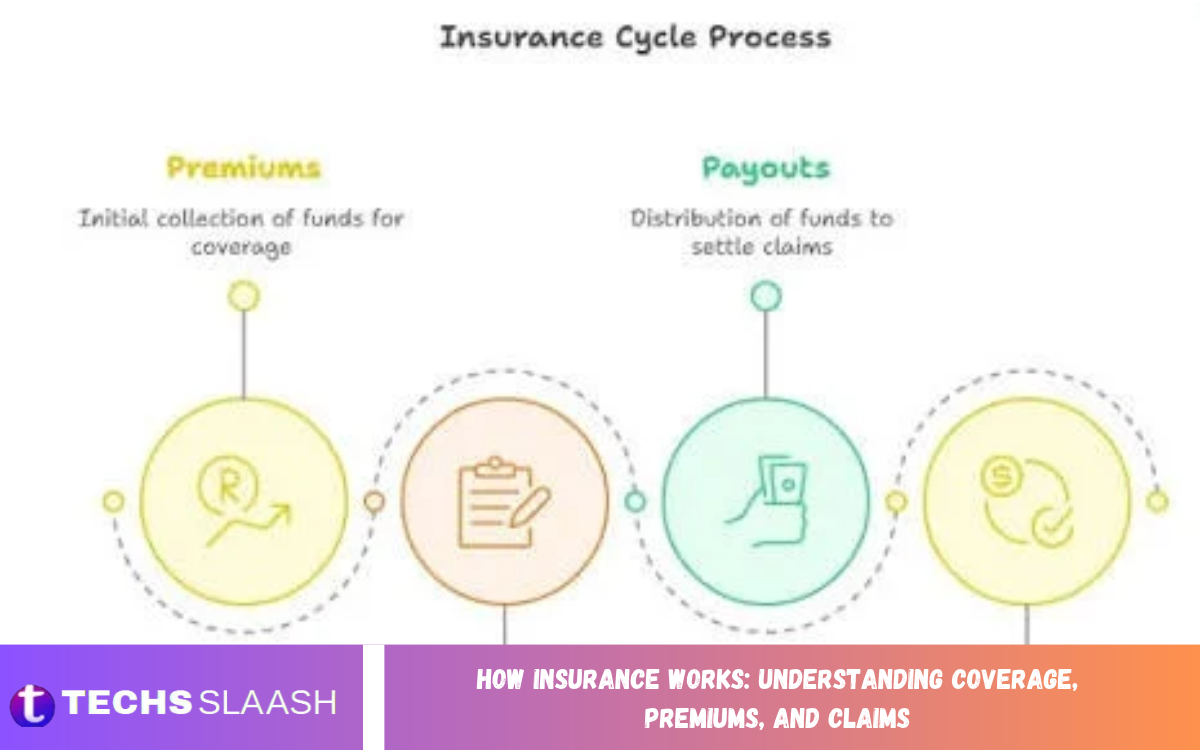
Insurance works through a process involving risk assessment, premium payments, policy coverage, and claims settlement. When someone purchases an insurance policy, the insurer evaluates relevant information to determine the level of risk and the price of coverage. Once the policy becomes effective, the policyholder receives protection against specified events, subject to the agreement.
If a covered incident occurs, the policyholder can submit a claim to request financial compensation or another benefit. The insurer reviews the claim, checks the policy conditions, and determines whether payment is appropriate. If approved, the insurer pays the eligible amount according to the policy terms, including applicable deductibles, limits, and other conditions.
Understanding Insurance Coverage
Insurance coverage describes the risks, events, losses, or expenses an insurance policy protects against. Different policies provide different types of coverage, depending on the product and the needs of the policyholder. For example, health insurance may cover eligible medical expenses, while auto insurance can provide protection against certain vehicle-related losses and liabilities.
Before purchasing insurance, it is essential to understand what the policy includes and what it excludes. Some policies cover a wide range of risks, while others provide protection only for specific situations. Reviewing the coverage details helps policyholders identify potential gaps and select a policy that matches their financial circumstances and protection requirements.
What Are Insurance Premiums?
An insurance premium is the amount a policyholder pays to maintain insurance coverage. Depending on the policy, premiums may be paid monthly, quarterly, annually, or according to another agreed schedule. Paying premiums on time is important because missed payments can result in late fees, a lapse in coverage, or cancellation, depending on the contract and applicable regulations.
Insurance companies calculate premiums by evaluating the likelihood and potential cost of future claims. Factors may include age, location, health information, driving history, property value, occupation, and the amount of coverage requested. The exact factors vary by insurance type and jurisdiction. Comparing premiums from multiple insurers can help consumers find suitable protection at a competitive price.
Understanding Deductibles and Policy Limits
A deductible is the amount a policyholder must pay toward a covered loss before the insurer pays the eligible remaining amount. For example, if a covered repair costs $2,000 and the policy has a $500 deductible, the insurer may pay $1,500, assuming the entire repair is covered and no other limits or conditions apply.
A policy limit is the maximum amount an insurance company will pay for a covered loss under specified circumstances. Some policies have separate limits for individual incidents, particular categories of expenses, or the entire policy period. Understanding deductibles and limits helps policyholders estimate their potential out-of-pocket expenses and determine whether their insurance provides sufficient financial protection.
Common Types of Insurance
Different insurance products address different financial risks. Health insurance helps cover eligible healthcare expenses, while life insurance can provide a financial benefit to designated beneficiaries after the insured person’s death. Auto insurance protects against specified vehicle-related risks, and homeowners or renters insurance can help cover eligible property losses and certain liability claims.
Other important options include travel insurance, business insurance, disability insurance, and professional liability insurance. Each product serves a particular purpose and has its own eligibility requirements, exclusions, and coverage limits. Choosing the right type of insurance begins with identifying the risks that could significantly affect personal finances, family responsibilities, property, or business operations.
How Insurance Claims Work
An insurance claim is a formal request for benefits or compensation following an event that may be covered by an insurance policy. The process usually begins when the policyholder informs the insurer about the incident and provides relevant information. Depending on the insurance type, supporting documents may include medical records, photographs, repair estimates, receipts, police reports, or proof of ownership.
After receiving the claim, the insurer reviews the available evidence and checks whether the incident falls within the policy’s coverage. The company may request additional documents, arrange an inspection, or investigate the circumstances before making a decision. If the claim is approved, payment is calculated according to the policy terms. If it is denied, the policyholder can request an explanation and explore available appeal procedures.
Read Also: Understanding the Different Types of Insurance: A Complete Guide to Coverage Options
Steps to File an Insurance Claim
Filing an insurance claim correctly can help reduce delays and make the process easier to manage. First, review the policy and notify the insurance company within the required reporting period. Policyholders should describe the incident accurately, preserve relevant evidence, and follow the insurer’s or claims representative’s instructions.
The next step is to complete the required claim forms and submit supporting documents. Keep copies of all correspondence, receipts, reports, and submitted paperwork for future reference. Respond promptly to requests for additional information and ask for written clarification if the insurer’s requirements are unclear. Maintaining organized records can help resolve questions and support a more efficient claims process.
Factors That Affect Insurance Costs
Several factors can influence how much a person pays for insurance. Insurers may consider the likelihood of a claim, the potential severity of a loss, the policyholder’s circumstances, and the amount of protection requested. For example, a vehicle with a high replacement value may cost more to insure than a less expensive vehicle, depending on its characteristics and the coverage selected.
Deductibles, policy limits, optional benefits, and claims history can also affect insurance pricing. A higher deductible may reduce the premium, but it increases what the policyholder must pay when a covered claim occurs. Consumers should compare the total cost of protection rather than focusing only on the lowest premium. Affordable insurance should provide meaningful coverage without creating an unreasonable financial burden.
How to Choose the Right Insurance Policy
Choosing the right insurance policy requires evaluating personal needs, financial responsibilities, and potential risks. Start by identifying losses you couldn’t comfortably afford to cover yourself. When deciding which coverage to prioritize, consider your household expenses, dependents, medical needs, property, and other important obligations.
Next, compare policies from reputable insurers and review coverage limits, deductibles, exclusions, premiums, and claims procedures. Read the policy documents carefully rather than relying entirely on advertisements or verbal explanations. Check the insurer’s licensing status and, where applicable, available complaint information. A suitable policy should balance cost, coverage, service quality, and your ability to pay out-of-pocket expenses.
Common Insurance Mistakes to Avoid
One common insurance mistake is purchasing a policy based only on its premium. Although a lower price can be attractive, the policy may have higher deductibles, restrictive exclusions, or insufficient coverage limits. Another mistake is failing to update insurance after major life changes, such as moving to a new home, purchasing valuable property, or starting a business.
Policyholders should also avoid providing inaccurate information or assuming that every unexpected loss will be covered. Misrepresentation can affect eligibility for benefits and may lead to claim disputes or cancellation, depending on the circumstances and applicable law. Review your policies regularly, keep documents accessible, and contact your insurer whenever you need clarification about coverage, exclusions, or reporting requirements.
Benefits of Having Insurance
Insurance provides financial protection against covered events that could otherwise create significant expenses. It can help households recover from property damage, manage eligible healthcare costs, protect dependents financially, and reduce the economic impact of certain accidents. For businesses, insurance can support continuity by helping cover specified losses, legal liabilities, or operational risks.
Another benefit is improved financial planning. When people understand their insurance arrangements, they can prepare more effectively for uncertainty and avoid relying entirely on personal savings during emergencies. Insurance does not eliminate every risk or guarantee complete reimbursement, but appropriate coverage can reduce financial exposure and provide greater confidence when unexpected circumstances arise.
Frequently Asked Questions
What Is the Main Purpose of Insurance?
Insurance’s main purpose is to reduce the financial impact of specified risks. Policyholders pay premiums in exchange for protection against covered losses, subject to the policy’s conditions, exclusions, and limits.
How Do Insurance Companies Make Money?
Insurance companies collect premiums from policyholders and use the funds to pay eligible claims and operating expenses. They may also earn investment income. Profitability depends on factors such as claims costs, expenses, pricing, and investment performance.
What Is the Difference Between a Premium and a Deductible?
A premium is the amount paid to maintain insurance coverage. A deductible is the amount the policyholder must pay toward certain covered losses before the insurer pays its eligible share.
What Happens If I Miss an Insurance Payment?
Missing a premium payment may lead to a late fee, a grace period, a lapse in coverage, or cancellation. The consequences depend on the policy and applicable regulations. Contact the insurer promptly to understand your options.
How Long Does an Insurance Claim Take?
The time required to process an insurance claim varies by insurer, policy type, claim complexity, and local regulations. Simple claims may be resolved quickly, while claims requiring inspections or additional investigations can take longer.
Can an Insurance Company Deny My Claim?
Yes. An insurer may deny a claim if the loss is excluded, coverage has lapsed, policy conditions were not satisfied, or the evidence does not support payment. Policyholders can request the reason in writing and review available appeal options.
Can I Have More Than One Insurance Policy?
Yes. People can hold multiple insurance policies to protect different risks or obtain additional coverage. However, coordination rules and restrictions may apply, particularly when multiple policies cover the same loss.
Does a Higher Premium Mean Better Coverage?
Not necessarily. A higher premium may reflect broader protection, lower deductibles, increased limits, or other risk factors. Compare the actual policy benefits, exclusions, limits, and insurer services instead of judging coverage by price alone.
What Documents Are Needed to File an Insurance Claim?
Required documents depend on the insurance type and the incident. Common examples include a policy number, claim form, photographs, receipts, medical records, repair estimates, or an official incident report.
How Often Should I Review My Insurance Policy?
Review your insurance policies at least once a year and whenever your circumstances change significantly. Regular reviews help ensure that your coverage limits, beneficiaries, property details, and protection needs remain appropriate.
Conclusion
Understanding how insurance works is essential for making informed financial decisions and protecting against unexpected losses. Coverage determines which risks are insured, premiums represent the cost of maintaining protection, deductibles influence out-of-pocket expenses, and policy limits establish the maximum benefits available under specified conditions.
By comparing policies, reading exclusions carefully, keeping information accurate, and understanding the claims process, individuals can choose insurance that fits their needs and budget.

1 Comment
Pingback: Best Insurance Coverage Options: How to Choose the Right Protection for Your Needs - Techsslaash.com