

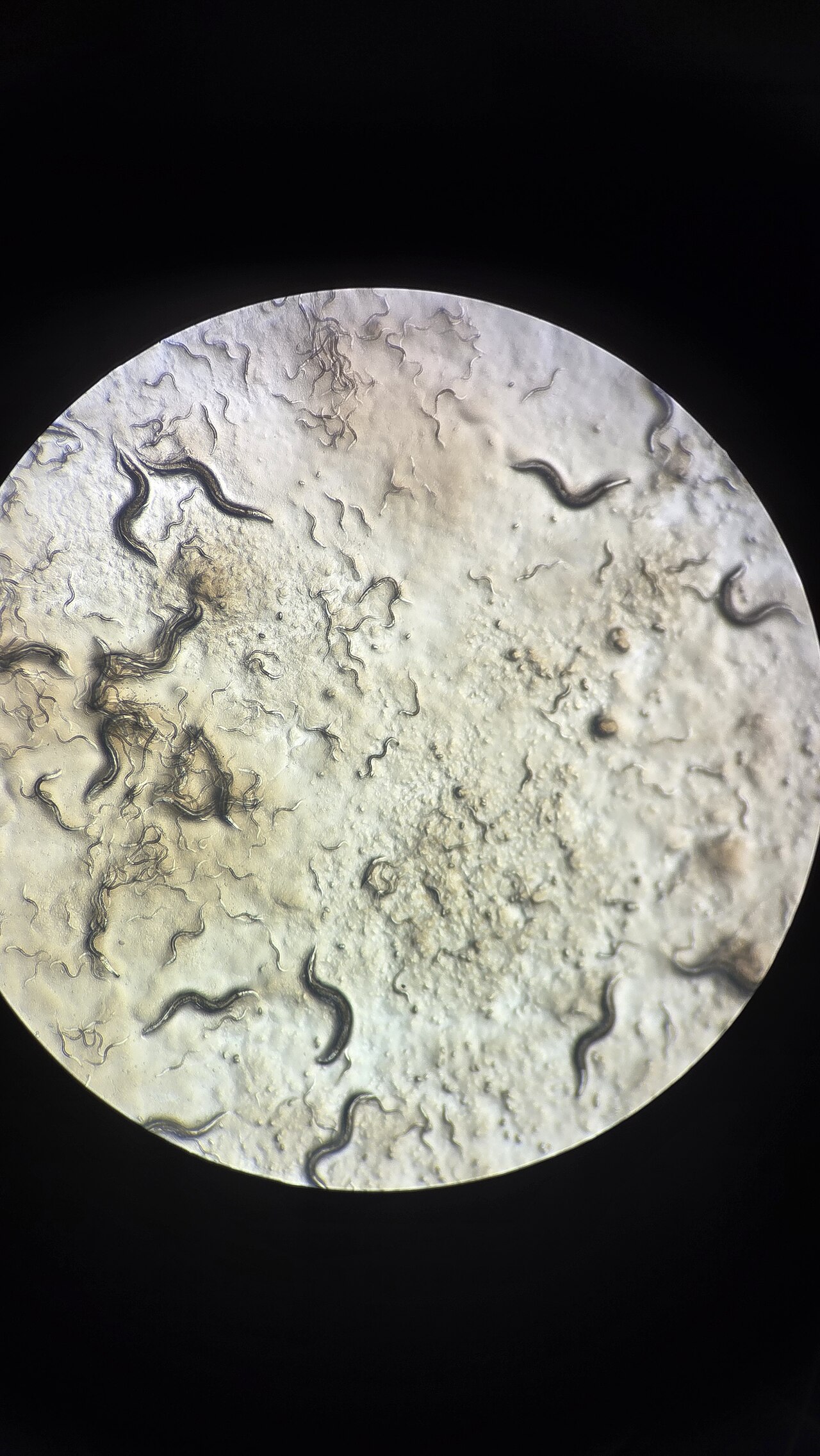
Chilly conditions are usually something organisms endure, not celebrate. But a new study reports that cold temperatures can flip a hidden molecular switch that extends lifespan — at least in worms — and identifies muscle as a key player in the process.
The BH2 Pathway
According to the study, exposure to cold activates a molecular pathway the coverage refers to as BH2, and worms in which the pathway was triggered lived longer. The work adds a mechanistic layer to an observation scientists have made for over a century: many cold-blooded organisms live longer at lower temperatures. Until now, that effect was often attributed simply to a slower metabolism; a defined signalling pathway suggests something more active is going on, with muscle tissue implicated in relaying the cold signal.
Why Worm Lifespan Matters
The nematode worm is a workhorse of ageing research because its short life makes lifespan experiments practical and many of its longevity pathways have counterparts in mammals. That does not mean cold showers will extend human life — the history of ageing research is full of worm results that did not translate. Readers following more longevity and science stories will know the pattern: promising mechanism first, human relevance unproven.
Reading the Finding Carefully
As coverage of the lifespan pathway study summarises, the discovery’s significance is in identifying a druggable-looking pathway rather than in prescribing behaviour. If a pathway mediates the effect, researchers can ask whether it can be engaged without the cold — a far more realistic route to any future therapy than refrigeration. The finding also underscores how environmental signals, not just genes and drugs, feed into the biology of ageing.
For now, this is elegant basic science: a hidden switch, a humble worm, and a new set of questions about how temperature talks to the machinery of life itself.
