

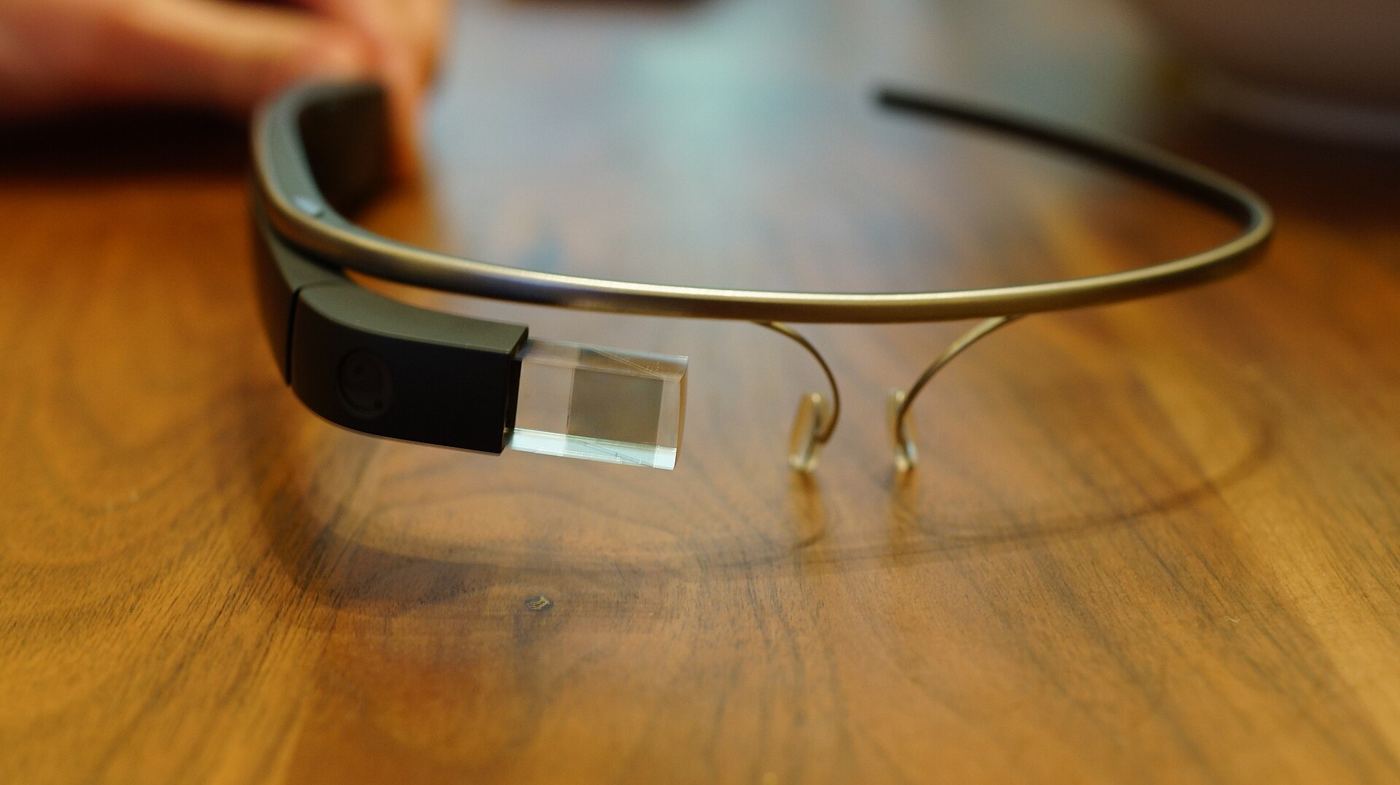
Smart glasses are being tested as a hands free navigation aid for city visitors, displaying walking directions, landmarks and public transport information without forcing travellers to stare down at a phone. Small arrows and prompts appear at the edge of vision, helping people keep their attention on streets, crossings and surroundings while they explore unfamiliar places. Tourism groups and transport operators see potential in step free route guidance, live departure updates and translations of signs appearing exactly when a visitor needs them. The technology builds on mapping services people already trust, but delivers them in a form better suited to crowded pavements and busy stations. Early trials suggest confidence, not novelty, is the main benefit for users. Rental schemes at stations and hotels are being considered so visitors can try the service without buying a device.
What the Evidence Shows
For navigation glasses to succeed, directions must be accurate to the correct pavement and entrance, because vague guidance at a complex junction quickly destroys trust in the device. Battery life, comfort in rain and clear privacy signals for bystanders also remain practical hurdles that manufacturers are still working through with each generation. Cities may need to improve open mapping data for pedestrian routes, lifts and temporary closures so wearable guidance reflects conditions on the ground in real time. Accessibility could be the strongest case, with audio prompts and high contrast displays helping travellers with low vision move more independently. If those pieces come together, glasses could become a useful travel companion rather than another gadget competing for attention. Developers are also testing indoor directions for stations and museums, where phone signals and conventional maps often struggle most. Reporting and analysis from sources such as MIT Technology Review track the same developments, and specialists following smart glasses for city navigation say the direction is now consistent across independent lines of evidence.
The Wider Context
The wider context is an industry learning to ship capability and restraint together. Products built around smart glasses for city navigation now launch with safety evaluations, usage data and rollback plans as standard, because enterprise buyers and regulators ask for them in the first meeting. Companies that treated those questions as friction are discovering they have become the purchase criteria.
What Happens Next
What happens next for smart glasses for city navigation depends less on another breakthrough than on the unglamorous work of reliability, pricing and support. The buyers evaluating it now are not enthusiasts; they are operators with budgets and auditors, and their checklists will decide the timeline. On the evidence of the current pilots, the technology has earned the right to be judged by them. You can follow related developments in our coverage of technology.
There is a practical lesson in all of this for readers deciding what to do today. Start with the verified facts, be wary of anyone promising certainty, and prefer reversible steps while the evidence is still developing. Circumstances differ by country, income and personal situation, so general guidance should always be weighed against your own context before you act on it in any significant or lasting way.
