

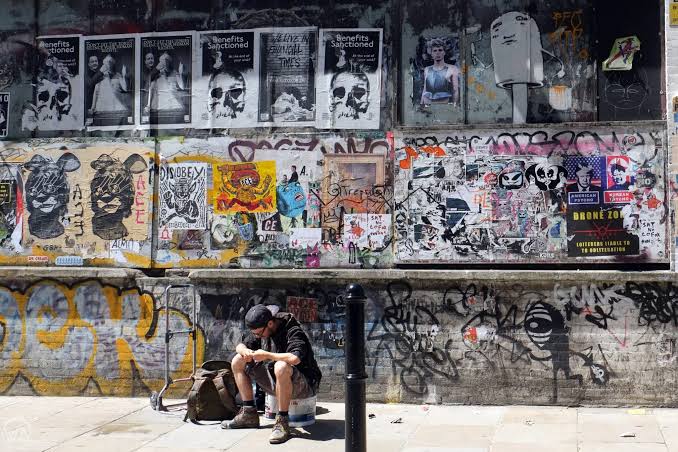
East London has a creative energy that shows up in its streets as much as in its galleries and venues. Murals brighten brick walls, independent shops bring character to busy high streets, and cafés and restaurants reflect the area’s many communities. From Shoreditch’s ever-changing street art to Hackney’s neighbourhood food scene, exploring this part of the capital is a chance to see how local culture is made, shared and continually renewed.
The area is not one uniform destination. Shoreditch, Hoxton, Hackney, Bethnal Green and the streets around Brick Lane each have their own character, shaped by local history, residents and small businesses. A rewarding visit leaves time to wander, look closely at the details and stop for food along the way.
Shoreditch: An ever-changing outdoor gallery
Shoreditch is one of East London’s best-known places to explore street art. Colourful murals, painted shutters, stencils and smaller pieces appear across its streets, creating an outdoor gallery that changes over time. Brick Lane, Rivington Street and the surrounding roads are good areas to explore, though part of the pleasure is spotting works beyond the most photographed corners.
The art is only one part of Shoreditch’s appeal. The neighbourhood also has independent shops, vintage stores, galleries and cafés, with a mix of long-running local businesses and newer creative ventures. Browsing is part of the experience: a side street may lead to a small gallery, a specialist shop or a café that feels far removed from the main thoroughfare.
For visitors, Shoreditch works best on foot. Take time to notice the changing artwork and the different ways businesses use their spaces. Street art can be temporary, so the neighbourhood rarely feels exactly the same on a return visit.
Brick Lane and Spitalfields: Markets, food and independent finds
Brick Lane brings together several strands of East London life. Its markets, food businesses, vintage shops and street art make it a lively place to spend part of a day. On market days, visitors can browse stalls selling clothing, second-hand goods, crafts and food, while nearby streets offer more independent shops and places to pause.
The area’s food scene reflects its long history of migration and enterprise. Brick Lane is especially associated with South Asian restaurants and food businesses, while the wider neighbourhood offers everything from bakeries and cafés to casual street-food options. Exploring the area is a reminder that London’s food culture is shaped by the communities who live and work here, as well as by visitors.
A short walk towards Spitalfields adds another layer to the outing. The market and surrounding streets offer more opportunities to browse independent businesses, find design-led shops and discover food stalls. Together, Brick Lane and Spitalfields make a useful starting point for a day focused on East London’s mix of culture, commerce and food.
Hoxton: Creative spaces and local character
Neighbouring Hoxton shares Shoreditch’s creative energy, but its streets also reflect a distinct local history. Hoxton Street has long been associated with small retailers and a street market, while the wider area includes galleries, cafés, pubs and creative businesses.
For visitors, Hoxton offers a chance to move beyond the busiest routes. Browse the shops, look for smaller cultural spaces and take time to explore the streets around the main roads. The area’s character comes from the overlap between its established communities and its creative industries, not simply from its reputation as a nightlife destination.
Independent businesses are particularly important here. Small retailers, studios and cafés give the neighbourhood much of its personality, while established markets and community spaces help maintain connections between residents and local traders.
Hackney: Neighbourhood businesses and a diverse food scene
Hackney is a broad and varied part of East London, with neighbourhoods including Hackney Central, Dalston, Clapton, London Fields and Stoke Newington. Its local character comes through in independent shops, markets, cafés, galleries and community spaces, alongside parks and waterways that offer a slower pace.
Broadway Market is a popular place to browse food stalls and independent businesses, while London Fields offers a nearby green space for a walk or a break from the busy streets. Other parts of Hackney have their own attractions, from independent shops around Church Street to the gardens and cultural venues found across the borough.
Food is central to the area’s appeal. Hackney’s restaurants reflect its diverse communities, and a visit can easily become a tour of different cuisines and dining styles. On Hackney Road, Amber Leaf London Restaurant brings regional Indian cooking into this wider neighbourhood story. Amber Leaf draws inspiration from the culinary traditions of Himachal Pradesh and Punjab, with heirloom recipes presented through a contemporary dining experience. Its menu ranges from Himalayan Ladakh momos and Punjab street samosa chaat to dishes such as lamb rogan josh and Grandmother’s Palak Chicken.
The restaurant’s emphasis on recipes passed down through generations gives diners an opportunity to explore the relationship between food, family traditions and regional identity. Located at 292 Hackney Road, it also makes a worthwhile dining stop for those exploring the independent businesses and cultural spaces around this part of East London.
Bethnal Green: Local history, markets and everyday discoveries
Bethnal Green offers another perspective on East London’s neighbourhood character. Its streets bring together residential communities, historic buildings, local shops and cultural attractions. It is a good area to explore at a relaxed pace, particularly for visitors interested in seeing how everyday neighbourhood life sits alongside the capital’s creative industries.
Columbia Road is one of the area’s best-known destinations. Its Sunday flower market attracts visitors looking for plants, flowers and independent shops, while the surrounding streets have cafés, galleries and small businesses worth discovering. The market can be busy, but that energy is part of its appeal.
Nearby, the Museum of the Home provides a different kind of cultural experience, exploring the changing nature of domestic life in Britain. It adds historical context to a visit and offers a useful contrast to the street markets and creative businesses found across the neighbourhood.
Bethnal Green is also a good place to appreciate the value of local enterprise. Independent cafés, traditional shops and newer businesses contribute to a neighbourhood that continues to evolve without losing all connection to its past.
Old Street: A meeting point for creative London and modern dining
Old Street sits at an interesting point between Shoreditch, Clerkenwell and the wider City fringe. Its reputation has been shaped by London’s technology and creative sectors, but the surrounding streets also contain restaurants, independent businesses and older buildings that give the area a character of its own.
For visitors, the district works well as part of a wider walking route. Explore the streets around Old Street, browse nearby shops and galleries, and take time to notice how modern offices sit alongside older commercial buildings. The mix reflects East London’s ability to accommodate different industries and communities within a relatively compact area.
The food scene offers another reason to spend time here. At 374–378 Old Street, Tavern brings a modern interpretation of British tavern dining to the neighbourhood. Its approach combines seasonal British produce, open-flame cooking and a menu designed around sharing, with a relaxed atmosphere that draws on the warmth of traditional pub culture.
The restaurant provides a different perspective on East London’s dining identity. Rather than relying on one particular cuisine, its cooking explores British ingredients through inventive combinations and contemporary techniques. It is a fitting option for visitors who want to finish a day exploring the area’s creative spaces with a considered meal. Its Old Street location also makes it convenient to incorporate into an itinerary covering Shoreditch and the surrounding streets.
Make space for the unexpected
One of the best ways to explore East London is to leave room for discoveries that are not on the itinerary. A mural may catch your eye down a side street; a small shop might introduce you to a local maker; a market stall may offer something you have never tried before. These encounters are part of what makes the area feel creative and lived-in.
It is also worth remembering that street art and local businesses change. Some works are temporary, and shops or cafés may evolve over time. Rather than trying to see everything in one visit, choose a few areas and explore them at a relaxed pace.
Food can be an especially rewarding part of this approach. Try a neighbourhood café, explore a market’s independent traders or choose a restaurant whose menu tells a story about its ingredients and culinary influences. These experiences offer a more personal understanding of East London than simply moving between its most famous attractions.
Discovering East London through its streets and food
East London’s creative identity is built from many elements: street art that transforms ordinary walls, independent businesses that give neighbourhoods their character, and restaurants that reflect the cultures and histories of the people who live there.
Shoreditch offers a lively introduction through murals, galleries and shops. Brick Lane and Spitalfields bring together markets and a wide range of food. Hoxton and Hackney reveal more neighbourhood-level character, while Bethnal Green offers local history, independent retailers and a popular flower market. Old Street adds another dimension through its creative industries and evolving dining scene.
Amber Leaf and Tavern bring two distinct culinary experiences into this wider exploration. Amber Leaf introduces regional Indian flavours inspired by Himachal Pradesh and Punjab in Hackney, while Tavern offers contemporary British cooking on Old Street. Their different approaches reflect the variety of London’s East End dining scene and demonstrate how food can become part of the experience of discovering a neighbourhood.
Ultimately, exploring East London is about more than ticking off attractions. It is about noticing the details, supporting independent businesses, discovering local food and understanding the communities that give each street its identity.
