

Introduction
Climate change has encouraged individuals and businesses to think more carefully about their environmental impact. Many organizations are measuring their greenhouse gas emissions, setting reduction goals, and exploring carbon offsets as part of their wider climate strategies. However, choosing carbon credits is not always simple. Buyers need to understand where credits come from, which projects support them, and what evidence is available after a purchase. Without clear information, it can be difficult to know what a carbon offset transaction actually represents. This is why transparency and traceability have become important parts of the modern carbon market. CarbonTarget aims to make this process easier by connecting carbon offset purchases with project information, allocation records, and supporting retirement evidence.
Carbon offset buyers should have access to more than a payment confirmation or a general statement about supporting the environment. They need a useful record that explains the quantity they purchased and provides a way to review the projects connected to their allocation. CarbonTarget focuses on this need through a platform that allows customers to explore carbon offsets by the tonne, select a project mix, and receive a downloadable allocation certificate. Its approach gives individuals and companies a clearer way to follow their purchases and understand the documentation behind them. By making project details and supporting records easier to access, CarbonTarget supports more informed decisions about climate contributions.
Why Transparency Matters in Carbon Credit Purchases
Carbon credits are connected to projects that aim to reduce, avoid, or remove greenhouse gas emissions. These projects may involve renewable energy, forest conservation, energy efficiency, or other activities that support climate action. However, not all projects work in the same way. Each has its own design, location, monitoring process, and method for measuring environmental results. Buyers therefore need enough information to understand the project behind a credit. Transparent carbon markets make it easier to examine these details instead of relying only on broad environmental claims. Clear documentation also helps businesses explain their carbon offset activities to customers, employees, and other stakeholders.
For individuals, transparency can provide greater confidence when choosing how to support climate projects. For businesses, it can make sustainability records easier to organize and review. CarbonTarget addresses this need by showing project quantities together with their source references and providing a certificate that connects to the relevant allocation information. This approach helps customers understand what their purchase includes and where they can find supporting details. Transparency does not mean that every environmental question is automatically answered by a certificate. Instead, it gives buyers a clearer starting point for reviewing the available evidence and understanding the role of their carbon offset purchase.
How CarbonTarget Connects Purchases With Project Evidence
CarbonTarget provides a straightforward purchasing process that begins with an amount based on a customer’s estimated carbon footprint. Customers can choose the quantity of carbon offsets they want to purchase and review the available project mix before continuing. The platform offers Complete Mix and Essential Mix options, allowing buyers to explore different ways of selecting their carbon offset allocation. Customers can purchase by the tonne, including fractional quantities, rather than needing to select only whole tonnes. This can make carbon offset access more flexible for individuals and smaller organizations that want to consider an amount suited to their needs.
After a purchase, customers receive an allocation certificate, a project breakdown, and a link to check the certificate’s current status. These records help connect the transaction with the information behind the allocated quantity. The project breakdown gives customers a view of how their allocation is represented across the selected projects, while the certificate provides a record they can keep for future reference. This is an important part of the CarbonTarget model because it focuses on making the purchase easier to understand after the payment is complete. Buyers can return to their documentation when reviewing their climate activities or explaining the purchase to another person.
Understanding Verified Projects and Carbon Credit Standards
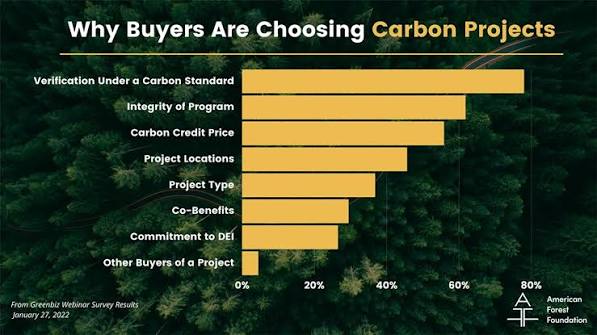
The quality of a carbon offset depends on more than the name of a project or the appearance of a certificate. Buyers should consider the standard under which credits are issued, the project design, the monitoring information, and the evidence used to support reported results. Recognized carbon credit standards provide frameworks for project requirements, monitoring, and verification. CarbonTarget’s website identifies standards and registries including Verra, Gold Standard, Universal Carbon Registry, and Global Carbon Registry. These organizations and programs have their own rules and processes, so understanding the source of a credit is an important step when reviewing carbon offset information.
CarbonTarget also describes a project review approach that examines project design, monitoring and verification reports, and documented project boundaries. Its stated assessment process considers additionality, possible over-crediting, leakage, project emissions, reversal risks, safeguards, community engagement, and potential double counting. These topics matter because they help buyers understand the questions involved in assessing carbon project integrity. The platform’s portfolio includes examples such as the Uluabat Hydroelectric project in Turkey, the Tranvic CDQ Project in China, the Tobolsk waste-gas energy recovery project in Russia, and REDD+ Matavén Forest Conservation in Colombia. Looking at project information can help customers move beyond general claims and learn about the activities connected to their carbon offset choices.
The Difference Between Allocation Records and Retirement Evidence
One important part of carbon credit transparency is understanding the difference between a customer allocation and an official registry retirement. Carbon credits are issued and tracked through the relevant registry under the rules of the applicable program. When credits are retired, they are permanently removed from circulation within that registry. The registry record is the authoritative source for the issuance and retirement information. Customers reviewing carbon offset documentation should understand this distinction because an allocation certificate and a registry retirement record serve different purposes. Clear language helps prevent confusion about what has been purchased and what the supporting documents demonstrate.
A customer allocation record explains the share assigned to a particular buyer. When a larger retired quantity supports several smaller customer allocations, the allocation records help connect each customer’s share with the underlying project and retirement information. This does not create additional credits or represent a second retirement. Instead, it provides a way to understand how the original retired quantity has been allocated among customers. CarbonTarget emphasizes project breakdowns, source references, and certificate status so buyers can follow this relationship more clearly. Understanding these separate records is useful for anyone who wants to review carbon offset purchases carefully and avoid treating an allocation certificate as a replacement for the issuing registry’s official evidence.
Conclusion
Transparency is an important part of building a more understandable carbon offset experience. Buyers need to know which projects are connected to their purchases, how their allocated quantities are recorded, and where they can find supporting information. They should also understand the difference between project verification, customer allocation, and official registry retirement. These details help individuals and businesses make more informed decisions while keeping their expectations realistic. Carbon offsets can support appropriate climate action, but they should be considered alongside measuring and reducing emissions rather than used as a replacement for meaningful reduction efforts.
CarbonTarget brings these ideas together through a purchasing platform built around carbon offset quantities, project mixes, allocation certificates, and supporting evidence. Its approach gives customers a clearer way to explore projects and keep records connected to their purchases. For businesses working on sustainability goals and individuals interested in supporting climate projects, accessible documentation can make the process easier to understand and review. Anyone interested in learning more about available project mixes, carbon offset purchases, and certificate information can visit CarbonTarget’s official website to explore the platform and understand how its approach to carbon transparency works.
