

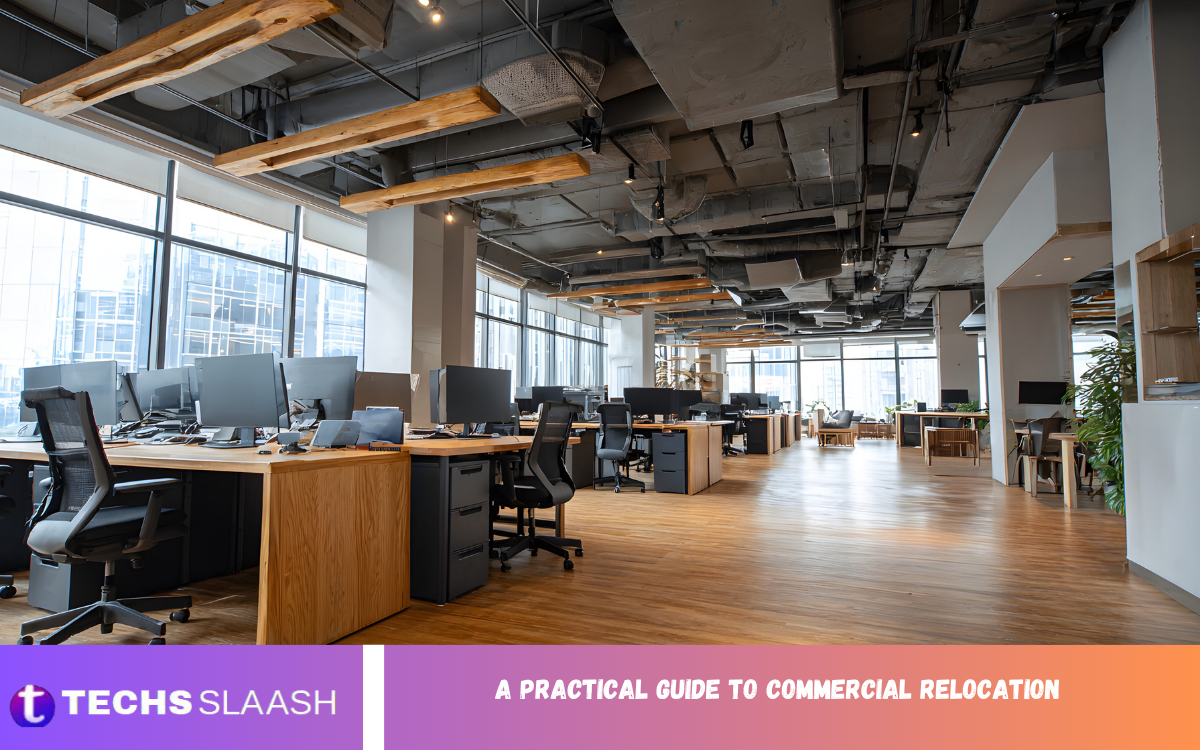
Commercial relocation is a major undertaking that requires careful planning, organization, and communication. Unlike a residential move, relocating a business involves employees, equipment, documents, technology, inventory, customers, and daily operations.
A well-managed relocation can minimize downtime and help a company begin operating smoothly in its new space. This practical guide to commercial relocation explains the essential steps businesses should follow before, during, and after the move.
Start Planning Early
Early planning gives a business enough time to identify potential problems and create practical solutions. Ideally, management should begin preparing several weeks or months before the actual move date, depending on the company’s size and complexity.
Create a relocation schedule that includes important deadlines for packing, utility changes, employee communication, equipment preparation, transportation, and final inspections. Assign responsibilities to specific team members so that important tasks do not become overlooked.
Create a Commercial Moving Budget
A commercial relocation budget should include more than the basic moving service. Businesses may also need to account for packing materials, temporary storage, transportation, equipment installation, cleaning, utility connections, furniture changes, and possible downtime.
Keeping a detailed budget makes it easier to control expenses throughout the project. Include a contingency amount for unexpected costs, as commercial moves can involve last-minute repairs, additional transportation, or specialized handling.
Choose the Right Moving Company
Selecting an experienced commercial moving company is one of the most important decisions in the relocation process. Businesses should consider experience, available equipment, workforce capacity, scheduling flexibility, insurance coverage, and the company’s ability to handle specialized items.
Ask potential movers for detailed estimates and explain the complete scope of the relocation. A professional mover should understand your timeline, property access, equipment requirements, packing needs, and any restrictions at the current or new location.
Prepare a Detailed Inventory
A complete inventory helps businesses know exactly what is being moved. List furniture, electronics, office equipment, documents, inventory, machinery, and other valuable assets before packing begins.
Use the inventory to identify items that can be discarded, donated, sold, recycled, or replaced instead of transported. Reducing unnecessary belongings can lower transportation costs and make the new workplace easier to organize.
Organize Packing Efficiently
Commercial packing requires a systematic approach because business equipment and documents often have different handling requirements. Label boxes by department, room, contents, and priority to speed unpacking.
Sensitive electronics should receive appropriate protection, while fragile equipment should be clearly marked. Important documents should be securely packed and kept accessible so employees can retrieve essential information during the transition.
Protect Technology and Data
Technology is often one of the most important parts of a modern business relocation. Computers, servers, networking equipment, phones, printers, and other devices should be carefully prepared before transport.
Create backups of important business data before disconnecting equipment. Coordinate with the company’s technology team to plan shutdowns, transportation, installation, network configuration, testing, and security procedures at the new location.
Plan for Employees
Employees should receive clear information about the relocation as early as possible. Explain the moving schedule, new workplace arrangements, parking information, transportation considerations, and any changes that may affect their daily routines.
Assign department representatives to communicate employee concerns and provide updates. Good communication can reduce confusion and help staff understand what they need to do before, during, and after the move.
Minimize Business Downtime
Business interruption can be costly, so reducing downtime should be a major priority. Plan the move around weekends, holidays, evenings, or other periods when business activity is naturally lower whenever practical.
Critical departments may need separate moving schedules so that essential services remain available. Establish temporary procedures for customer service, communications, deliveries, and other important operations if normal systems cannot be used immediately.
Prepare the New Location
The new property should be ready before employees and equipment arrive. Confirm that electricity, internet, lighting, security systems, heating and cooling, plumbing, access controls, and other essential services are functioning properly.
Check room layouts and determine where furniture, equipment, files, and workstations will be placed. Preparing the space in advance allows movers to position items correctly and helps employees begin working sooner.
Handle Furniture and Equipment
Office furniture can be difficult to move when it includes large desks, cabinets, conference tables, shelving, or specialized equipment. Measure doorways, elevators, hallways, and work areas before moving large items.
Some equipment may require professional disassembly and reassembly. Create clear instructions for valuable or complex items, and ensure the moving team understands which pieces require special handling.
Manage Important Documents
Business records may contain confidential financial, legal, employee, or customer information. These documents should be organized and transported using secure procedures that limit unnecessary access.
Separate records that are required immediately from documents that can be stored. Consider digitizing appropriate records where practical, while maintaining required physical documents in accordance with business and legal requirements.
Communicate With Customers
Customers should not be left uncertain about where or how the business will operate during relocation. Provide appropriate notice about the new address, expected changes, temporary interruptions, and revised delivery or service arrangements.
Update business materials that display the old location, including invoices, stationery, directories, signage, packaging, and other customer-facing information. Consistent communication helps prevent missed deliveries and confusion.
Manage Utilities and Services
Utility planning should be completed before the moving date. Arrange electricity, water, internet, telephone services, security systems, waste collection, cleaning, and other essential services for the new property.
At the previous location, determine when services should be discontinued. Avoid shutting down critical utilities too early because the old facility may still require lighting, security, climate control, or other services during the final stages of the move.
Address Safety Requirements
Safety should remain a priority throughout commercial relocation. Employees and movers may encounter heavy equipment, narrow pathways, electrical connections, loading areas, and other potential hazards during the process.
Keep walkways clear, and ensure heavy objects are moved with suitable equipment and by trained personnel. Establish procedures for loading and unloading, and ensure everyone understands restricted areas during the relocation.
Keep Essential Items Accessible
Not everything should be packed away immediately. Create an essential-items box containing chargers, basic office supplies, important documents, cleaning materials, tools, labels, and other items that may be needed on moving day.
Critical business equipment should also be identified and prioritized. Keeping these items accessible can prevent unnecessary delays when employees need to restart operations at the new location.
Read Also: 5 Key Features of Modern Compensation Platforms
Complete the Move
On moving day, use the inventory and relocation schedule to track progress. A designated manager should coordinate with employees, movers, building management, technology specialists, and other parties involved in the transition.
Before leaving the old location, inspect the rooms and storage areas to ensure nothing important has been left behind. At the new facility, check delivered items against the inventory and immediately record any missing or damaged property.
Settle Into the New Workplace
Once the physical relocation is complete, employees should receive guidance about the new workplace. Explain workstation assignments, emergency exits, meeting areas, storage locations, access procedures, and other important details.
Give staff time to organize their workspaces and report problems. Small issues such as missing cables, misplaced boxes, furniture adjustments, or technology problems can usually be resolved quickly when they are identified early.
Review the Relocation
After the business has resumed normal operations, conduct a relocation review. Compare actual expenses with the original budget and evaluate whether the schedule, communication, transportation, and setup processes worked effectively.
Ask employees and department managers for feedback about the experience. Document useful lessons for future moves, as this information can make another commercial relocation faster, safer, and more cost-effective.
Common Commercial Relocation Mistakes
One common mistake is waiting too long to begin planning. Businesses may also underestimate costs, fail to create an inventory, overlook technology requirements, or provide employees with insufficient information about the move.
Another problem is failing to prepare the new facility before equipment arrives. A detailed relocation plan helps prevent these issues by establishing responsibilities, deadlines, priorities, and contingency procedures before moving day.
Final Commercial Relocation Checklist
Before the relocation begins, confirm the moving date, budget, inventory, employee communication, packing schedule, transportation arrangements, technology plan, and new-site preparations. Every major responsibility should have a clearly assigned person.
After the move, verify equipment, documents, furniture, utilities, technology, security, signage, and employee workstations. Completing a final inspection ensures that the business can return to normal operations without unnecessary delays.
Frequently Asked Questions
How long does a commercial relocation take?
The timeline depends on the size of the business, the amount of equipment, the distance between locations, and the complexity of the move. Small offices may relocate quickly, while larger organizations can require several weeks or months of preparation.
When should a business start planning a relocation?
Businesses should begin planning as early as possible. A larger relocation may require several months of preparation, while a smaller office move may need significantly less time.
How can a company reduce moving costs?
Reducing unnecessary inventory, comparing moving estimates, planning transportation efficiently, and scheduling the relocation during low-activity periods can help control costs without compromising essential services.
Should employees be involved in the relocation process?
Yes. Employees can provide useful information about equipment, documents, workstation requirements, and department priorities. Clear involvement also improves communication and reduces confusion during the transition.
How should computers be prepared for relocation?
Important data should be backed up before equipment is disconnected. Computers and networking equipment should be labeled and handled carefully, with technology specialists coordinating shutdown, transportation, installation, and testing.
What should a commercial moving inventory include?
An inventory should include furniture, electronics, machinery, documents, office supplies, inventory, and other valuable property. Serial numbers or identifying information can also be recorded for important equipment.
How can business downtime be minimized?
Move during periods of low business activity, prioritize essential departments, prepare the new location in advance, and establish temporary operating procedures when necessary. Good coordination can significantly reduce interruptions.
What should be done with unnecessary office items?
Unnecessary items can be sold, donated, recycled, discarded, or replaced depending on their condition and usefulness. Removing excess property before moving can reduce transportation and storage costs.
What should be checked at the new location?
Check utilities, internet connectivity, security, lighting, climate control, access points, furniture placement, workstations, technology systems, and safety features before employees fully resume operations.
What is the most important part of commercial relocation?
Planning is one of the most important elements of a successful commercial relocation. A detailed plan helps coordinate people, equipment, transportation, technology, finances, communication, and business continuity.
Conclusion
A practical guide to commercial relocation begins with early planning, accurate budgeting, detailed inventory management, employee communication, and careful coordination. Businesses that prepare each stage in advance can reduce disruption and protect valuable assets.
A successful relocation is more than transporting furniture and equipment from one building to another.
