


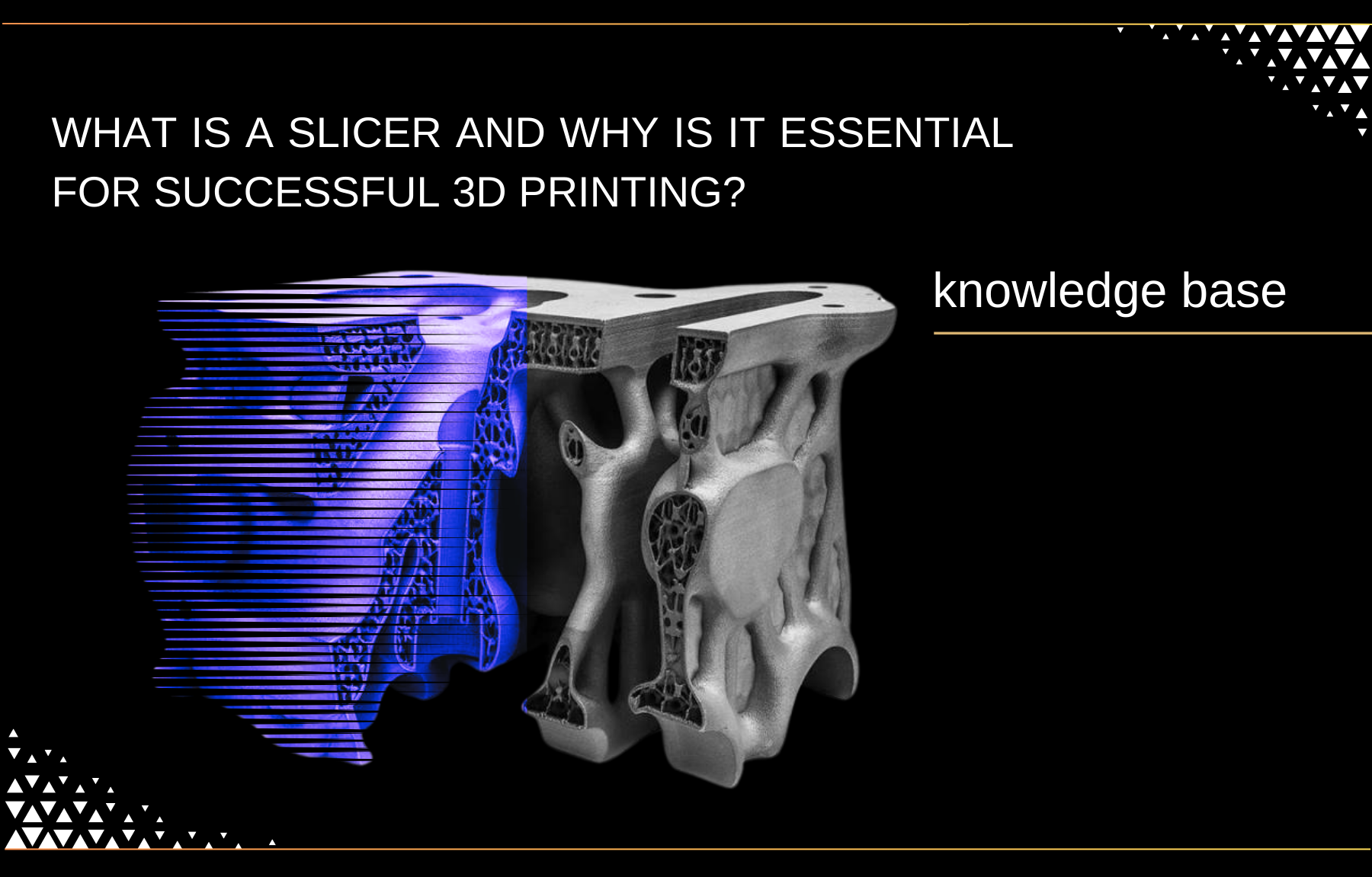
If you’ve been 3D printing for a while, you’ve probably hit the point where “good enough” slicer defaults stop being good enough. The real gains—cleaner overhangs, faster print times, stronger parts—come from a handful of advanced slicer features that directly affect how plastic is laid down.
The trick is knowing which settings are worth your attention and which ones are rabbit holes. A capable 3d printing software workflow makes these features easier to find, preview, and tune without turning every print into an experiment.
Below are the advanced slicer tools that consistently move the needle, plus how to use them without overcomplicating your process.
Pressure/linear advance: the fastest path to sharper corners
If your corners bulge, small text looks mushy, or seam areas look blobby, pressure (or linear) advance is often the fix. It compensates for the delay between extruder motion and plastic pressure in the hotend, so flow ramps up and down at the right time.
- Why it matters: crisper corners, cleaner seams, better dimensional accuracy.
- Where it shines: fast printing, direct drive vs. Bowden differences, small features.
- Common mistake: dialing it in once and forgetting that different filaments (TPU vs. PLA) often need different values.
Variable layer height: spend detail where it’s visible
Variable (adaptive) layer height lets you print thicker layers on simple vertical walls and thinner layers on curves, slopes, and top details. Done right, you get smoother surfaces without paying a huge time penalty.
- Use thick layers for straight walls (speed and strength).
- Use thin layers on curves, domes, faces, and embossed text.
- Preview the toolpath and watch for abrupt layer changes near cosmetic areas.
It’s especially useful for figurines, ergonomic grips, and any model where “stair stepping” is obvious.
Support control that’s actually surgical
Supports are a necessary evil—until you start controlling them precisely. Advanced support features reduce scarring, save filament, and cut post-processing time.
- Support painting/blocking: force supports only where needed, avoid delicate surfaces.
- Interface layers: add a denser “roof” for cleaner overhang undersides.
- Z distance tuning: small changes can turn supports from welded-on to peel-away.
A good workflow is to paint supports for critical overhangs, then add interface layers only where you care about the underside finish.
Seam strategy: hide it or control it
Z-seams are inevitable with most FDM prints, but they don’t have to be random. Seam placement tools let you pick the least noticeable edge, align seams to a back corner, or distribute them to avoid a single zipper line.
For cosmetic parts, prioritize consistent seam placement on a hidden edge. For mechanical parts, focus on seam position away from mating surfaces to prevent fit issues.
Volumetric flow limits: print faster without outrunning your hotend
You can raise speeds all day, but the hotend can only melt so much plastic per second. Volumetric flow control caps extrusion based on what your hardware and filament can sustain.
- Why it matters: prevents under-extrusion at high speed, improves consistency across features.
- Best practice: tune a realistic max flow for PLA, PETG, ABS/ASA separately.
- Bonus: it makes “speed profiles” more reliable across different nozzle sizes.
Infill and walls: strength comes from the right places
More infill isn’t automatically stronger. For most functional prints, the biggest strength gains come from walls (perimeters) and smart reinforcement.
- Increase wall count before pushing infill past moderate levels.
- Use modifiers to add extra walls/infill only around screw bosses, corners, or load points.
- Choose infill patterns based on load direction (not just what looks cool in preview).
Conclusion
The advanced slicer features that matter most are the ones that change real-world outcomes: pressure/linear advance for clean edges, variable layer height for visible quality, targeted support controls for easier cleanup, seam strategies for better cosmetics, volumetric limits for reliable speed, and wall-focused strength tuning for functional parts.
If you focus on these core tools—and make changes one at a time—you’ll get more consistent prints with less trial and error, while still keeping your slicing workflow fast and enjoyable.
