

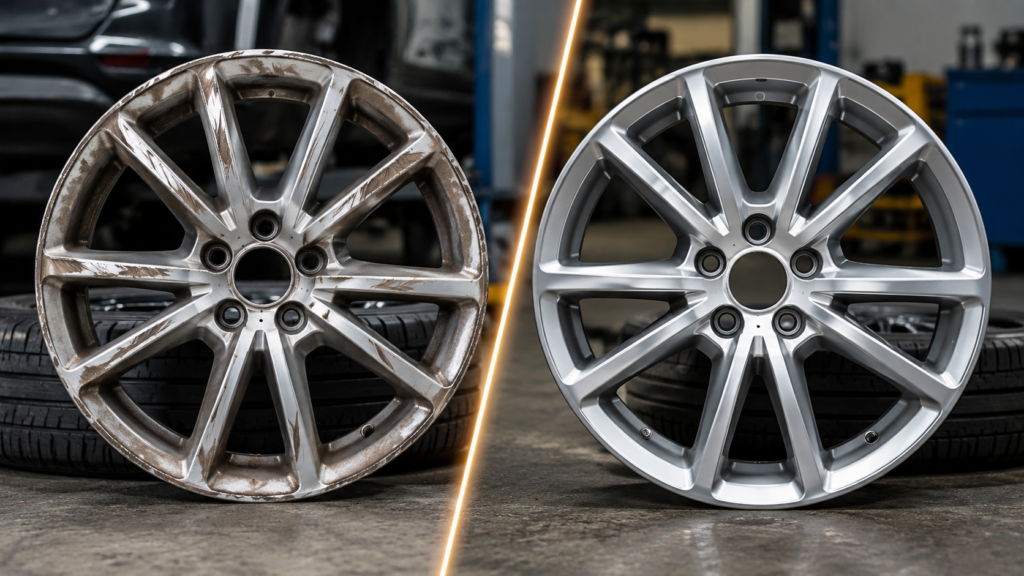
Your vehicle’s wheels do much more than complete its appearance. They play a vital role in safety, handling, fuel efficiency, and overall driving performance. Unfortunately, alloy wheels are exposed to daily hazards such as potholes, kerbs, road debris, and harsh weather conditions. Even careful drivers can experience scratches, scuffs, bends, or cracks over time.
This is where alloy wheel repair becomes an excellent investment. Instead of replacing expensive wheels, professional repair services can restore damaged alloys to an excellent condition while maintaining their strength and appearance.
For drivers looking for reliable, professional refurbishment, LBB Smart has built a reputation for delivering high-quality alloy wheel restoration with skilled craftsmanship and modern repair techniques. Whether your wheels have cosmetic damage or require more comprehensive restoration, choosing experienced specialists ensures long-lasting results.
In this guide, we’ll explore everything you need to know about alloy wheel repair, including common types of damage, repair methods, benefits, maintenance tips, and why professional restoration is often the smartest solution.
Why Alloy Wheels Need Professional Care
Alloy wheels are popular because they’re lightweight, stylish, and improve vehicle handling compared to traditional steel wheels. However, these advantages also make them more susceptible to cosmetic and structural damage.
Common causes include:
- Kerb impacts during parking
- Deep potholes
- Road salt and corrosion
- Loose gravel and stones
- Minor collisions
- Brake dust buildup
- Weather exposure
Even small imperfections can gradually worsen if ignored. Surface damage may eventually lead to corrosion, while structural damage could affect wheel balance and driving safety.
Professional alloy wheel repair helps restore both appearance and functionality before minor issues become expensive problems.
Common Types of Alloy Wheel Damage
Understanding the different types of damage helps determine whether repair is possible.
Kerb Rash
The most common issue occurs when wheels scrape against kerbs while parking.
Typical signs include:
- Scratches
- Scuffed edges
- Missing paint
- Surface gouges
Although mainly cosmetic, kerb rash reduces your vehicle’s appearance and resale value.
Scratches and Chips
Road debris frequently causes paint chips and surface scratches.
Over time these exposed areas allow moisture to penetrate the metal, increasing the risk of corrosion.
Bent Wheels
Driving through large potholes or hitting obstacles can bend the wheel.
Symptoms often include:
- Steering vibration
- Uneven tyre wear
- Air leaks
- Poor vehicle handling
Professional straightening equipment can often restore bent wheels safely.
Cracked Wheels
Cracks are more serious and require immediate inspection.
Professional technicians evaluate whether:
- Repair is safe
- Welding is appropriate
- Replacement is necessary
Safety always comes first when dealing with structural damage.
Corrosion
Older alloy wheels frequently develop corrosion beneath the protective coating.
Signs include:
- Bubbling paint
- White oxidation
- Flaking finish
- Rough surfaces
Professional refurbishment removes corrosion completely before applying a durable new finish.
Why Professional Alloy Wheel Repair Is Better Than DIY
Many DIY repair kits promise quick results, but alloy wheel restoration requires specialist tools and expertise.
Professional services offer:
Accurate Damage Assessment
Experienced technicians inspect both visible and hidden damage before beginning repairs.
Precision Equipment
Modern machinery restores:
- Wheel alignment
- Structural integrity
- Surface smoothness
- Finish quality
Factory-Quality Finish
Professionally refurbished wheels receive:
- Proper preparation
- High-quality primers
- Durable coatings
- Protective clear lacquer
The result looks significantly better and lasts much longer than DIY alternatives.
Cost Savings
Replacing premium alloy wheels can be expensive.
Repair typically costs considerably less while restoring nearly factory-quality appearance.
For many drivers, refurbishment provides outstanding value.
Improved Safety
Professional repairs ensure damaged wheels meet safe operating standards before returning to the road.
The Alloy Wheel Repair Process
Although every repair differs slightly, the process generally follows several important stages.
Initial Inspection
Technicians evaluate:
- Cosmetic damage
- Structural integrity
- Corrosion
- Cracks
- Wheel balance
This determines the most suitable repair method.
Wheel Preparation
The wheel is cleaned thoroughly to remove:
- Brake dust
- Dirt
- Grease
- Old coatings
Proper preparation ensures excellent adhesion during refinishing.
Damage Repair
Depending on the condition, technicians may perform:
- Sanding
- Filling
- Straightening
- Welding (where appropriate)
- Surface reshaping
Refinishing
The repaired wheel receives:
- Primer
- Colour coating
- Protective lacquer
Modern colour matching creates an appearance that closely matches the original manufacturer finish.
Quality Inspection
Before returning the wheel, technicians inspect:
- Surface quality
- Paint consistency
- Structural condition
- Overall finish
Every repaired wheel should meet strict quality standards.
Benefits of Choosing Professional Alloy Wheel Repair
Restore Your Vehicle’s Appearance
Freshly refurbished wheels instantly improve your vehicle’s overall look.
Many owners are surprised by how dramatically repaired alloys refresh an older car.
Increase Resale Value
Buyers notice wheel condition.
Clean, professionally restored alloys create a stronger first impression and help maintain resale value.
Extend Wheel Lifespan
Repairing damage early prevents:
- Corrosion spread
- Structural deterioration
- Additional wear
This helps maximise the lifespan of your wheels.
Better Driving Performance
Straight, balanced wheels contribute to:
- Improved handling
- Reduced vibration
- Better tyre wear
- Enhanced driving comfort
Environmentally Friendly
Repairing existing wheels reduces waste compared with replacing them.
Choosing refurbishment supports more sustainable vehicle maintenance.
Signs You Should Schedule Alloy Wheel Repair
Don’t wait until damage becomes severe.
Consider professional inspection if you notice:
- Visible scratches
- Kerb damage
- Paint peeling
- White corrosion spots
- Steering vibration
- Air pressure loss
- Bent wheel edges
- Cracks
Early repairs often prevent more expensive work later.
Why Drivers Trust LBB Smart
Choosing the right repair specialist makes a significant difference in the final result.
LBB Smart focuses on delivering high-quality alloy wheel restoration using skilled technicians, advanced repair equipment, and attention to detail. Their repair process is designed to restore wheels efficiently while maintaining both safety and appearance.
Whether your wheels have suffered everyday kerb damage or require complete refurbishment, professional services help extend wheel life without the high cost of replacement.
Customers value experienced workmanship, quality finishes, and reliable service that keeps their vehicles looking their best.
Tips to Keep Your Alloy Wheels Looking New
Proper maintenance helps protect your investment after repair.
Clean Regularly
Use pH-neutral wheel cleaners rather than harsh chemicals.
Avoid Aggressive Kerb Contact
Take extra care when parking close to kerbs.
Check Tyre Pressure
Correct tyre pressure reduces unnecessary wheel stress.
Wash Off Road Salt
During winter months, remove salt buildup promptly to minimise corrosion.
Repair Minor Damage Early
Small chips and scratches are much easier to repair before corrosion develops.
Choosing the Right Alloy Wheel Repair Specialist
Not every repair service offers the same level of quality.
Consider these factors:
- Experienced technicians
- Positive customer reviews
- Modern repair equipment
- Colour matching expertise
- Quality materials
- Transparent pricing
- Warranty on workmanship
- Proven reputation
Selecting an experienced specialist helps ensure durable, attractive results.
The Long-Term Value of Professional Repairs
Many vehicle owners assume replacement is the only solution after wheel damage.
However, professional refurbishment often restores wheels to an excellent condition at a fraction of replacement costs.
Benefits include:
- Lower maintenance expenses
- Improved vehicle appearance
- Enhanced safety
- Longer wheel lifespan
- Better resale value
For most cosmetic and many structural issues, professional repair remains the most practical option.
Frequently Asked Questions
Can scratched alloy wheels be repaired?
Yes. Most scratches, kerb rash, and cosmetic damage can be professionally repaired and refinished to a high standard.
Is alloy wheel repair cheaper than replacement?
In most cases, yes. Repair is significantly more affordable than purchasing a brand-new alloy wheel.
How long does alloy wheel repair take?
Repair time depends on the extent of the damage, but many standard repairs can be completed within a day or two.
Are repaired alloy wheels safe?
When repaired by experienced professionals using approved methods, alloy wheels can be restored safely for continued road use. Severe structural damage may require replacement instead.
How can I prevent future wheel damage?
Drive carefully around kerbs, avoid potholes where possible, maintain correct tyre pressure, and clean your wheels regularly to reduce corrosion.
Conclusion
Alloy wheels face constant exposure to road hazards, making damage almost inevitable over time. Fortunately, scratches, kerb rash, corrosion, bends, and many other issues don’t automatically mean expensive replacement. Professional alloy wheel repair offers a cost-effective solution that restores both appearance and performance while helping extend the life of your wheels.
By choosing an experienced specialist like LBB Smart, drivers benefit from expert workmanship, advanced repair techniques, and durable finishes that enhance both the look and value of their vehicles. Investing in timely repairs not only keeps your car looking its best but also contributes to safer, smoother driving for years to come.
