

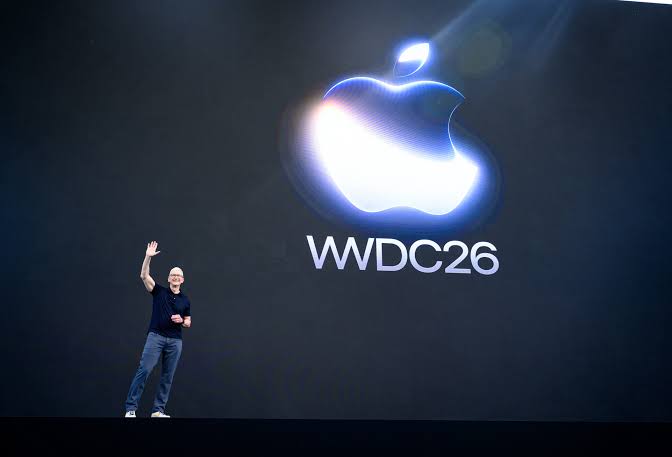
Apple’s fiscal Q4 2026 earnings delivered stronger-than-expected revenue and earnings, but investors focused on a growing challenge: rising memory chip costs driven partly by expanding artificial intelligence infrastructure. The company warned that higher component expenses could pressure margins in the coming quarters, raising questions about the sustainability of technology-sector profitability. Beyond Apple, this development highlights a broader shift in the semiconductor industry as AI companies compete for advanced computing resources.
For cryptocurrency investors, the implications extend beyond consumer electronics. AI data centers and crypto infrastructure increasingly depend on electricity, computing facilities, networking equipment, and substantial capital investment. At the same time, publicly traded Bitcoin miners are expanding into AI and high-performance computing (HPC) to diversify their revenue. Apple’s earnings therefore provide an opportunity to examine how the AI infrastructure boom could reshape semiconductor supply, Bitcoin mining economics, and investment opportunities across the digital asset industry.
Key Takeaways
- Apple reported $114.48 billion in Q4 FY2026 revenue, but warned that rising memory costs could reduce its next-quarter gross margin.
- AI infrastructure expansion is increasing demand for HBM and server memory, influencing semiconductor production priorities.
- Bitcoin miners are exploring AI and HPC services to diversify revenue and monetize existing infrastructure.
- AI investment could increase competition for electricity, data centers, and capital across technology and crypto industries.
- Apple’s earnings do not directly determine Bitcoin prices, but offer insight into broader technology-sector sentiment and infrastructure investment.
Why Did Apple Stock Fall After Beating Earnings?
Apple reported fiscal fourth-quarter revenue of $114.48 billion for the quarter ended September 26, 2026, representing approximately 12% year-over-year growth. Earnings per share reached $2.10, exceeding analyst expectations of approximately $2.00, while net income totaled around $30.7 billion. Strong demand for the iPhone 18 Pro lineup helped drive iPhone revenue to approximately $57.58 billion. Mac sales also performed well, supporting the company’s overall earnings growth. However, the positive results were not enough to satisfy investors, who became more concerned about Apple’s forward guidance than its completed quarter.
The main concern was profitability. Apple forecast gross margins of 45%–46% for its December quarter, compared with 47.9% in the September quarter. Management attributed the expected pressure partly to rising memory prices and additional operating costs associated with AI services. Services revenue growth was also projected at 8%–9%, below some analyst expectations. Consequently, Apple’s shares declined during its earnings call, illustrating how markets can react negatively to weaker forward guidance even when a company beats current revenue and EPS estimates. Investors are increasingly evaluating whether AI-related costs and supply-chain pressures could limit future earnings growth.
The broader significance is that AI investment is changing the economics of the semiconductor supply chain. Data center operators require increasingly powerful GPUs, advanced memory, and high-speed storage to support AI training and inference. As manufacturers prioritize higher-value products, consumer electronics companies such as Apple must manage potentially higher component costs. Apple’s experience therefore offers a useful starting point for understanding how the AI boom may affect other industries, including cryptocurrency infrastructure.
How Is AI Driving Up Global Memory Chip Prices?Why AI Data Centers Need More Memory
Modern AI systems depend on several types of semiconductor memory. High-bandwidth memory (HBM) provides the data throughput required by advanced GPUs, while dynamic random-access memory (DRAM) supports server and device operations. NAND flash provides longer-term data storage, particularly in SSDs and smartphones. As AI models become larger and inference workloads expand, data center operators require more computing capacity and increasingly sophisticated memory systems. This growing demand has encouraged manufacturers to prioritize advanced memory products, particularly HBM, which involves specialized production and packaging processes.
HBM, DRAM, and NAND are not interchangeable products, but they share parts of the semiconductor manufacturing ecosystem. Production investment, equipment availability, and supply-chain capacity can influence multiple memory categories. When manufacturers allocate more resources to high-margin AI products, other customers may face tighter supply conditions or higher procurement costs. This is particularly relevant to consumer electronics manufacturers, which require substantial quantities of mobile DRAM and NAND for smartphones, tablets, and computers.
How AI Demand Is Reshaping Semiconductor Supply
Major memory manufacturers, including Samsung Electronics, SK Hynix, and Micron Technology, are expanding their capabilities to serve AI infrastructure customers. TrendForce’s September 2026 forecasts anticipated further increases in conventional DRAM and NAND contract prices during the fourth quarter, reflecting strong demand and supply constraints. These forecasts demonstrate how AI infrastructure investment can influence pricing beyond the GPU market itself. However, actual prices will also depend on inventory levels, manufacturing expansion, customer demand, and future production capacity.
For Apple, higher memory prices increase the cost of producing devices if suppliers pass those increases through to customers. The company can respond through purchasing commitments, inventory management, product pricing, and negotiations with suppliers, but these measures cannot completely eliminate market-wide cost pressures. The same challenge applies to other hardware manufacturers. For crypto investors, the distinction is important: AI memory demand affects GPU-intensive computing businesses more directly than conventional Bitcoin mining, which relies on specialized ASIC hardware. The wider connection involves infrastructure investment, electricity, data center construction, and competition for capital.
What Does the AI Memory Boom Mean for Crypto Infrastructure?AI Data Centers and Crypto Computing Need Similar Resources
AI data centers and cryptocurrency infrastructure serve different purposes, but both require substantial electricity, industrial facilities, cooling systems, and network connectivity. AI operators need high-density computing environments capable of supporting GPU clusters, while Bitcoin miners operate large facilities designed to run specialized ASIC machines continuously. As demand for AI computing increases, competition for suitable power connections, land, and data center capacity may become more intense.
This creates opportunities for companies that already control electricity access and industrial infrastructure. Bitcoin mining operators may be able to adapt certain facilities for AI workloads, particularly when they have suitable buildings, reliable power, and favorable locations. However, conversion is not automatic. AI data centers generally require different electrical configurations, advanced cooling, high-speed networking, and specialized operational capabilities. Existing mining infrastructure can provide a starting point, but substantial investment may still be necessary.
Why Memory Costs Matter More for GPU-Based Crypto Projects
Rising memory prices have more direct implications for GPU-intensive crypto businesses. Decentralized GPU marketplaces, AI-focused blockchain applications, and zero-knowledge proof infrastructure may depend on powerful accelerators, high-capacity memory, and fast storage. Higher prices for GPUs, DRAM, and HBM can increase deployment costs and make it more expensive for projects to expand computing capacity.
Decentralized computing networks must also compete with traditional cloud providers for hardware and customers. If enterprise AI companies offer attractive contracts for GPU capacity, some providers may prioritize those customers over smaller blockchain applications. However, expanding infrastructure could also bring more computing providers into the market. The overall impact will depend on GPU availability, utilization rates, customer demand, and the ability of decentralized platforms to offer competitive pricing and reliable services.
Could AI Investment Change Crypto Capital Allocation?
The AI boom is influencing how investors evaluate infrastructure businesses. Companies with access to electricity, land, data centers, and enterprise customers may attract capital from investors seeking exposure to AI computing demand. This could make diversification more attractive for mining companies that face volatile Bitcoin prices and changing mining economics. At the same time, AI infrastructure projects require significant upfront spending, and companies must demonstrate that contracted demand can support their investment plans. The relationship between AI and crypto is therefore less about direct competition between technologies and more about how capital and infrastructure resources are allocated across industries.
Why Are Bitcoin Miners Turning to AI and HPC?
Bitcoin mining profitability depends on BTC prices, network difficulty, block rewards, electricity expenses, and hardware efficiency. The April 2024 halving reduced the block subsidy from 6.25 BTC to 3.125 BTC, increasing the importance of operating efficiency. As mining competition grows, operators face pressure to control expenses and improve returns on their infrastructure investments. Some publicly traded miners are consequently exploring alternative revenue streams rather than relying exclusively on Bitcoin production.
AI and high-performance computing offer one potential diversification strategy. Companies such as IREN, Core Scientific, HIVE Digital Technologies, and TeraWulf are developing or expanding businesses that support AI computing and data center services. IREN’s previously announced $9.7 billion agreement with Microsoft for AI cloud capacity illustrates the scale of enterprise demand that former mining operators are attempting to capture. Core Scientific has also pursued HPC infrastructure, while HIVE has expanded its AI cloud services alongside digital asset operations. These developments demonstrate how mining companies can use existing power and facility assets to pursue new commercial opportunities.
The financial appeal of AI contracts is their potential to provide more predictable revenue than Bitcoin mining alone. Long-term enterprise agreements can improve revenue visibility and support infrastructure financing. However, AI hosting also requires expensive GPU servers, advanced cooling, networking equipment, and reliable technical support. Companies must manage hardware depreciation, construction schedules, financing costs, and customer concentration. A mining facility cannot simply replace ASIC machines with GPUs and immediately become a competitive AI data center. Successful conversion requires substantial technical investment and the ability to secure customers willing to pay for computing capacity over time. Consequently, investors should distinguish between announced AI projects, signed contracts, and revenue that has actually been recognized.
How Could Apple’s Earnings Affect Bitcoin and Crypto Markets?Why Bitcoin Watches the Nasdaq and Technology Stocks
Bitcoin increasingly attracts institutional investors who also participate in technology stocks and other growth-oriented assets. As a result, broader financial conditions can influence demand across both markets. When investors become concerned about corporate profitability, technology valuations, or interest rates, they may reduce exposure to multiple categories of risk-sensitive assets. This does not mean Bitcoin always follows the Nasdaq, but changing risk appetite can create periods of stronger market correlation.
Apple’s earnings provide an example of how company-specific developments can influence technology sentiment. Strong revenue growth supports confidence in consumer demand, while weaker margin guidance raises questions about future profitability. If similar concerns spread across major technology companies, investors may reassess valuations throughout the growth-stock market. Bitcoin could experience indirect effects through institutional portfolio adjustments, liquidity conditions, and changing risk appetite. However, Apple’s quarterly results alone are not a reliable predictor of Bitcoin’s price direction.
What Crypto Investors Should Monitor
For cryptocurrency investors, the most useful indicators are broader than Apple’s share price. Nasdaq performance, Bitcoin ETF net flows, bond yields, and BTC trading activity can help reveal whether changes in technology-sector sentiment are spreading into digital assets. Investors should also follow the financial performance of mining companies expanding into AI, including their HPC revenue, customer agreements, capital expenditure, and operating margins.
The distinction between AI infrastructure exposure and Bitcoin exposure is particularly important. A mining company developing AI cloud services may generate revenue from enterprise computing even when Bitcoin prices are weak. Conversely, a mining-focused company may benefit from stronger BTC prices without gaining significant exposure to the AI cycle. Evaluating these businesses requires examining their actual revenue sources and operating economics rather than assuming that all crypto infrastructure companies benefit equally from AI investment.
Who Benefits and Who Faces Pressure From the AI Memory Boom?
Memory manufacturers such as Micron, Samsung Electronics, and SK Hynix may benefit from stronger demand for advanced products and improved pricing conditions. However, higher selling prices do not guarantee uninterrupted profitability. Manufacturers must also manage capital expenditure, production costs, competition, and the possibility that supply expansion eventually exceeds demand. Semiconductor markets remain cyclical, and aggressive investment can create future pricing pressure if new capacity comes online faster than expected.
Consumer electronics companies face a different challenge. Apple and other hardware manufacturers must secure sufficient memory supplies while protecting product margins and maintaining competitive retail prices. Meanwhile, AI infrastructure developers and former Bitcoin miners may benefit from demand for data center capacity, but they face significant construction, financing, electricity, and hardware requirements. Companies with suitable power access, established facilities, and long-term customer contracts may have advantages over businesses that are only beginning to enter the sector. Ultimately, the AI memory boom creates different opportunities and risks across the semiconductor, consumer electronics, and cryptocurrency industries.
What Should Crypto Investors Watch Next?
The next stage of the AI memory cycle will depend on whether semiconductor supply can expand quickly enough to meet demand. Investors should monitor DRAM, NAND, and HBM prices, as well as production announcements from major manufacturers. Apple’s December-quarter gross margin will offer another indication of how memory costs are affecting consumer electronics companies. Earnings reports from Microsoft, Amazon, Google, and other cloud providers will also reveal whether AI capital expenditure continues translating into commercial demand.
Within crypto markets, important indicators include Bitcoin mining difficulty, electricity costs, BTC production economics, and the share of revenue generated by AI and HPC operations. The performance of companies such as IREN, Core Scientific, HIVE, and TeraWulf will help investors evaluate whether the transition into AI infrastructure is creating sustainable business value. Bitcoin prices, ETF flows, and broader market liquidity should remain part of the analysis because digital assets continue to respond to changes in institutional positioning and financial conditions.
Conclusion
Apple’s Q4 2026 earnings highlight how AI infrastructure expansion is reshaping semiconductor supply and increasing memory costs for consumer electronics manufacturers. For cryptocurrency investors, the more significant development is the growing transformation of Bitcoin mining companies into diversified computing infrastructure providers. AI demand may create opportunities for businesses with access to electricity, data centers, and enterprise customers, although substantial investment and execution risks remain.
The AI boom does not automatically increase Bitcoin mining costs or guarantee higher returns for crypto infrastructure companies. Instead, it creates a changing competitive environment in which power availability, financing, hardware access, and computing demand are becoming increasingly important. Understanding these connections can help investors evaluate the intersection of AI, semiconductor markets, and the broader digital asset industry.
FAQ’s
What Is the Difference Between ASIC Mining and GPU Computing?
ASIC mining uses application-specific integrated circuits designed for a particular computational task. Bitcoin miners use ASIC devices optimized for SHA-256 calculations. GPU computing uses graphics processing units capable of handling a wider range of parallel workloads, including AI training, scientific computing, and graphics processing. ASICs are generally more efficient for their intended mining algorithm, while GPUs offer greater flexibility across different applications.
Does Bitcoin Mining Require High-Bandwidth Memory?
No. Conventional Bitcoin mining primarily relies on ASIC hardware designed specifically for SHA-256 calculations. These devices do not require the HBM systems used by modern AI accelerators. Consequently, rising HBM prices do not directly translate into higher Bitcoin ASIC mining costs, although broader semiconductor supply conditions may influence other equipment and infrastructure expenses.
What Is the Difference Between DRAM and NAND Flash?
DRAM is volatile memory used to store information that processors and applications need to access quickly. Its contents are lost when power is removed. NAND flash is non-volatile storage that retains data without continuous power and is widely used in SSDs and smartphones. Both are essential to modern computing, but they serve different purposes and have distinct supply and pricing dynamics.
Why Are Long-Term Power Contracts Important for AI Data Centers?
AI data centers require large and reliable electricity supplies to operate GPUs, networking equipment, and cooling systems. Long-term power contracts can improve cost predictability, reduce exposure to short-term electricity price volatility, and support project financing. For Bitcoin miners entering the AI sector, existing electricity agreements may therefore represent valuable infrastructure assets.
Can Bitcoin Mining Facilities Be Converted Into AI Data Centers?
Some facilities can be adapted because they already have access to land, electricity connections, industrial buildings, and cooling infrastructure. However, AI data centers generally require higher-density electrical systems, advanced cooling, specialized networking, and expensive GPU servers. The feasibility of conversion depends on the original facility, upgrade costs, available power capacity, and the ability to secure enterprise customers.
Disclaimer: This general market information, possibly from third-party, commercial, or sponsored sources, is provided for reference and educational purposes only and does not constitute financial or investment advice, an offer, solicitation, or guarantee. We disclaim liability for its accuracy, completeness, reliability, and any resulting losses.
