

The rapid growth of UAV technology is transforming industries such as infrastructure, agriculture, logistics, and public safety. However, the real innovation is not only in the drones themselves, but in the intelligence layer that controls them. Today, autonomous missions powered by advanced mission platforms are redefining how UAV operations are planned, executed, and scaled.
Mission platform as the foundation of UAV intelligence
Modern UAV ecosystems depend heavily on a centralized mission platform. Instead of treating drones as independent tools, mission platforms unify control, planning, and execution into a single digital environment. This allows operators to manage complex autonomous missions with consistency and precision.
A mission platform is essentially the “brain” of UAV operations. It bridges the gap between pre-flight planning and real-time mission execution, ensuring that every flight is structured, optimized, and adaptable.
What is a mission platform in UAV systems?
A mission platform is a software environment designed to manage the full lifecycle of UAV missions. It replaces manual flight control with structured mission logic and automated execution.
Core capabilities typically include:
- Map-based mission planning and route design
- Automated waypoint generation and optimization
- UAV telemetry and real-time tracking
- Sensor and payload integration
- Live mission monitoring and adjustment tools
- Post-mission data processing and reporting
In platforms like SkyTrack, the mission platform does not only execute commands but also supports decision-making during flight, making UAV operations more intelligent and adaptive.
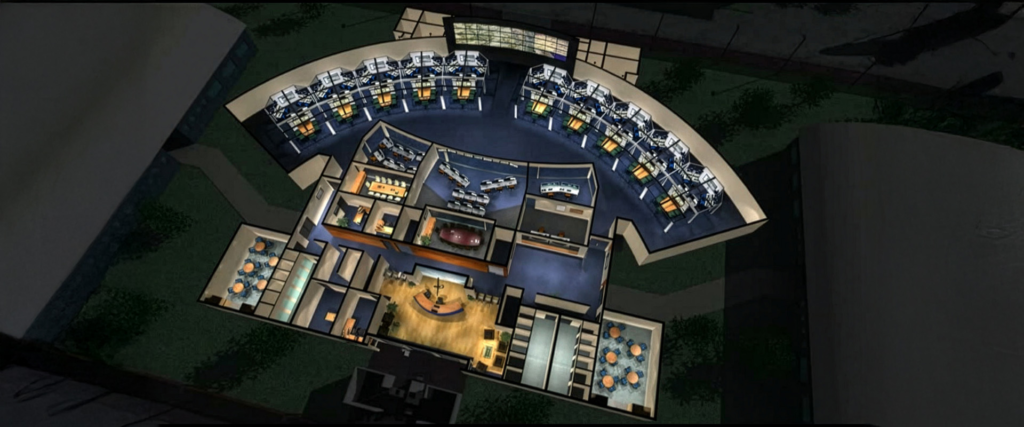
Mission platform overview for intelligent UAV mission lifecycle management system
Why mission platforms are critical for UAV operations
Without a mission platform, UAV operations remain fragmented and difficult to scale. Each drone must be controlled individually, increasing workload and risk.
By using a centralized mission platform, organizations can:
- Standardize UAV workflows across teams
- Reduce human error in flight operations
- Improve mission repeatability and accuracy
- Enable centralized control of multiple UAVs
This is especially important for industries that rely on large-scale data collection and repeated aerial missions.
Autonomous missions: transforming UAV execution models
The concept of autonomous missions represents a major shift in UAV operations. Instead of continuous manual control, drones are now capable of executing predefined missions independently while adapting to real-world conditions.
A mission platform plays a critical role in enabling this transformation by translating mission logic into automated flight behavior.
How autonomous missions work in UAV systems
An autonomous mission is not just a flight path-it is a structured, intelligent workflow executed by UAV systems.
The process typically includes:
1. Mission planning
Operators define objectives such as mapping an area, inspecting infrastructure, or monitoring environmental conditions.
2. Automated route generation
The mission platform calculates optimal flight paths based on terrain, obstacles, and operational constraints.
3. Payload configuration
UAVs are equipped with the appropriate sensors such as RGB cameras, thermal imaging systems, or LiDAR.
4. Autonomous execution
The UAV executes the mission without manual piloting, adjusting dynamically when conditions change.
5. Data collection and analysis
All collected data is transmitted back to the mission platform for processing and insight generation.
Real-world use cases of autonomous UAV missions
The adoption of autonomous missions is rapidly expanding across multiple industries:
- Agriculture: UAVs monitor crop health, irrigation levels, and pest activity automatically
- Infrastructure inspection: Bridges, pipelines, and power lines are surveyed without manual control
- Public safety: UAVs conduct automated patrols and detect anomalies in real time
- Logistics: Drones optimize delivery routes in controlled environments
In all these scenarios, the mission platform ensures operational consistency while enabling scalable UAV deployment.
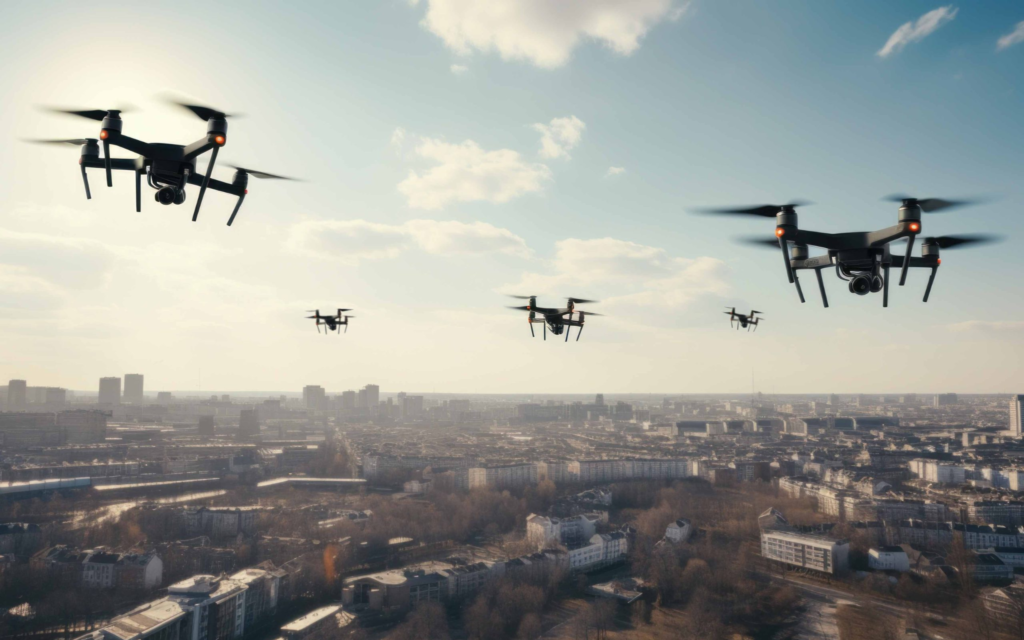
Overview of autonomous UAV missions in real-world applications
Benefits of autonomous missions in UAV ecosystems
The shift toward autonomous UAV operations brings several advantages:
- Higher operational efficiency through automation
- Reduced human error in mission execution
- Faster deployment of UAV fleets
- Improved data accuracy from standardized missions
These benefits make autonomous missions a core component of modern UAV strategies.
Mission operation software and the rise of multi-UAV ecosystems
As UAV adoption grows, organizations are moving beyond single-drone operations toward coordinated systems. This is where mission operation software becomes essential. It enables mission platforms to manage multiple UAVs simultaneously and execute complex autonomous missions at scale.
Mission operation software in UAV environments
Mission operation software is the digital system that connects planning, execution, and live control. It ensures that UAV operations remain synchronized, even when multiple drones are deployed at the same time.
In systems like SkyTrack, this software acts as the operational backbone of UAV fleets.
Key functions include:
- Real-time UAV tracking and telemetry monitoring
- Live mission adjustments during flight
- Multi-drone coordination and task distribution
- Centralized data management
- Integration with enterprise systems and APIs
This allows UAVs to function as part of a connected ecosystem rather than isolated units.
The rise of multi-drone UAV operations
With the support of mission platforms, UAV systems are evolving into multi-drone networks capable of executing large-scale missions.
In multi-drone operations:
- Multiple UAVs share a unified mission plan
- Tasks are distributed automatically across drones
- Flight paths are coordinated to avoid overlap
- Data is collected from multiple viewpoints simultaneously
This approach significantly improves coverage speed and operational efficiency.
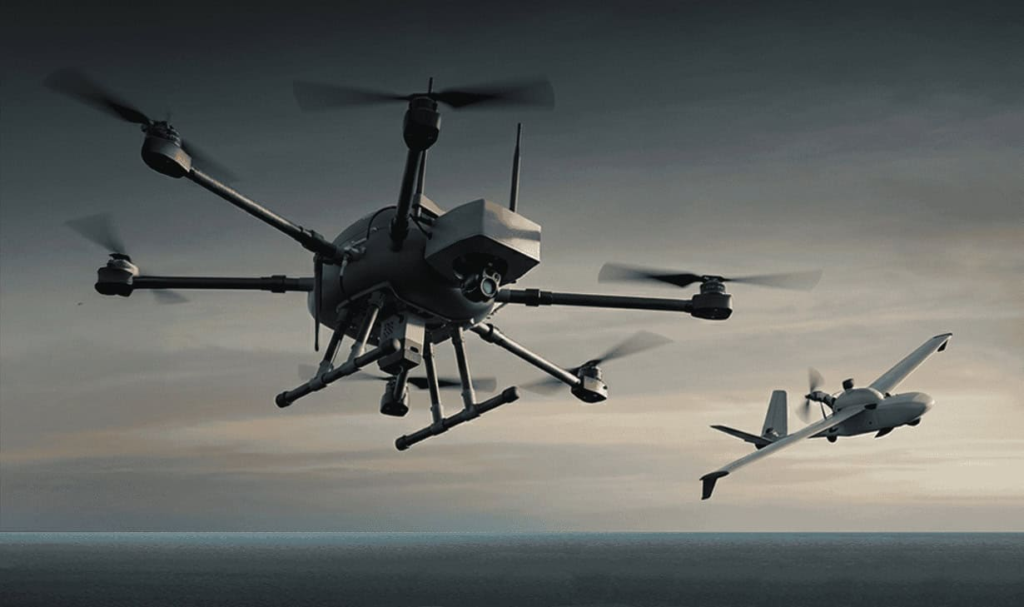
Overview of multi-drone UAV operations and coordinated mission systems
Advantages of scalable UAV mission platforms
The combination of mission operation software and mission platforms enables organizations to scale UAV operations effectively:
- Faster completion of large-area missions
- Increased resilience through distributed drone systems
- Better data quality from parallel UAV execution
- Lower operational downtime and risk
These advantages make scalable UAV ecosystems essential for industries requiring high-frequency aerial data collection.
UAV technology is evolving beyond hardware, driven by intelligent mission platforms and autonomous missions. Platforms like SkyTrack integrate mission operation software to unify planning and real-time control. This allows UAV fleets to operate as coordinated, intelligent systems instead of standalone units. As automation continues to develop, autonomous missions will become the standard for scalable and efficient UAV operations across industries.
