

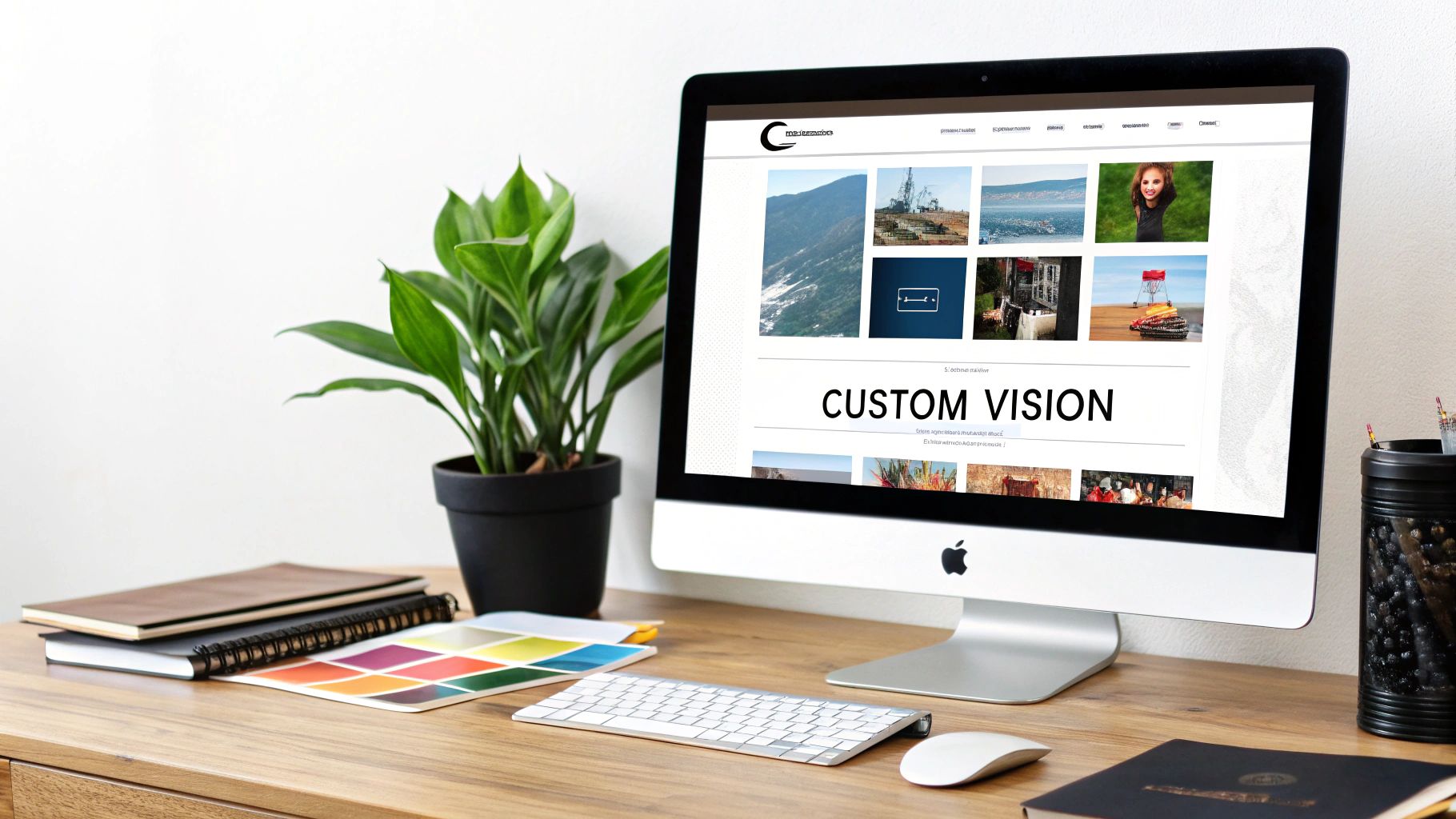
Getting your artwork noticed requires more than talent and a beautiful gallery page. Thoughtful presentation, technical choices, and ongoing promotion all influence whether collectors, curators, and fans find your work. This article outlines practical, artist-focused strategies that increase visibility, drive targeted traffic, and turn casual visitors into meaningful connections.
Make Your Website Work Harder
Your portfolio website is the hub of your online presence. Start by clarifying who you want to reach—collectors, galleries, interior designers, or editorial outlets—and write copy that addresses their needs. Use clear page titles and descriptive meta descriptions so search engines and human readers immediately understand what each page offers. Keep URLs simple and keyword-aware; instead of art-portfolio.html, use concise, descriptive slugs like /abstract-paintings-2026. If you want better search results specifically targeted to creative professionals, consider optimizing a key page around seo for artists to communicate to search engines that your content is relevant to people looking for art-related SEO guidance.
Page speed matters. Large, unoptimized images slow load times and frustrate visitors. Use modern image formats, compress files without losing visible quality, and implement lazy loading so images load as users scroll. Mobile-first design is essential; many buyers discover artists on phones or tablets, and a site that scales cleanly increases engagement and conversion.
Image and Content Strategies
Images are your main selling tool, but they need supporting text to be findable. Every image should include a meaningful filename and alt text that describes the work accurately and naturally. Alt text helps accessibility and provides search engines with context about subject, medium, color, and style. Captions are an underused space where you can add context, such as the inspiration behind a piece, dimensions, or the year it was created. These short narratives make images more searchable and more compelling to readers.
Create pages or posts that showcase process and context. A “making of” post that includes sketches, studio photos, and a short narrative can attract both enthusiasts and other creatives who link to your work. Longer-form content helps search engines understand your expertise and keeps visitors on your site longer, improving engagement metrics that indirectly boost visibility.
Organize your portfolio into clear categories and use filtering so visitors can narrow by theme, medium, size, or price. This improves user experience and helps search engines index specific collections. Consider adding a dedicated page for press and exhibitions; journalists and curators often search for an artist’s CV and past shows before contacting them.
Keywords, Metadata, and Structured Data
Keyword research doesn’t have to be technical. Think like your audience: what phrases would a collector or curator use to find work like yours? Include those natural phrases in page headings, captions, and metadata. Avoid keyword stuffing; instead, write descriptive, readable copy. Metadata should be unique for each page and reflect the artwork’s specifics.
Implement structured data where appropriate. Schema markup for images, products, and events can help search engines display richer results, such as artwork price or exhibition dates. For artists selling work directly, product schema can improve visibility in shopping experiences and improve the likelihood of rich snippets appearing in search results.
Social, Marketplaces, and Cross-Promotion
Social platforms remain vital discovery channels. Treat each platform differently: Instagram for visual storytelling and hashtags, LinkedIn for connecting with galleries and curators, and Pinterest for long-term discovery where pins can surface months after posting. When posting images externally, always link back to your website’s artwork page rather than a general homepage. That direct referral sends valuable traffic and signals to search engines about page relevance.
Selling on curated marketplaces and online galleries can expand reach, but don’t rely on them alone. Use your marketplace listings to link back to your main site and vice versa. Collaborations with designers, interior stylists, or other artists introduce your work to new audiences; featuring collaborative projects on your site and social channels amplifies reach.
Outreach, Press, and Community
Consistent outreach helps your work appear in unexpected places. Pitch local magazines, art blogs, and podcast hosts with a concise press kit that includes high-resolution images, artist statements, and exhibition history. Participate in group shows, open studios, and community events to build local awareness and earn backlinks from event pages and partner websites.
Develop relationships with bloggers, gallery owners, and curators by offering exclusive content or interviews. Backlinks from respected art sites are valuable for search authority and direct referral traffic. Engage with communities on forums and creative platforms by sharing process insights rather than direct promotion; authenticity builds trust and attracts attention.
Analyze, Iterate, and Maintain Momentum
Use analytics to see what’s working. Track which pages receive the most visitors, which images convert to inquiries, and which referral sources send engaged audiences. A page that attracts visitors but has a high bounce rate may need better images, clearer pricing, or a stronger call-to-action. Test small changes like alternative headlines, different featured images, or rearranged galleries to see what improves engagement.
Schedule regular updates. Fresh content signals that your site is active and worth revisiting. Regularly add new work, write short studio notes, or publish exhibition recaps. Keep your contact information and biography current so interested parties can reach you easily.
Improving discoverability is a marathon, not a sprint. By combining thoughtful site architecture, image-first content, consistent promotion, and strategic outreach, you build a presence that invites discovery and turns interest into opportunities. Small, sustainable habits—optimizing images, writing descriptive captions, maintaining fast page loads, and nurturing relationships—compound over time. With attention to both the artistic and technical sides of presentation, your portfolio will have a much better chance of finding the audiences it deserves.
