

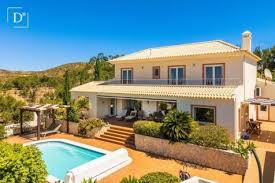
A short drive east of Tavira, along the edge of the Ria Formosa, sits a village that increasingly comes up in conversations with buyers who love Tavira but have found the centre’s prices, or its summer crowds, harder to justify. If you are looking at properties for sale in Tavira, you need to know that interest in Cabanas de Tavira has grown steadily as more buyers discover what the village offers on its own terms, rather than treating it purely as Tavira’s overflow.
A Different Pace Than Tavira
Cabanas de Tavira is smaller and quieter than Tavira, built along a single beachfront promenade facing the lagoon and barrier islands of the Ria Formosa. Water taxis run from the village out to the beach on the sandbar, a short crossing that keeps the beach itself relatively uncrowded even in August, since it isn’t accessible by car.
The village has a genuine, unhurried character. A handful of cafés and restaurants line the promenade, most of them locally run rather than part of larger chains, and the pace outside peak summer weeks is noticeably slower than central Tavira. For buyers who found Tavira’s popularity part of the draw but the crowds a downside, Cabanas offers a version of the same coastline with considerably more breathing room.
What the Property Market Looks Like
The property mix in and around Cabanas leans toward apartments and townhouses in the village itself, with villas becoming more common as you move slightly inland toward the surrounding countryside. Pricing generally sits below equivalent properties in central Tavira, though the gap has narrowed as more buyers have discovered the area over the past few years.
Properties directly on or near the promenade, with lagoon views, command a clear premium and tend to move quickly when they do come to market, since there’s a hard limit on how much beachfront frontage the village has. A short distance back from the water, pricing softens meaningfully while still keeping the village, and the water taxi to the beach, within easy walking distance.
Newer development in the surrounding area has been relatively limited compared with the more built-up parts of the Algarve, which has helped the village retain its low-key character, but it also means buyers looking for larger modern villas may need to look slightly further inland to find them.
What to Check Before Buying
A few things are worth confirming specifically for property in this area:
Access to the beach and water taxi schedule, since the beach itself isn’t reachable by car, this affects daily life more than buyers sometimes anticipate before actually visiting.
Rental potential and any local restrictions on short-term letting, since demand for holiday rentals in the village has grown alongside buyer interest, but local rules on licensing can vary and are worth confirming directly.
Flood and tidal considerations for anything close to the lagoon shoreline, given the property’s proximity to the Ria Formosa.
The condition of shared facilities in any apartment building, since older buildings along the promenade vary considerably in how well common areas have been maintained.
The Buying Process
As with anywhere in Portugal, foreign buyers face no restrictions on ownership. The standard sequence involves obtaining a Portuguese tax number, opening a local bank account, signing a promissory contract with a deposit once terms are agreed, completing due diligence through an independent lawyer, and finalising at the notary. Buyers should budget roughly 6 to 8% above the purchase price for transfer tax, stamp duty, and legal and notary fees.
Why It’s Worth a Look
Cabanas de Tavira won’t suit every buyer. It’s quieter than Tavira, smaller in scale, and offers less in the way of restaurants, shops, and evening activity. For buyers specifically looking for that quieter pace, though, alongside genuine lagoon access and a shorter list of neighbours competing for the same handful of beachfront properties, it’s increasingly worth a serious look rather than treating it as a fallback once Tavira itself feels out of reach.
