

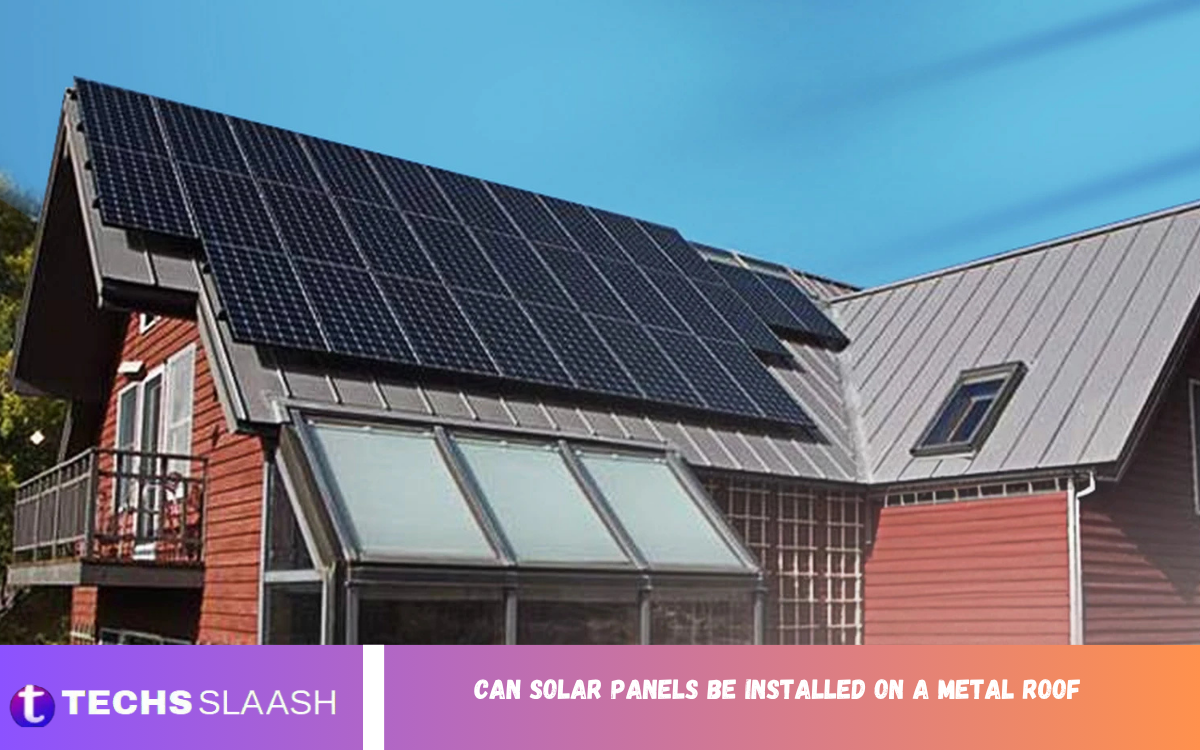
Yes, solar panels can be installed on a metal roof, and metal roofing is often an excellent foundation for a solar energy system. Standing seam, corrugated, ribbed, and other metal roof profiles can support solar installations when the correct mounting equipment and installation methods are used.
The key consideration is not simply whether the roof is made of metal, but what type of metal roof is installed and how strong and well-maintained it is. Standing seam roofs are particularly convenient because specialized clamps can attach to the seams without creating holes in the roofing material.
Why Metal Roofs Work Well With Solar Panels?
Metal roofs are durable and long-lasting, making them a strong match for solar panels. A quality metal roof can remain serviceable for several decades, while solar panels commonly have useful operating lives of around 25 years or more. This means homeowners may avoid replacing the roof while their solar system is still installed.
Another advantage is that many metal roof designs allow solar mounting systems to be installed without extensive roof penetration. When a compatible clamp system is used on a standing seam roof, installers can secure the racking directly to the seams, helping preserve the roof surface and reduce potential waterproofing concerns.
Standing Seam Metal Roofs
Standing seam metal roofs are among the easiest metal roofing systems for solar installation. Their raised seams provide convenient attachment points for specially designed clamps, allowing solar racking to be secured without drilling through the roofing panels.
This approach can simplify installation while reducing the number of penetrations through the roof. However, the clamp must be specifically compatible with the roof profile, seam design, and metal thickness, so professional assessment remains important before installation.
Corrugated and Ribbed Metal Roofs
Solar panels can also be installed on corrugated and ribbed metal roofs, although the mounting method is usually different from a standing seam installation. Specialized brackets and fasteners may be used to connect the solar racking to appropriate structural areas of the roof.
Because these systems may require roof penetrations, proper flashing, sealing, and fastening become especially important. The installer should understand both solar mounting requirements and the specific construction of the metal roofing system to minimize the risk of leaks or structural problems.
How Solar Panels Are Mounted on Metal Roofs
The mounting process begins with an inspection of the roof, including its age, condition, structural support, slope, orientation, and available installation area. The installer also evaluates shading and determines where panels can receive sufficient sunlight throughout the day.
For standing seam roofs, clamps are commonly attached directly to the seams and connected to rails or other racking components. On other metal roof profiles, brackets and appropriate fasteners may be required. The mounting design must account for panel weight, wind forces, roof construction, and electrical requirements.
Benefits of Installing Solar Panels on Metal Roofing
One of the biggest benefits is durability. Metal roofing is generally designed to withstand demanding weather conditions, and its long service life can complement the long operating life of a solar array. A durable roof provides a stable platform for the system over many years.
Metal roofing can also make certain solar installations more straightforward, particularly when standing seam clamps eliminate the need for roof penetrations. In addition, the space between the solar panels and roof surface can allow airflow around the panels, which can be beneficial because solar modules generally perform better when excessive heat is controlled.
Does Solar Installation Damage a Metal Roof?
Properly installed solar panels should not damage a metal roof simply because they are mounted above it. The greatest concern is using an inappropriate mounting system, damaging the roof coating, over-tightening fasteners, or creating poorly sealed penetrations.
Standing seam systems can reduce these concerns because compatible clamps can attach to the seams rather than requiring holes through the roof panels. For penetrative installations, however, careful sealing and flashing are essential to maintain weather resistance and protect the roof assembly.
Roof Condition Should Be Checked First
Before installing solar panels, homeowners should make sure the existing metal roof is in good condition. Rust, corrosion, loose fasteners, damaged panels, deteriorated coatings, or structural weaknesses should be addressed before the solar array is installed.
Installing panels on a roof that already needs major repairs can create unnecessary complications later. If the roof requires replacement soon, completing the roofing work before installing solar panels can be a more practical long-term strategy because removing and reinstalling a solar array adds labor and expense.
Solar Panel Orientation and Roof Slope
The fact that a roof is made of metal does not automatically guarantee good solar production. The roof’s orientation, pitch, available surface area, and exposure to sunlight are equally important when determining whether a solar system will perform effectively.
Trees, nearby buildings, chimneys, and other structures can create shade that reduces energy production. A professional solar assessment should examine the roof throughout the day and estimate the amount of sunlight available before deciding how many panels should be installed.
Read Also: AC vs. Cooler: Choosing the Right Cooling Solution
What About Metal Roof Warranties?
Homeowners should review their metal roof warranty before solar installation. Some roofing manufacturers specify approved attachment methods, fasteners, sealants, or installation requirements that must be followed to preserve warranty protection.
The solar contractor should also understand the roofing manufacturer’s requirements. Using a compatible mounting system and following approved installation practices can help avoid conflicts between the roofing warranty and the solar equipment warranty. When in doubt, homeowners should obtain confirmation from the roofing manufacturer before work begins.
Cost of Installing Solar Panels on a Metal Roof
The total cost depends on the size of the solar system, panel technology, inverter equipment, mounting hardware, labor, electrical work, roof characteristics, and local installation conditions. A metal roof does not automatically mean that solar installation will be expensive or inexpensive.
Standing seam roofs may offer installation advantages because clamp-based mounting can reduce certain labor and roofing-related requirements. Other metal roof types may require more specialized brackets, flashing, or structural attachment methods. A detailed quote should therefore account for the actual roof profile rather than assuming every metal roof has the same installation cost.
Maintenance After Installation
Solar panels on a metal roof generally require relatively little routine maintenance, but homeowners should still monitor the system. Dirt, leaves, dust, bird debris, and other buildup can reduce the amount of sunlight reaching the panels.
The roof and mounting hardware should also be inspected periodically for corrosion, loose components, damaged seals, or other issues. Maintenance requirements vary according to the local environment, roof design, and solar equipment. Keeping both the roofing and solar system in good condition can support long-term performance.
Is a Metal Roof Better Than Other Roof Types for Solar?
Metal roofing can be an excellent option for solar, particularly when the roof is durable and compatible with a non-penetrating mounting system. Its long service life is an important advantage because the roof can potentially remain in place for the entire useful life of the solar array.
However, the best roof for solar depends on the specific property. Roof condition, orientation, slope, shading, structural capacity, available space, and mounting compatibility all influence the final decision. A professionally designed system should consider the complete roof rather than focusing only on the roofing material.
Professional Installation Is Important
Solar installation on a metal roof should be performed by professionals who understand both photovoltaic systems and metal roofing. Incorrect attachment can cause leaks, roof damage, poor panel alignment, or structural problems.
A qualified installer can select the appropriate clamps, brackets, rails, fasteners, and sealing methods for the specific roof. They can also evaluate electrical connections, system layout, wind requirements, and local installation rules to create a safer and more reliable solar system.
Frequently Asked Questions
Can solar panels be installed on any metal roof?
Solar panels can be installed on many types of metal roofs, including standing seam, corrugated, and ribbed profiles. However, the mounting method depends on the specific roofing design, structural support, condition, and manufacturer’s requirements.
Are standing seam metal roofs good for solar panels?
Yes, standing seam metal roofs are particularly well suited to solar installations. Compatible clamps can attach to the raised seams, often allowing the solar mounting system to be installed without drilling through the roof surface.
Do solar panels damage metal roofs?
Proper installation should not normally damage a metal roof. Problems are more likely when incorrect mounting hardware, excessive force, unsuitable fasteners, or poor sealing techniques are used.
Do solar panels need to be drilled into a metal roof?
Not always. Standing seam metal roofs can often use clamp-based mounting systems that attach to the seams without penetrating the roofing panels. Other metal roof types may require appropriately sealed penetrations.
Can solar panels be installed on a corrugated metal roof?
Yes, corrugated metal roofs can support solar panels when an appropriate mounting system is selected. Specialized brackets and structural fasteners may be required, and penetrations must be properly sealed.
Will solar panels make a metal roof too hot?
Solar panels do not automatically make a metal roof dangerously hot. Panels are installed above the roof surface, and the gap between the modules and roof can provide airflow. Proper system design and ventilation can help manage heat.
Should an old metal roof be replaced before installing solar?
If a metal roof is severely damaged, corroded, or approaching the end of its expected service life, replacement may make sense before installing solar. Installing panels first can make future roof work more complicated and expensive.
How long can solar panels last on a metal roof?
Solar panels are generally designed for long-term operation, commonly around 25 years or more. A durable metal roof can potentially last longer than the solar array, making the two systems a practical long-term combination.
Does a metal roof need special solar mounting equipment?
The mounting equipment depends on the roof profile. Standing seam roofs commonly use seam clamps, while corrugated and ribbed roofs may require specialized brackets and structural fasteners.
Should a professional install solar panels on a metal roof?
Professional installation is strongly recommended. Metal roofing has specific attachment, waterproofing, structural, and warranty considerations, so an installer experienced with both solar systems and metal roofs can reduce installation risks.
Conclusion
The answer to “Can Solar Panels Be Installed on a Metal Roof” is clearly yes. Metal roofs can provide an excellent foundation for solar energy systems because they are durable, long-lasting, and compatible with several specialized mounting approaches.
Standing seam roofs are especially attractive because compatible clamps can often secure solar equipment without penetrating the roofing material.
