

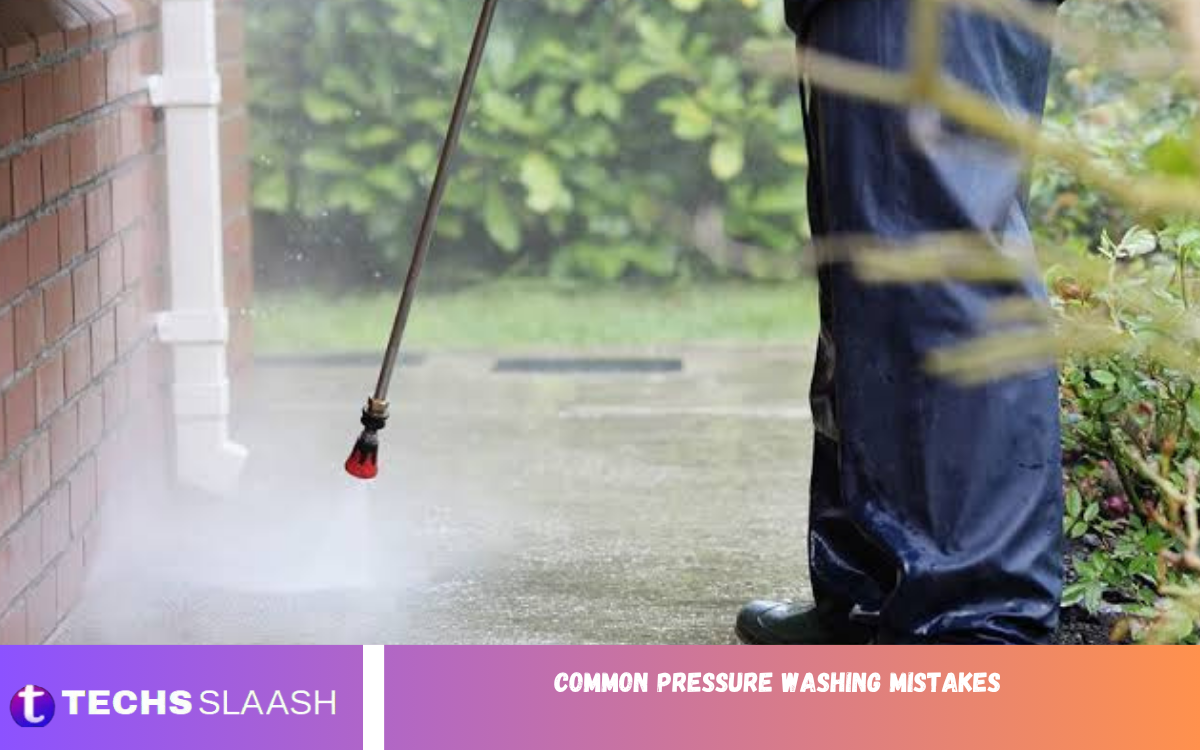
Pressure washing is one of the most effective ways to restore the appearance of driveways, decks, patios, siding, and other outdoor surfaces. When done correctly, it removes stubborn dirt, mold, mildew, algae, and grime, leaving your property looking fresh and well-maintained.
Washing mistakes that can lead to costly repairs, surface damage, or even personal injury. Using excessive water pressure, choosing the wrong nozzle, spraying too close to delicate surfaces, or ignoring proper cleaning techniques can cause paint to peel, wood to splinter, concrete to erode, and windows to crack.
Why Proper Pressure Washing Matters?
Pressure washers produce powerful streams of water capable of removing years of accumulated dirt. While this cleaning power is impressive, it can also become destructive when used incorrectly.
Proper pressure washing offers several benefits:
- Improves curb appeal
- Removes mold and mildew
- Prevents long-term surface deterioration
- Increases property value
- Extends the lifespan of exterior materials
- Creates a healthier outdoor environment
Improper techniques, however, can permanently damage wood, brick, vinyl siding, concrete, windows, paint, and landscaping.
Common Pressure Washing Mistakes
Using Too Much Water Pressure
One of the biggest mistakes people make is assuming higher pressure equals better cleaning.
In reality, excessive pressure can:
- Strip paint
- Damage wood fibers
- Crack siding
- Etch concrete
- Break windows
- Destroy roof shingles
Every surface has a recommended pressure range.
For example:
- Wood decks require lower PSI.
- Concrete can tolerate higher PSI.
- Vinyl siding requires moderate pressure.
- Roof shingles should be cleaned with soft washing instead of high pressure.
Always adjust pressure according to the material being cleaned.
Choosing the Wrong Nozzle
Pressure washer nozzles determine how concentrated the spray pattern is.
Using the wrong nozzle often causes unnecessary damage.
Common nozzle colors include:
- Red (0°): Extremely concentrated stream
- Yellow (15°): Heavy-duty cleaning
- Green (25°): General cleaning
- White (40°): Delicate surfaces
- Black (Soap nozzle): Applying detergent
Many beginners immediately grab the red nozzle because it appears more powerful.
Spraying Too Close to the Surface
Holding the spray wand only a few inches from the surface significantly increases water impact.
This can result in:
- Splintered wood
- Chipped paint
- Gouged concrete
- Torn window screens
- Broken trim
A safer approach is to begin several feet away and slowly move closer until the desired cleaning performance is achieved.
Maintaining consistent distance also produces more even cleaning results.
Ignoring the Surface Material
Different materials require different cleaning methods.
For example:
- Wood requires gentle pressure.
- Concrete withstands stronger pressure.
- Brick should be cleaned carefully to avoid mortar damage.
- Natural stone can become permanently scarred.
- Vinyl siding may allow water behind panels if sprayed incorrectly.
Before pressure washing, always identify the material and verify its recommended cleaning method.
Skipping Cleaning Detergents
Many people rely only on water.
Although high-pressure water removes loose dirt, it often cannot eliminate:
- Mold
- Algae
- Grease
- Oil stains
- Mildew
- Organic growth
Professional-grade detergents loosen contaminants before pressure washing.
This allows lower pressure while achieving better cleaning results.
Always use cleaning solutions designed specifically for pressure washers.
Using Household Chemicals
Another common pressure-washing mistake involves mixing homemade cleaning solutions.
Bleach, ammonia, vinegar, and other chemicals may react dangerously when combined.
Some mixtures produce toxic gases.
Others damage paint, plants, or nearby surfaces.
Always follow manufacturer recommendations and use approved cleaning products.
Pressure Washing Windows Directly
Glass appears strong but can easily crack under concentrated water pressure.
Pressure washing windows improperly may result in:
- Broken seals
- Cracked glass
- Water leaks
- Damaged window frames
Instead, use lower pressure, wider spray angles, and maintain a safe distance.
Avoid spraying directly at window edges.
Damaging Wood Surfaces
Wood decks and fences require extra care.
High pressure often causes:
- Splintering
- Raised grain
- Deep grooves
- Permanent scars
Pressure washing should follow the direction of the wood grain.
Even professionals avoid excessive pressure on cedar, pine, and treated lumber.
Read Also: Consulting Invoice Template Guide
Forgetting Safety Equipment
Pressure washers can cause serious injuries.
Water exiting the nozzle can penetrate skin.
Flying debris may injure eyes.
Essential safety equipment includes:
- Safety goggles
- Gloves
- Closed-toe shoes
- Hearing protection
- Long pants
Never underestimate the force generated by a pressure washer.
Washing Electrical Components
Outdoor electrical outlets, lighting fixtures, HVAC systems, and electrical panels should never receive direct high-pressure spray.
Water infiltration may cause:
- Electrical shorts
- Equipment failure
- Fire hazards
- Expensive repairs
Cover electrical components before cleaning.
Ignoring Weather Conditions
Pressure washing during poor weather creates unnecessary problems.
Wind spreads dirty water onto clean surfaces.
Hot sunlight causes detergent to dry too quickly.
Freezing temperatures create dangerous ice.
The ideal cleaning conditions are:
- Mild temperatures
- Light cloud cover
- Minimal wind
These conditions improve cleaning performance.
Cleaning Without Testing First
Many homeowners begin cleaning an entire surface without testing.
A small hidden area should always be cleaned first.
Testing allows you to check:
- Surface reaction
- Pressure level
- Detergent effectiveness
- Color fading
- Potential damage
This simple step prevents costly mistakes.
Using Incorrect Cleaning Angles
Spraying directly upward underneath siding or roofing materials allows water to enter behind the surface.
This trapped moisture may cause:
- Mold growth
- Rot
- Insulation damage
- Structural issues
Always spray downward or at a slight angle.
Neglecting Nearby Plants
Pressure washing chemicals can harm landscaping.
Strong detergents may burn:
- Flowers
- Shrubs
- Grass
- Vegetable gardens
Before cleaning:
- Water surrounding plants.
- Cover delicate landscaping.
- Rinse vegetation afterward.
These precautions reduce chemical exposure.
Moving Too Quickly
Many beginners rush through cleaning.
Fast sweeping motions leave streaks and uneven results.
Professional cleaners work methodically.
They overlap each pass to ensure consistent cleaning.
Patience produces better outcomes.
Not Maintaining the Pressure Washer
Equipment maintenance affects cleaning quality.
Poor maintenance leads to:
- Pressure loss
- Pump damage
- Hose leaks
- Engine problems
- Reduced lifespan
Routine maintenance includes:
- Checking hoses
- Inspecting nozzles
- Cleaning filters
- Replacing worn seals
- Using fresh fuel
- Proper storage
A well-maintained machine performs more efficiently.
Using Pressure Washing Instead of Soft Washing
Not every surface requires high pressure.
Soft washing uses low pressure combined with specialized cleaning solutions.
It is recommended for:
- Roofs
- Painted siding
- Stucco
- Screens
- Outdoor furniture
Soft washing removes biological growth while preventing damage.
Ignoring Manufacturer Guidelines
Every pressure washer includes operating instructions.
These recommendations specify:
- Maximum pressure
- Compatible detergents
- Safe operating procedures
- Maintenance schedules
Ignoring these instructions increases the risk of equipment failure and accidents.
Professional Tips for Better Pressure Washing
Professionals consistently achieve superior results by following proven practices.
These include:
- Start with the lowest effective pressure.
- Choose the correct nozzle.
- Keep a consistent spray distance.
- Apply detergent before rinsing.
- Clean from top to bottom.
- Overlap each spray pass.
- Test hidden areas first.
- Protect nearby plants and fixtures.
- Wear appropriate protective equipment.
- Perform regular equipment maintenance.
These techniques improve cleaning quality while minimizing the risk of damage.
When to Hire a Professional?
Although many pressure washing jobs are suitable for DIY homeowners, some projects require professional expertise.
Consider hiring a professional for:
- Multi-story homes
- Roof cleaning
- Historic buildings
- Delicate stone surfaces
- Large commercial properties
- Severe mold or algae removal
Professionals understand proper pressure settings, cleaning chemicals, safety procedures, and equipment operation.
Hiring an experienced contractor often prevents costly mistakes and produces longer-lasting results.
Frequently Asked Questions
Can pressure washing damage my home’s siding?
Yes. Using too much pressure or spraying at the wrong angle can crack vinyl siding, strip paint, or force water behind the panels, leading to mold growth and structural damage. Always use the recommended pressure settings for your siding material.
Is pressure washing safe for wood decks and fences?
Yes, but only when done correctly. Wood should be cleaned at lower pressure with a wider spray nozzle to prevent splintering, gouging, or raising the grain. Following the direction of the wood grain also helps achieve a smoother finish.
Should I use detergent when pressure washing?
Yes. Pressure washer detergents help loosen dirt, grease, mold, mildew, and algae, allowing you to clean more effectively with lower pressure. Always use cleaning solutions designed specifically for pressure washers.
6. Can pressure washing remove mold and algae?
Yes. Pressure washing combined with the appropriate cleaning solution can effectively remove mold, mildew, algae, and other organic growth. For long-lasting results, a soft washing method is often recommended for delicate surfaces.
Is pressure washing dangerous?
Pressure washing can be dangerous if proper safety precautions are not followed. High-pressure water can cause serious injuries, damage property, and create slip hazards. Wearing safety goggles, gloves, and closed-toe shoes is highly recommended.
How often should I pressure wash my home?
Most homes benefit from pressure washing once a year. However, properties in humid climates or areas with heavy pollen, mold, or dust may require cleaning every six to twelve months.
What’s the difference between pressure washing and soft washing?
Pressure washing uses high-pressure water to remove dirt and stains from durable surfaces like concrete and driveways. Soft washing uses low-pressure water combined with specialized cleaning solutions, making it ideal for roofs, painted siding, stucco, and other delicate surfaces.
When should I hire a professional pressure washing service?
You should hire a professional if you’re cleaning multi-story buildings, roofs, delicate materials, historic properties, or heavily stained surfaces. Professionals have the experience, equipment, and knowledge to clean safely while preventing costly damage.
Conclusion
Avoiding Common Pressure Washing Mistakes is essential for protecting your property while achieving outstanding cleaning results. Although pressure washers are highly effective tools, improper use can quickly lead to damaged surfaces, costly repairs, and unnecessary safety risks.
Whether you’re maintaining a residential property or managing commercial buildings, taking the time to understand best practices ensures professional-quality results.
