

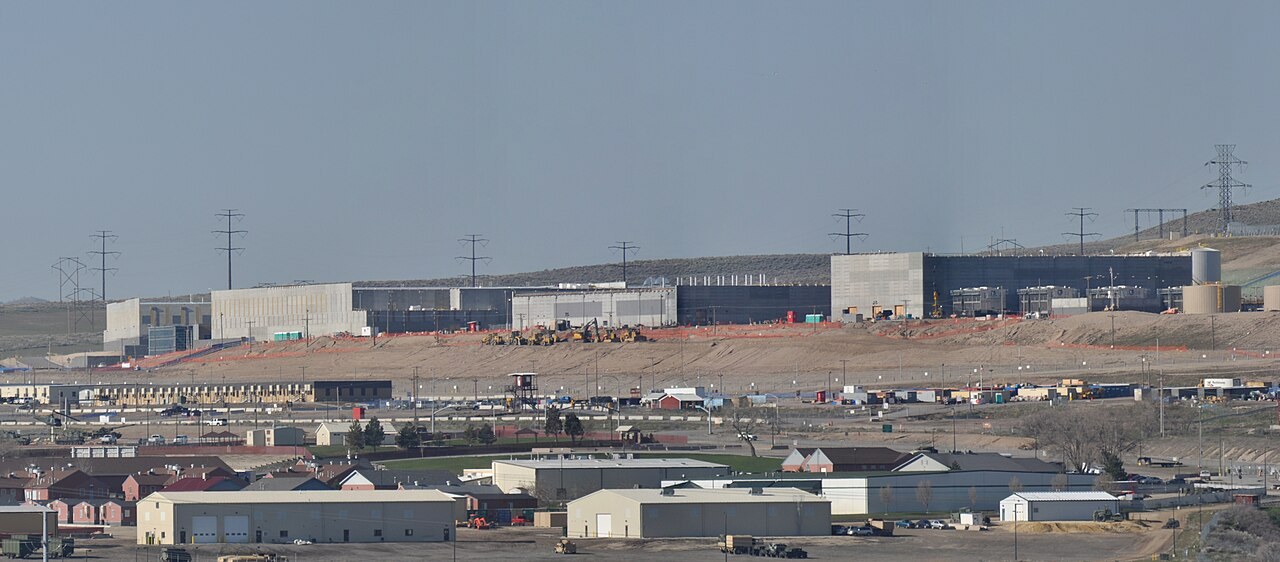
Every photo you back up, every message you send and every video you stream lives, physically, in a data centre: a warehouse-scale building full of servers that most people will never see and rarely think about. Yet these facilities have become the backbone of everyday life — and as AI services multiply, they are growing faster, larger and more power-hungry than at any point in their history. Understanding what happens inside them explains a surprising amount about how the modern internet actually works.
A data centre is, at its core, three things: computing, cooling and power. Rows of rack-mounted servers do the computing. Industrial cooling systems remove the heat those servers generate — in a large facility, comparable to the heating output of a small town. And layered power systems, from grid feeds to battery rooms to diesel generators, exist to guarantee the one promise the whole industry is built on: the servers do not stop. When a facility advertises “five nines” of uptime, it is promising less than six minutes of downtime a year.
Why everything you do passes through one
The cloud is a marketing word for other people’s computers, and those computers live in data centres. Your email sits on servers in one. Your photos are copied across several, in different buildings, so that no single fire or flood can erase them. When you ask an AI assistant a question, the model answering you runs on specialised chips in a data centre, which is why AI’s growth has translated so directly into construction cranes: every new generation of AI service needs new halls of hardware to run on. Coverage on Techsslaash regularly traces consumer features back to this layer, because this is where their real cost and capacity live.
The power problem
Electricity is now the industry’s defining constraint. A large data centre can draw as much power as a city of a hundred thousand people, and grid connections in popular regions have waiting lists measured in years. Operators have responded on several fronts at once: more efficient chips and cooling, including liquid cooling for dense AI hardware; siting new facilities where power — increasingly renewable power — is plentiful; and long-term energy contracts that underwrite new generation. Industry groups such as the Uptime Institute track how efficiency gains per unit of computing continue even as total consumption climbs.
Water is part of the same story. Many facilities use evaporative cooling, which trades water for electricity savings, and that trade-off has become a live local issue in dry regions hosting large campuses. Newer designs recycle water, use outside air when climates allow, or shift heat loads to liquid loops that need far less of it.
Security you cannot see
The other defining feature of a serious data centre is paranoia, practised professionally. Campuses are fenced, entrances are staffed around the clock, and access narrows in stages — badge, biometric check, mantrap — as you move toward the server halls. Inside, cameras watch every aisle, and hardware that leaves the building is destroyed or audited out under supervision. The logic is the mirror image of the clean room’s: the threat is not dust but people, and the protocols are designed so that no single person, visitor or employee, is ever alone with your data and an opportunity.
What changes next
Three trends will shape the next decade of these buildings. AI is making them denser and hotter per rack, pushing liquid cooling from exotic to standard. Geography is shifting as power availability, not proximity to users, decides where the biggest campuses rise. And the facilities themselves are becoming grid citizens — large, flexible loads that can support renewable energy by timing flexible work to when the wind blows and the sun shines.
None of this will make data centres visible in daily life, and that is rather the point. The best infrastructure is the kind you notice only when it fails. The next time a service you rely on simply works — instantly, from anywhere — it is worth remembering the humming halls, the cooling towers and the generator yards that made “simply works” possible. More technology explainers are in our technology section.
