

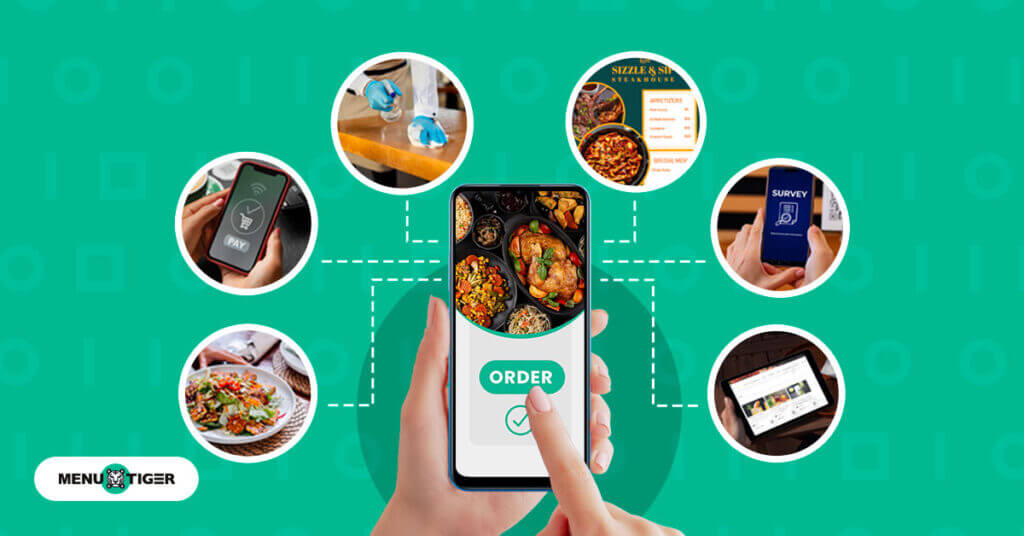
Restaurants today operate in a far more demanding environment than they did even a few years ago. Customers expect speed, clarity, and convenience. Owners face rising costs, staffing challenges, and constant pressure to maintain consistency. In this context, a digital menu app has moved from being a “nice-to-have” feature to a practical operational tool.
A digital menu app is not just a replacement for printed menus. When implemented properly, it becomes part of a restaurant’s daily workflow, helping teams work more efficiently while giving customers a smoother dining experience. This article explores how digital menu apps actually work, the features that matter most, the business benefits they deliver, and how restaurants use them in real-world settings.
What a Digital Menu App Really Is
A digital menu app allows restaurants to display their menu digitally on customer devices or in-house screens. Customers typically access the menu by scanning a QR code or through a web link, without needing to download a separate application. The menu opens instantly and shows items, prices, descriptions, and optional images.
From the restaurant’s perspective, the menu is managed through a centralized dashboard. Managers can update prices, add or remove items, highlight specials, or mark dishes as unavailable in real time. These changes are reflected immediately across all access points.
Core Features That Matter in a Digital Menu App
Not all digital menu apps are created equal. Some look impressive but add little operational value. The most effective solutions focus on features that solve real restaurant problems.
Key features that matter include real-time updates, allowing menus to stay accurate without reprinting. Mobile-optimized layouts ensure menus load quickly and display correctly on all devices. Clear categorization helps customers navigate menus easily, especially in restaurants with extensive offerings.
Language support is another valuable feature, particularly in tourist areas or diverse cities. Some digital menu apps also support images and allergen information, helping customers make informed choices without staff intervention.
Importantly, the best digital menu apps remain simple. Overloading menus with animations or heavy graphics often hurts performance and frustrates users.
How Digital Menu Apps Improve Restaurant Operations
Operational efficiency is one of the biggest advantages of using a digital menu app. Traditional menus create friction in subtle but constant ways. Staff distribute menus, explain unavailable items, correct pricing misunderstandings, and replace worn-out prints.
A digital menu app removes many of these issues. Customers can access the menu immediately after sitting down. Menu changes are communicated automatically. Staff no longer need to repeat the same explanations throughout the shift.
This leads to:
- Faster table turnover during peak hours
- Fewer interruptions for servers
- Reduced order errors caused by outdated menus
For restaurants with multiple branches, the operational benefits are even stronger. A single update can apply across all locations instantly, ensuring consistency and saving management time.
Cost Savings Beyond Printing
The most obvious cost saving from a digital menu app is reduced printing. Menus are rarely static. Prices change, items rotate, and branding evolves. Printing new menus repeatedly becomes an ongoing expense.
By switching to a digital menu app, restaurants eliminate these recurring costs. Over time, this alone can justify the investment. However, the savings extend further.
Fewer pricing disputes mean fewer refunds. Clear availability reduces wasted preparation. Staff spend less time on administrative tasks and more time on service. Even restaurants paying a subscription fee for a digital menu app often see a net financial benefit within months.
Enhancing the Customer Experience in Practical Ways
Customer experience is often discussed in abstract terms, but digital menu apps improve it in very concrete ways. Customers value speed, clarity, and control. A digital menu app delivers all three.
Guests can browse the menu at their own pace, zoom in on items, and read descriptions clearly. This is particularly useful in low-light environments or for customers who want time to decide. When images are used carefully, they help customers understand dishes and reduce hesitation.
Digital menu apps also reduce waiting. Customers do not need to wait for menus to be handed out or replaced. In busy restaurants, this small improvement significantly affects overall satisfaction.
Crucially, digital menus do not eliminate human interaction. Instead, they allow staff to focus on meaningful engagement rather than routine explanations.
Real-World Use Cases Across Restaurant Types
Different restaurant formats use digital menu apps in different ways.
Cafés and casual dining restaurants use them to manage daily specials and price updates without reprinting. Fine dining restaurants use digital menus to present tasting menus, wine lists, and allergen information cleanly and discreetly.
Food trucks and pop-up kitchens benefit from flexibility. Menus can change instantly based on availability or time of day. Hotel restaurants use digital menu apps to support multilingual guests and maintain consistency across services.
In each case, the digital menu app adapts to the operation rather than forcing the operation to adapt to the technology.
Implementation Considerations That Affect Results
The success of a digital menu app depends heavily on execution. Speed is critical. Menus must load quickly on average mobile connections. Complex designs or oversized images often do more harm than good.
Menu structure should be logical and intuitive. Categories should be clear, descriptions concise, and pricing transparent. QR codes or access points should be visible and easy to use.
Staff training also matters. Servers should be comfortable assisting guests who are unfamiliar with digital menus, ensuring no customer feels excluded.
Why Digital Menu Apps Are a Long-Term Solution
Customer expectations have permanently shifted. Speed, transparency, and flexibility are no longer optional. Restaurants that rely solely on traditional menus often struggle to keep up with frequent changes and rising costs.
A digital menu app provides long-term value because it supports efficiency, consistency, and adaptability. It allows restaurants to respond quickly to change without increasing workload.
Final Thoughts
A digital menu app is not about replacing hospitality with technology. It is about supporting hospitality with better systems. When chosen carefully and implemented thoughtfully, it improves operations, reduces recurring costs, and enhances the dining experience for customers and staff alike.
For restaurants looking to operate smarter without sacrificing quality, investing in a professional digital menu app is a practical business decision rather than a trend-driven experiment.
