

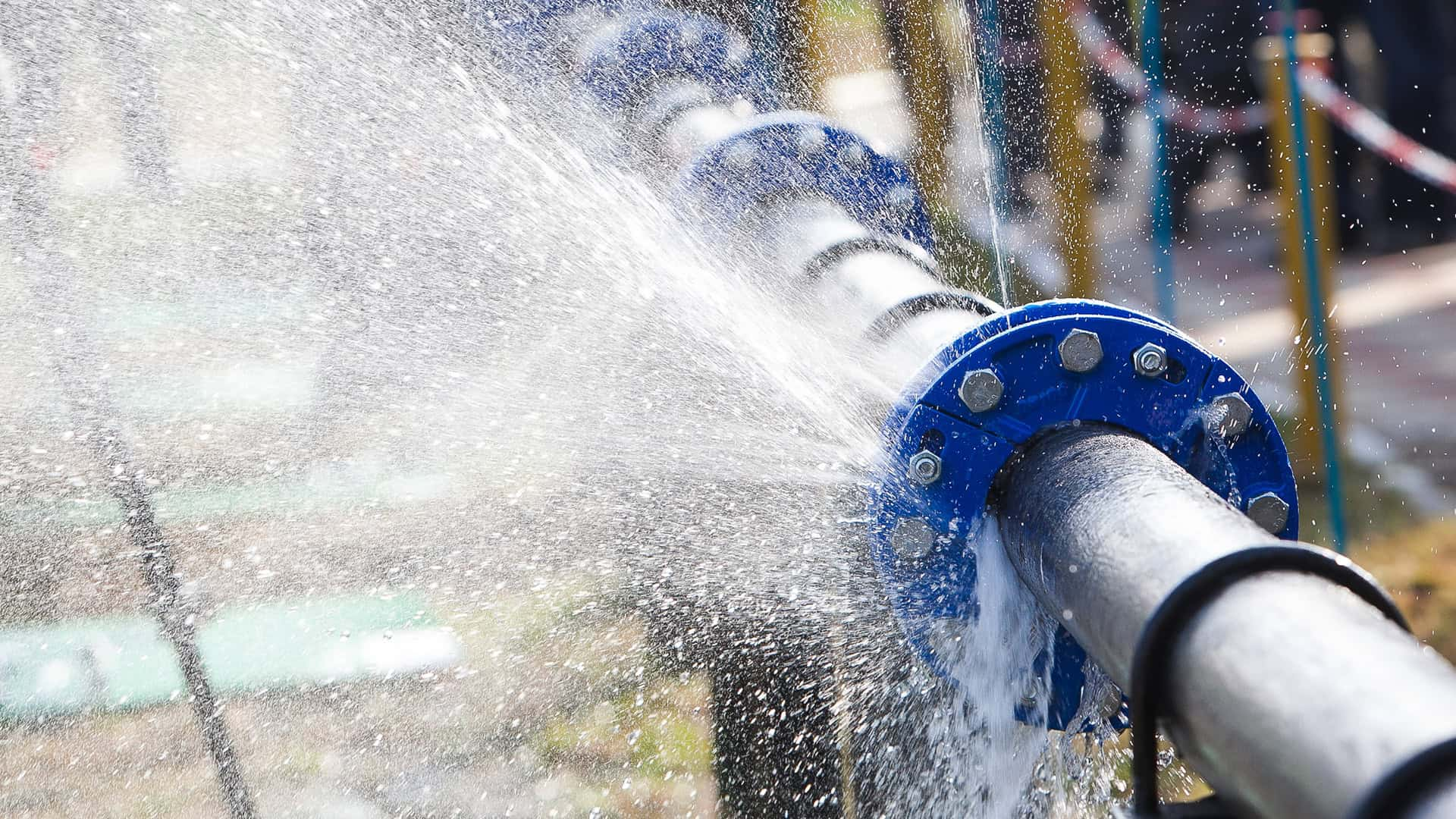
“You can’t reduce water loss if you don’t know where it’s happening.” For many water utilities, that’s one of the biggest challenges in managing large and complex distribution networks.
That’s why district metered area water distribution systems have become a key part of modern water management. By dividing networks into smaller, measurable sections, utilities gain greater visibility, respond faster to issues, and improve overall efficiency.
What Are District Metered Area Water Distribution Systems?
District metered area water distribution systems divide a water network into smaller, controlled zones known as District Metered Areas (DMAs). Each area is monitored individually, making it easier to measure water flow and identify unusual network behaviour.
Instead of analysing the entire network at once, utilities can focus on specific areas where attention is needed most.
Why Sectorising the Network Makes a Difference
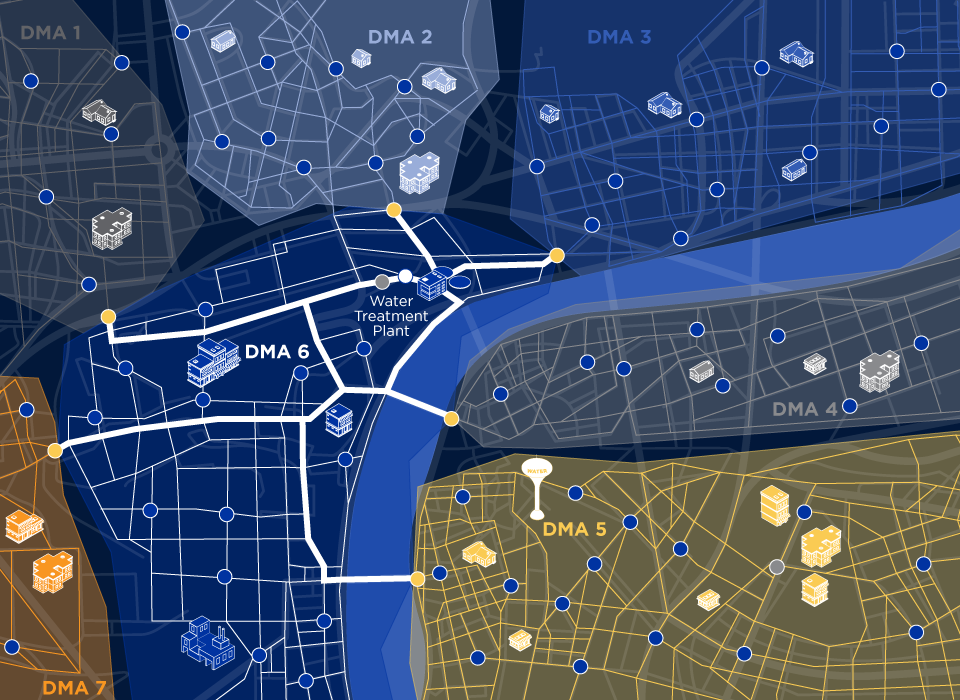
Managing a large distribution network as one system can make faults difficult to identify. Smaller, monitored sectors provide a much clearer picture of network performance.
This approach helps utilities:
- Detect leaks sooner
- Monitor water demand more accurately
- Reduce unnecessary water loss
- Improve operational planning
- Prioritise maintenance activities
Better visibility leads to faster decisions and more targeted action.
Supporting Proactive Leakage Management
One of the biggest advantages of district metered area water distribution systems is the ability to detect changes before they become major problems.
Monitoring flow and pressure within each DMA helps identify abnormal patterns that may indicate hidden leaks or developing network issues. This allows maintenance teams to investigate earlier and reduce the risk of costly failures.
Improving Operational Efficiency
DMAs don’t just help reduce leakage—they also improve day-to-day network management.
With clearer network data, utilities can optimise pressure, allocate resources more effectively, and plan maintenance based on actual network performance rather than reactive repairs.
Technology Driving Smarter Water Networks
Modern DMA strategies combine engineering expertise with digital technologies to provide greater operational insight.
Common tools include:
- Flow monitoring
- Pressure monitoring
- Hydraulic modelling
- Data analytics
- GIS mapping
- Continuous network monitoring
Together, these technologies help utilities make faster, more informed decisions while improving network performance.
Building More Resilient Water Networks
As infrastructure ages and demand continues to grow, proactive network management is becoming increasingly important.
By implementing district metered area water distribution systems, utilities can strengthen network resilience, reduce operational costs, improve customer service, and make better use of valuable water resources.
Conclusion
District metered area water distribution systems provide utilities with the visibility needed to manage water networks more efficiently. By combining sectorisation with proactive monitoring and data-driven decision-making, utilities can reduce water loss, improve operational performance, and build more resilient networks.
To learn more about DMA sectorisation and its role in smarter water network management, visit: https://www.crowderconsult.com/dma-sectorisation
