

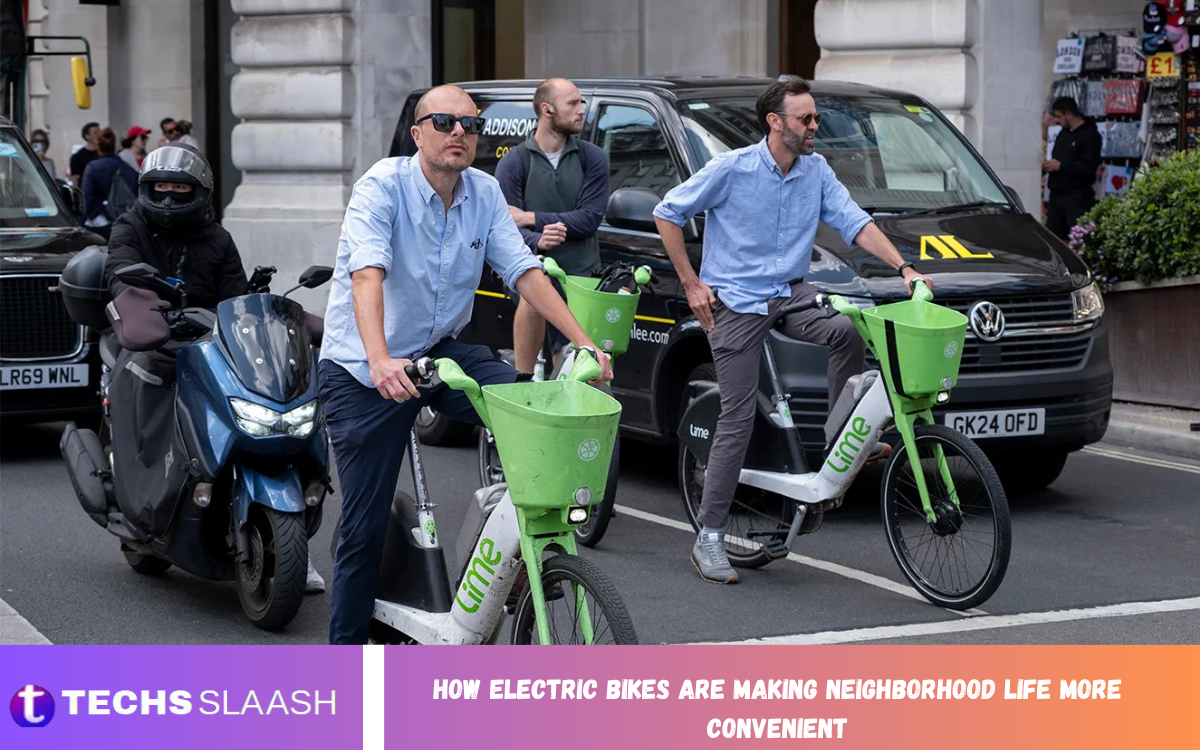
Electric Bikes Are Making Neighborhood Life More Convenient by changing how people travel through their local communities. With electric assistance, riders can cover short distances comfortably without depending entirely on cars, public transportation, or traditional bicycles.
From quick grocery trips to commuting, school runs, visiting friends, and exploring nearby streets, electric bikes offer a practical transportation option. Their compact design, low operating costs, and easy handling make everyday neighborhood travel simpler and more flexible.
Easier Short-Distance Travel
Many daily journeys are too short to justify starting a car, yet walking can sometimes take too much time. Electric bikes fill this gap by providing quick transportation for neighborhood trips.
The electric motor provides assistance when riders pedal, making hills, longer streets, and heavier loads easier to manage. This convenience encourages people to use their bikes for ordinary activities that might otherwise require a vehicle.
Faster Grocery and Shopping Trips
Electric bikes can make local shopping more convenient, especially when stores, pharmacies, markets, and small businesses are located within a few miles of home. Riders can often reach these destinations without dealing with traffic or searching for parking.
With a suitable basket, rack, or pannier, an electric bike can also carry everyday purchases. This makes it practical for collecting groceries, picking up household supplies, or making several small errands during one neighborhood trip.
Convenient Daily Commuting
For people who work relatively close to home, electric bikes can provide an efficient alternative to driving. Riders can avoid many traffic delays while enjoying a consistent and predictable journey.
Electric assistance is particularly useful for commuters who do not want to arrive at work exhausted or overly sweaty. It provides many of the benefits of cycling while reducing the physical effort required during challenging parts of the route.
Better Access to Local Businesses
Electric bikes can help residents interact more easily with businesses located throughout their neighborhoods. Cafes, restaurants, salons, repair shops, bookstores, and other local services become easier to reach without relying on a car.
This increased accessibility can also benefit small businesses. When people can quickly ride to nearby commercial areas, they may be more likely to shop locally, visit independent stores, and support businesses within their community.
Reduced Dependence on Cars
Cars remain useful for long journeys and transporting large items, but they are not always necessary for short neighborhood trips. Electric bikes provide another option for residents who want greater transportation flexibility.
Replacing some short car journeys with electric bike trips can reduce fuel consumption and vehicle use. It may also reduce the stress associated with parking, traffic congestion, and repeated trips to nearby destinations.
Affordable Everyday Transportation
Transportation costs can add up through fuel, maintenance, insurance, parking, and other vehicle-related expenses. Electric bikes generally require less ongoing spending than owning and operating a car for short trips.
Although the initial purchase price varies by model, an electric bike can become a cost-effective transportation tool over time. Charging the battery is usually considerably cheaper than fueling a car for frequent neighborhood journeys.
Improved Mobility for More People
Traditional cycling can be challenging for some people because of hills, distance, age, fitness levels, or physical limitations. Electric assistance can make cycling more approachable by reducing the effort needed to maintain movement.
This does not mean every electric bike is suitable for every rider, but the technology can expand transportation choices. People who previously avoided bicycles may feel more comfortable using an electric bike for manageable local journeys.
A Practical Alternative for Families
Families often make several short trips throughout the day, including school drop-offs, shopping, appointments, and recreational activities. Electric bikes can make some of these journeys easier when equipped with appropriate child-carrying or cargo accessories.
Cargo electric bikes are especially useful for carrying groceries, bags, equipment, or younger passengers. With responsible riding and appropriate safety equipment, they can become a practical part of a family’s local transportation routine.
Supporting Cleaner Neighborhoods
Electric bikes produce no tailpipe emissions while being ridden, making them a cleaner option than gasoline-powered vehicles for local travel. When residents replace some car journeys with electric-bike trips, communities can reduce transportation-related emissions.
Cleaner transportation can contribute to a more pleasant neighborhood environment. Fewer short vehicle trips can mean less exhaust, less traffic activity, and potentially quieter streets around homes, parks, and local shopping areas.
Less Traffic and Parking Pressure
Neighborhood congestion is not limited to major highways. Busy local streets can become crowded when many residents use cars for short journeys. Electric bikes require considerably less road and parking space than most automobiles.
Because electric bikes are compact, riders can often park them in designated bike parking areas or secure spaces. This can reduce the pressure placed on limited parking near shops, community facilities, and residential areas.
Making Neighborhoods More Connected
Electric Bikes Are Making Neighborhood Life More Convenient because they encourage people to experience their communities at a more local level. Riders can travel beyond their immediate street while remaining close enough to notice businesses, parks, public spaces, and community activities.
This type of mobility can make neighborhoods feel more connected. Instead of viewing nearby destinations as separate places that require a car journey, residents may begin to see them as easily accessible parts of the same community.
Read Also: How Much Do Car Accident Lawyers Charge in New York
Encouraging Active Lifestyles
Electric bikes still require pedaling on many models, allowing riders to remain physically active while receiving motor assistance. The level of effort can often be adjusted according to the rider’s needs and route.
This makes electric cycling appealing to people who want movement without committing to the intensity of traditional cycling. Regular short rides can become an enjoyable way to incorporate activity into everyday transportation.
Convenient Technology and Features
Modern electric bikes often include features designed around everyday convenience. Depending on the model, riders may find integrated lights, digital displays, multiple levels of assistance, rechargeable batteries, racks, fenders, and other practical features.
These features can make routine travel easier in different weather and road conditions. However, riders should choose equipment based on their actual needs rather than paying for features they are unlikely to use.
Safer and More Responsible Riding
Convenience should always be combined with responsible riding. Electric bikes can reach higher speeds than many traditional bicycles, so riders should understand local traffic laws and operate their bikes carefully.
Using a properly fitted helmet, visible clothing when appropriate, functioning lights, and reliable brakes can improve safety. Riders should also remain alert around pedestrians, vehicles, intersections, and other cyclists.
Improving Neighborhood Quality of Life
Electric bikes can contribute to a more flexible and convenient lifestyle by making ordinary trips easier. Residents can travel locally without always starting a car, waiting for transportation, or planning around parking availability.
When many people have practical alternatives to short car trips, the overall character of a neighborhood can change. More local movement, fewer unnecessary vehicle journeys, and stronger connections with nearby businesses can support a more convenient community.
Choosing the Right Electric Bike
Choosing an electric bike should begin with the rider’s daily requirements. Important factors include battery range, motor assistance, frame design, carrying capacity, comfort, charging needs, maintenance, and the types of roads commonly used.
A commuter may prioritize comfort and range, while a shopper may need cargo space and a sturdy rack. Taking time to compare these requirements can help buyers select an electric bike that genuinely improves their daily routine.
The Future of Neighborhood Transportation
Electric bikes are becoming an important part of the broader shift toward flexible and sustainable transportation. As technology improves, batteries, motors, safety systems, and practical designs are likely to continue evolving.
Neighborhoods may increasingly accommodate multiple forms of transportation, including walking, cycling, electric bikes, public transit, and cars. This variety can give residents more choices in matching transportation to their journeys, rather than using the same vehicle for every trip.
Frequently Asked Questions
What makes electric bikes convenient for neighborhoods?
Electric bikes provide quick transportation for short and medium-distance trips. They can help residents avoid traffic, reduce parking concerns, and travel locally with less physical effort than traditional bicycles.
Are electric bikes good for grocery shopping?
Yes, many electric bikes can be equipped with baskets, racks, panniers, or cargo accessories. These additions make them useful for carrying groceries and other everyday purchases.
Can electric bikes replace cars for short trips?
For many short journeys, they can provide a practical alternative to cars. However, their suitability depends on distance, weather, road conditions, cargo requirements, and local transportation rules.
Are electric bikes expensive to operate?
Electric bikes generally have lower operating costs than cars. Electricity for charging is usually inexpensive, while routine maintenance requirements are typically simpler than those associated with automobiles.
Do electric bikes require physical effort?
Most pedal-assist electric bikes require the rider to pedal. The motor provides assistance, reducing the effort needed to accelerate, climb hills, or travel longer distances.
Are electric bikes useful for commuting?
Yes, electric bikes can be especially useful for local commuting. Motor assistance can make regular journeys more manageable while helping riders avoid many traffic and parking problems.
How far can an electric bike travel?
Range depends on factors such as battery capacity, rider weight, terrain, speed, temperature, tire pressure, and assistance level. Riders should check the manufacturer’s range information before purchasing.
Are electric bikes environmentally friendly?
Electric bikes have no tailpipe emissions during operation. Using them instead of cars for suitable short trips can help reduce fuel consumption and transportation-related emissions.
What safety equipment should electric bike riders use?
Riders should consider a properly fitted helmet, reliable lights, reflective or visible clothing when appropriate, and other equipment suited to their riding environment. Following local traffic laws is also important.
Will electric bikes become more common in neighborhoods?
Electric bike adoption may continue growing as people look for convenient, affordable, and flexible transportation options. Better infrastructure and secure bike parking could further encourage neighborhood use.
Conclusion
Electric Bikes Are Making Neighborhood Life More Convenient by providing residents with a flexible alternative for everyday transportation. They can simplify shopping, commuting, errands, recreation, and visits to nearby destinations while reducing dependence on cars for short journeys.
As communities continue looking for practical transportation solutions, electric bikes offer a valuable combination of convenience, affordability, mobility, and sustainability.
