

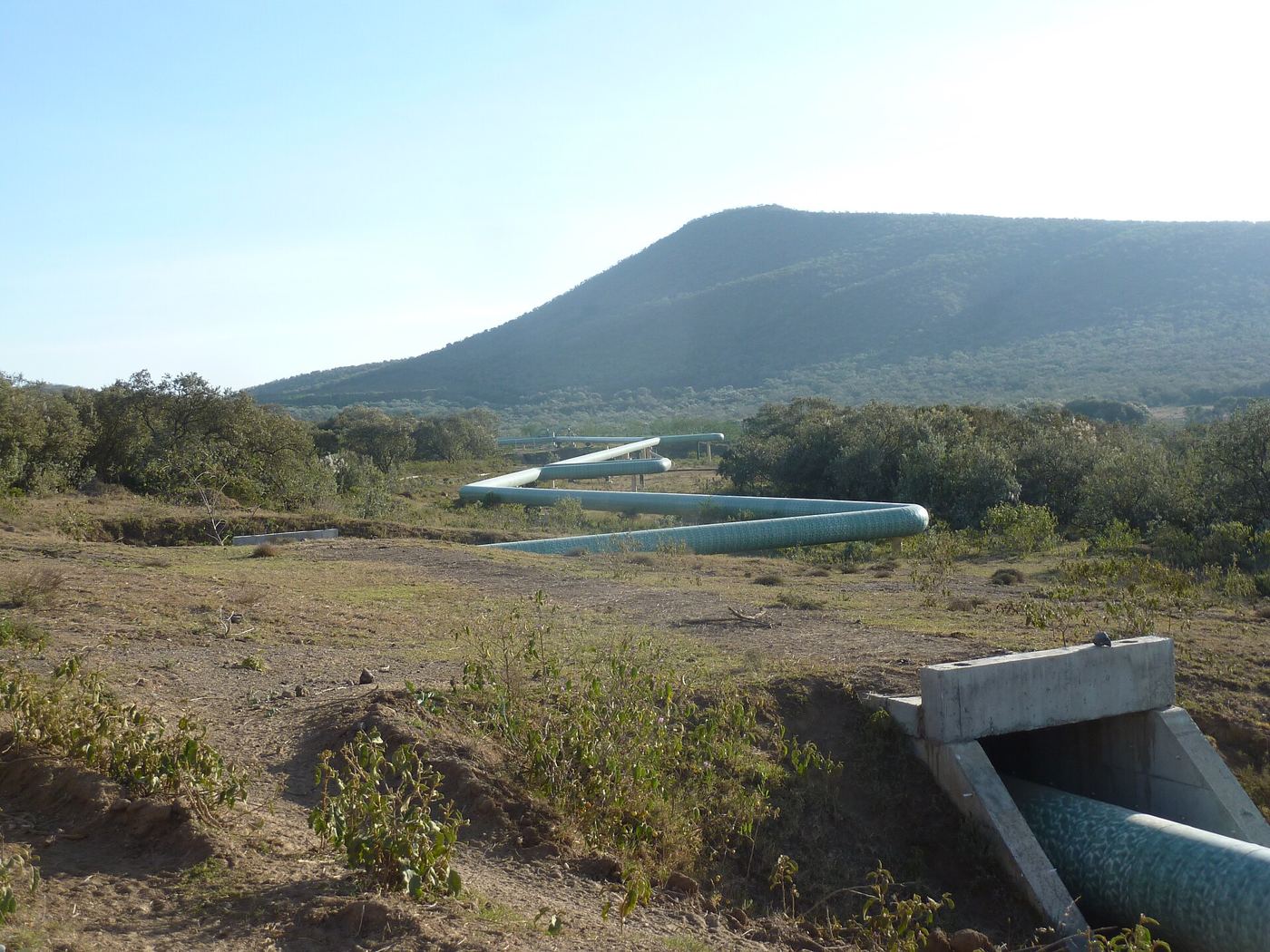
Geothermal power used to depend on luck: a power station could only be built where hot water already sat close to the surface. Enhanced geothermal systems throw that luck away. Fervo Energy drills into hot, dry rock, turns the well horizontal, and fractures the rock the way a shale crew would, then circulates water through the cracks to bring the heat up. At its Cape Station site in Beaver County, Utah, Fervo’s Sugarloaf well reached 15,765 feet in just 16 days, 79 percent faster than the US Department of Energy’s baseline for ultra-deep wells, with a projected bottom temperature of 520 degrees Fahrenheit. In September 2026 the first 33-megawatt block began commercial operations, supplying power to Shell Energy, and the site is planned to reach 100 megawatts in its first phase and 500 megawatts at full build. Independent consultants say the area could support more than 5 gigawatts.
What the Evidence Shows
The prize is power that never stops. Unlike solar and wind, a geothermal plant runs day and night, in any weather, which is the quality utilities find hardest to buy from renewables alone. The industry is also borrowing its workforce from oil and gas: Fervo says more than 90 percent of the labour hours at Cape Station have been logged by oilfield workers, using drilling skills the petroleum industry spent a century refining. The hurdles are real. Drilling deep into hard granite is expensive, the wells need large volumes of water, and fracturing rock underground carries the same worries about small earthquakes that shale gas raised, so projects need careful monitoring and honest reporting. If the costs keep falling as drilling speeds improve, enhanced geothermal could supply steady clean power in places with no volcanoes and no hot springs, which is most of the world. Reporting and analysis from sources such as Wired track the same developments, and specialists following enhanced geothermal energy say the direction is now consistent across independent lines of evidence.
The Wider Context
The wider context is an industry learning to ship capability and restraint together. Products built around enhanced geothermal energy now launch with safety evaluations, usage data and rollback plans as standard, because enterprise buyers and regulators ask for them in the first meeting. Companies that treated those questions as friction are discovering they have become the purchase criteria.
What Happens Next
What happens next for enhanced geothermal energy depends less on another breakthrough than on the unglamorous work of reliability, pricing and support. The buyers evaluating it now are not enthusiasts; they are operators with budgets and auditors, and their checklists will decide the timeline. On the evidence of the current pilots, the technology has earned the right to be judged by them. You can follow related developments in our coverage of technology.
None of this will be settled by a single announcement, study or product launch. The pattern to watch is accumulation: independent confirmations, honest reporting of failures and steady improvement in the underlying numbers. Readers who follow those signals, rather than the loudest claim of the week, will understand this subject better than most of the commentary surrounding it suggests is possible.
