

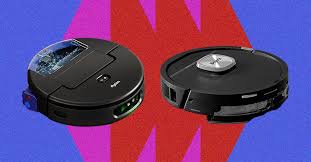
The robot vacuum market has become a useful example of how consumer technology categories can quickly become too complex for traditional shopping experiences. A decade ago, most buyers compared robot vacuums by price, battery life, and whether the device could return to its charging dock. Today, the category includes LiDAR navigation, RGB camera obstacle recognition, AI-powered object avoidance, self-emptying docks, hot-water mop washing, automatic mop drying, carpet detection, edge cleaning, multi-floor mapping, and app-based cleaning automation.
For consumers, this creates a technical information problem. More features do not automatically make comparison easier. In fact, the more advanced the products become, the harder it is for buyers to understand what actually matters. This is where structured product intelligence and AI-assisted comparison tools can add real value.
Best Robot Vacuum is an example of a product discovery platform built around this shift. Instead of treating robot vacuums as simple catalog items, the site organizes them as structured data: brand, series, suction power, mop type, navigation system, dock automation, obstacle avoidance, carpet behavior, and other specifications. This structure gives users a clearer way to compare machines that may look similar but behave very differently in real homes.
From a technical perspective, the value is not just in collecting product data. The important part is turning that data into decision logic. A robot vacuum with 30,000Pa suction may appear better than one with 18,000Pa suction, but suction alone does not determine cleaning quality. Brush design, airflow, carpet detection, mop-lifting behavior, water control, and route planning all influence the final experience. A technical comparison system needs to connect these variables instead of presenting them as isolated numbers.
This is especially important because modern robot vacuums are becoming integrated automation systems. A high-end model is no longer just a mobile vacuum cleaner. It is a combination of sensors, mapping software, cleaning hardware, water management, docking infrastructure, and mobile app controls. The dock itself may wash mop pads, dry them with warm air, refill water, collect dust, and reduce maintenance for weeks. Comparing two premium robots therefore requires comparing both the robot and the base station as a single system.
AI can improve this process by helping users move from vague needs to relevant product criteria. Many shoppers do not start with technical specifications. They start with questions like: “What should I buy for pet hair?” “Which model is better for carpet?” “Do I need hot-water mopping?” or “Is a roller mop better than spinning pads?” A conventional search filter can only respond if the user already knows which filters to select. An AI-guided experience can interpret the user’s situation and suggest the product characteristics that matter most.
This is the role of Navi, the AI assistant on Best Robot Vacuum. By allowing users to describe their home, flooring, pets, budget, and cleaning expectations in plain language, AI can help translate human intent into product comparison logic. That is a meaningful technical upgrade over static category pages because it reduces the gap between consumer language and product specifications.
The broader lesson for technology platforms is clear: product discovery is moving from keyword search toward intent-based guidance. Traditional e-commerce pages are optimized for transactions, but not always for understanding. In complex categories like robot vacuums, laptops, EV chargers, smart home devices, and cameras, consumers need decision support before they are ready to buy.
Structured data makes that support possible. AI makes it easier to access. Together, they can transform a product directory into a practical decision engine. For robot vacuums, this means helping buyers understand not only which model is popular, but why one model may fit a pet-heavy carpeted home while another is better for hard floors and daily mopping.
As home robotics continues to evolve, the challenge will not only be building smarter machines. It will also be building smarter comparison systems around them. Consumers need tools that can explain technical tradeoffs, highlight relevant alternatives, and reduce the confusion caused by rapidly expanding product lineups. AI-powered product intelligence is one of the most promising ways to make that happen.
