

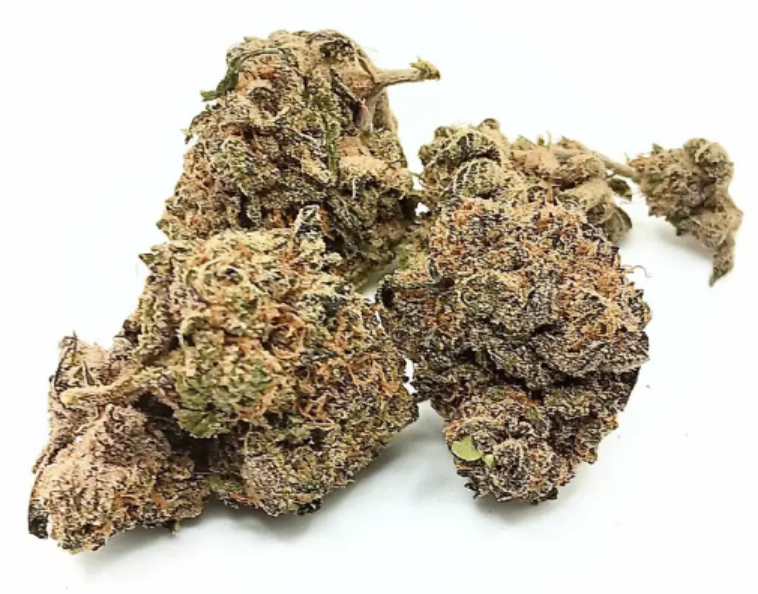
Cannabis flower can vary widely in appearance, aroma, flavour and overall characteristics. Even within the same broad category, individual varieties can look and smell completely different. Much of this diversity comes from cannabis genetics and the breeding processes used to develop new cultivars.
Breeding allows growers and cultivators to combine characteristics from different plants and develop new genetic lines. Over generations, selective breeding can influence traits such as plant structure, flowering characteristics, aroma and cannabinoid profiles.
For shoppers, understanding the basics of cannabis breeding provides useful context when comparing flower products. A strain name alone does not explain everything about a product. Genetics, terpene composition and cultivation can all contribute to the final flower profile.
The Role of Cannabis Genetics
Genetics provide the foundation for many of the characteristics found in cannabis plants. Just as different varieties of fruits, vegetables and flowers can have distinct inherited traits, cannabis cultivars can also develop different physical and chemical characteristics based on their genetic background.
Breeders work with existing genetic lines to select plants that display particular characteristics. Those plants can then be crossed with other varieties to create offspring with combinations of inherited traits.
Over multiple generations, this process can produce increasingly distinctive genetic lines. Some varieties may develop notable aromatic characteristics, while others may be selected for particular plant structures, flowering patterns or cannabinoid profiles.
Genetics do not operate in isolation. Growing conditions and post-harvest handling can also influence how a plant’s characteristics are expressed. Two plants with similar genetics can therefore show some differences when cultivated under different conditions.
Nevertheless, genetics remain an important starting point for understanding why cannabis flowers are so diverse. They provide the underlying framework from which many of the characteristics associated with a particular cultivar develop.
Selective Breeding and New Cultivars
Selective breeding involves choosing plants with desirable characteristics and using them to develop subsequent generations. This allows breeders to focus on specific traits rather than relying entirely on natural variation.
A breeder may begin with two plants that have different desirable characteristics. Crossing them can produce offspring containing genetic contributions from both parent plants. From that group, plants displaying the preferred characteristics can be selected for further breeding.
This process can continue over multiple generations. With careful selection, breeders can develop more consistent genetic lines while preserving particular traits.
The characteristics selected during breeding can vary considerably. Some breeding programmes may focus heavily on aroma and terpene expression, while others may place greater emphasis on cannabinoid composition, flowering characteristics or plant structure.
Modern cannabis breeding has created an extensive range of cultivars, many of which combine genetics from multiple lineages. This is one reason the cannabis market contains such a broad selection of flower profiles.
Breeding is therefore not simply about creating stronger or different plants. It is also a way of exploring combinations of characteristics that can result in distinctive flower varieties.
Indica, Sativa and Hybrid Classifications
Indica, Sativa and Hybrid are among the most familiar labels used to describe cannabis genetics. These categories can provide a broad way of organising products, but they do not capture the full complexity of modern cannabis breeding.
For shoppers exploring the complete product selection, these classifications can provide an initial reference point when browsing different flower varieties. However, the specific genetic background and product description can provide much more detailed information than the broad category alone.
Indica-labelled varieties are commonly associated with certain historical genetic lines, while Sativa-labelled varieties are associated with others. Hybrid varieties combine genetics from different lineages.
Extensive crossbreeding has made these distinctions increasingly broad. Many modern cultivars contain genetic contributions from multiple sources, making it difficult to describe their complete characteristics through one simple category.
This is why two Hybrid-labelled flowers, for example, can have very different aromas, appearances and cannabinoid profiles.
Rather than treating Indica, Sativa and Hybrid as complete descriptions, shoppers can use them as starting points before examining more specific information about the individual cultivar.
Genetic lineage, terpene information, cannabinoid content and product descriptions can all add important detail to the broader classification.
How Breeding Influences Aroma
Aroma is one of the most noticeable differences between cannabis flower varieties, and genetics play an important role in determining the terpene composition of a plant.
Terpenes are naturally occurring aromatic compounds found in cannabis and many other plants. Different genetic lines can produce different combinations and concentrations of these compounds.
As a result, breeding can contribute to the development of flowers with distinctive aromatic profiles. Some varieties may have citrus-like characteristics, while others may lean toward fruity, floral, earthy, pine-like, herbal or spicy notes.
Breeders can select plants based partly on these characteristics and incorporate them into future genetic lines. Over time, this can contribute to cultivars that consistently express particular aroma profiles.
However, genetics are not the only factor involved. Cultivation conditions, harvesting, drying and storage can also affect how aroma is expressed in the finished flower.
This distinction is important when interpreting product descriptions. A cultivar may have genetic potential for a particular terpene profile, but the final aroma can still be influenced by how the plant was grown and handled after harvest.
Understanding the connection between genetics and aroma makes it easier to appreciate why cannabis flower can offer such a wide range of sensory characteristics.
Breeding and Cannabinoid Profiles
Cannabinoids are another important part of cannabis genetics. Different cultivars can contain different proportions of naturally occurring cannabinoids, contributing to variation between products.
Breeding can be used to select plants that display particular cannabinoid characteristics. Over successive generations, breeders can work toward genetic lines with more consistent cannabinoid profiles.
Cannabinoid composition is influenced by genetics, but it is also affected by factors such as plant development and cultivation conditions. The final product should therefore be assessed using the information provided for that specific batch or product.
Product listings may provide cannabinoid percentages or other laboratory-related information. These details can be useful when comparing individual flower varieties.
The relationship between genetics and cannabinoids also demonstrates why a strain name should not be treated as a complete product specification. Two cultivars with similar-sounding names can have different genetic backgrounds and chemical profiles.
For shoppers, examining the available cannabinoid information alongside terpene descriptions and genetic classifications provides a more complete understanding of a flower product.
This approach also highlights the role of breeding in creating diversity. By selecting and combining different genetic traits, breeders can contribute to a continually expanding range of cannabis flower profiles.
From Genetic Lines to Product Diversity
The large number of cannabis cultivars available today is closely connected to decades of breeding and genetic selection. As breeders combine established varieties and select particular characteristics, new genetic lines can emerge with their own combinations of traits.
This diversity can be seen across several areas:
- Aroma: Different genetic combinations can produce flowers with distinct terpene profiles, ranging from fruity and citrus notes to earthy, floral and pine-like aromas.
- Appearance: Genetics can influence characteristics such as flower structure, colour and plant morphology, although cultivation conditions can also affect the final appearance.
- Cannabinoid composition: Different genetic lines can be associated with different cannabinoid profiles, giving individual cultivars their own chemical characteristics.
- Flowering characteristics: Breeding can influence how plants develop and flower, including traits relevant to cultivation practices.
- Genetic lineage: Modern cultivars often contain genetics from multiple historical lines, creating complex backgrounds that can be reflected in product descriptions.
- Product variety: The combination of different genetic traits contributes to the broad range of cannabis flower products available to shoppers.
This diversity means there is rarely a single characteristic that completely defines a cultivar. Instead, a flower’s profile is the result of genetics interacting with cultivation and post-harvest factors.
For shoppers, this provides a useful reason to read beyond familiar strain names. Detailed product descriptions can reveal characteristics that are not obvious from the name alone.
Understanding Flower Profiles When Shopping
The relationship between breeding and flower characteristics becomes particularly useful when comparing products. A shopper does not need to understand the complete genetic history of every cultivar to make sense of the available information.
Several details can provide a useful starting point:
- Genetic classification: Indica, Sativa and Hybrid labels can provide a broad overview, although they should not be treated as complete descriptions.
- Strain or cultivar name: This identifies the specific variety and can help shoppers compare products with similar or different genetic backgrounds.
- Terpene information: Aroma compounds can provide useful clues about the flower’s likely aromatic profile.
- Cannabinoid details: Available cannabinoid information can help distinguish one product from another.
- Aroma descriptions: Terms such as citrus, fruit, earth, pine, floral or spice can make product differences easier to understand.
- Cultivation and storage information: How a flower is grown, dried and stored can influence how its inherited characteristics are expressed in the finished product.
Looking at these details together creates a more informative picture than relying on one label. It also allows shoppers to recognise that two products can be quite different even when they share the same broad classification.
Over time, familiarity with genetic names, terpene descriptions and cannabinoid information can make it easier to identify preferred flower characteristics.
Conclusion
Cannabis breeding plays a central role in the diversity of flower available today. By selecting plants with particular characteristics and combining different genetic lines, breeders can develop cultivars with distinct aromas, appearances and cannabinoid profiles.
Indica, Sativa and Hybrid classifications can provide a useful starting point, but modern cannabis genetics are considerably more complex than these three categories suggest. Specific genetic backgrounds, terpene composition and cannabinoid information can provide a more detailed understanding of individual cultivars.
Breeding also demonstrates why cannabis flower should not be viewed as a uniform product. Differences in genetics create the foundation for variation, while cultivation, harvesting, drying and storage can influence how those inherited traits appear in the final product.
For shoppers, understanding this relationship makes product descriptions more meaningful. Instead of relying solely on familiar strain names or broad classifications, examining genetics, aroma and cannabinoid information can reveal the characteristics that make each flower profile distinct.
