

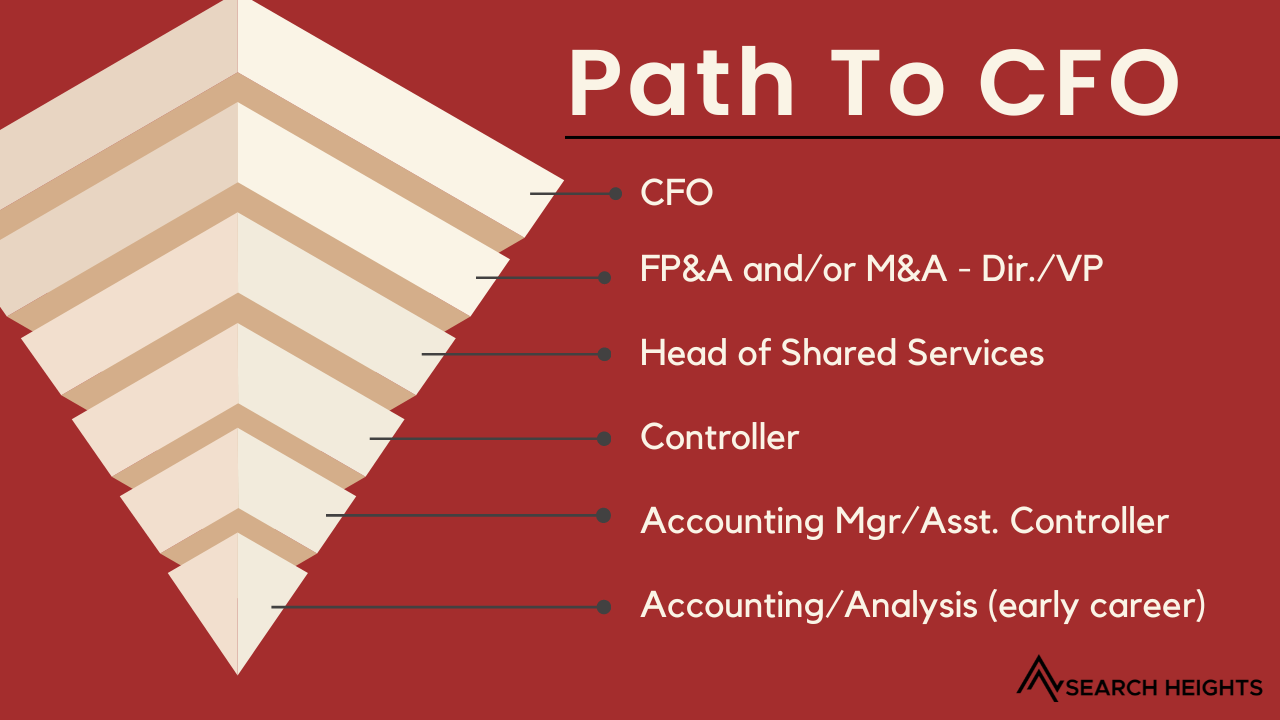
A CMA candidate striving to uncover the CFO role is entering a career path that combines strategic financial leadership with strong analytical expertise. As businesses face increasing complexity levels, companies are expecting CFOs to go far beyond number-crunching. They must guide decisions, analyze risks, streamline performance and shape the long-term financial growth effectively.
Moreover, becoming a CFO as a Certified Management Accountant course candidate needs a clear roadmap, consistent skill development and real-world exposure across the finance functions. From mastering financial planning and analysis (FP&A) to building capabilities and determining digital transformation, professionals should evolve into business partners who can influence long–term outcomes.
Practical Ways to Become a CFO By Pursuing a CMA Course in 2026
1. Build a Strong Foundation in Management Accounting
A candidate for a Certified Management Accountant course must learn all essential topics of management accountancy, such as budgeting, cost management, financial planning, and forecasting. These topics and skills lie at the foundation of the CFO’s job, which requires effective financial analysis and decision-making. Through preparation for the course, an individual enhances his or her skill sets related to CFO functions.
Beyond the technical knowledge, aspiring CFOs should learn how financial data impacts business results. This means developing the ability to interpret financial reports for the non-finance stakeholders and propose measurable solutions. A strong foundation in management accounting allows candidates to position themselves as strategic advisors.
2. Gain Relevant Work Experience Across Finance Functions
To advance towards the CFO position, one needs to develop practical experience in key financial areas, including internal controls, financial reporting, audit, budget, and treasury. This helps them become familiar with the company’s entire financial landscape and enhances their financial acumen.
In addition, candidates must seek cross-functional exposure by working with operations, HR, marketing, and supply chain departments. This experience helps them determine how finance drives business performance, enabling them to grow into leadership roles that require holistic business judgment, a must for CFOs.
3. Develop Leadership & Communication Skills
A CFO is not just a number-cruncher but a communicator and a leader! CMA candidates will also need to improve their ability to explain complex financial information in simple terms, present key insights, and make strategic decisions. Good communication will go a long way in working with CEOs, Board members, departmental heads, and shareholders.
Furthermore, leadership skills are acquired through leadership roles, team mentoring, and high-impact projects. Aspiring CFOs should be able to lead meetings, direct and lead team members, and handle conflicts within the team. Over time, this will mould the candidates into sure leaders for steering the organization’s financial function.
4. Strengthen Strategic & Analytical Thinking
CFOs are responsible for shaping the long-term financial strategy! A Certified Management Accountant course candidate should develop the ability to assess market trends, evaluate business risks, and recommend strategies that support the organization’s vision. The course training improves strategic thinking by encouraging scenario analysis, long-term budgeting, and variance reviews.
To enhance their ability to make sound analytical decisions, they need to apply increasingly complex instruments, such as financial models and automation technology. The ability to extract valuable information from a large data set and make predictions about the future is crucial for high-level decisions by a CFO. The more strategic-level analysis tasks they perform, the faster they progress toward top finance positions.
5. Gain Expertise in Technology & Financial Systems
Nowadays, CFOs extensively use technology such as ERP, automation, BI reporting, and AI-powered analytics tools. Management Accountants should be familiar with software such as Oracle, SAP, Tableau, Power BI, and advanced Excel tools, including AI-powered tools. This will help them automate processes and make decisions quickly and more accurately.
Determining digital transformation is important; CFOs play an essential role in implementing systems that optimize operations and improve data visibility. CMA candidates who align financial expertise with technological intelligence stand out as future-ready finance leaders capable of driving digital innovation.
6. Build Business Acumen & Industry Knowledge
To become CFO, determining the business is as important as mastering finance. Certified Management Accountant candidates must learn how different business functions work – customer acquisition, sales, production, supply chain, and marketing. This knowledge will help you connect financial results with the operational drivers.
Moreover, industry-specific expertise strengthens credibility! By determining sector trends, regulatory frameworks and market dynamics, candidates become effective in advising the board and CEO. The more they align financial decisions with business realities, the faster they climb the finance leadership ladder.
Conclusion
Becoming a CFO as a Certified Management Accountant candidate is achievable with the right combination of strategic learning, consistent leadership development, and cross-functional exposure. By mastering financial planning, technology, analytics, and business partnering skills, this course advances students from analyst roles to senior-level finance leadership.
The journey demands consistent upskilling, networking, and real-world experience in forecasting, budgeting, strategic decision-making, and compliance, positioning Certified Management Accountants as trusted, future-ready CFOs. Connect with the Zell Education team to explore more about the CMA course today!
FAQs
1. What skills and experience are required for being a CFO?
Requires experience in forecasting, budgeting, audits, and compliance, as well as leadership experience.
2. What abilities should I develop in order to be considered for the CFO position?
Leadership, adoption of technology, communication, business partnerships, risk management, strategy development, general
3. How long does it take a CMA to become a CFO?
On average, it will take 10 to 15 years, depending on opportunities and developments.
