

Wind Changes the Job After the Plow Leaves
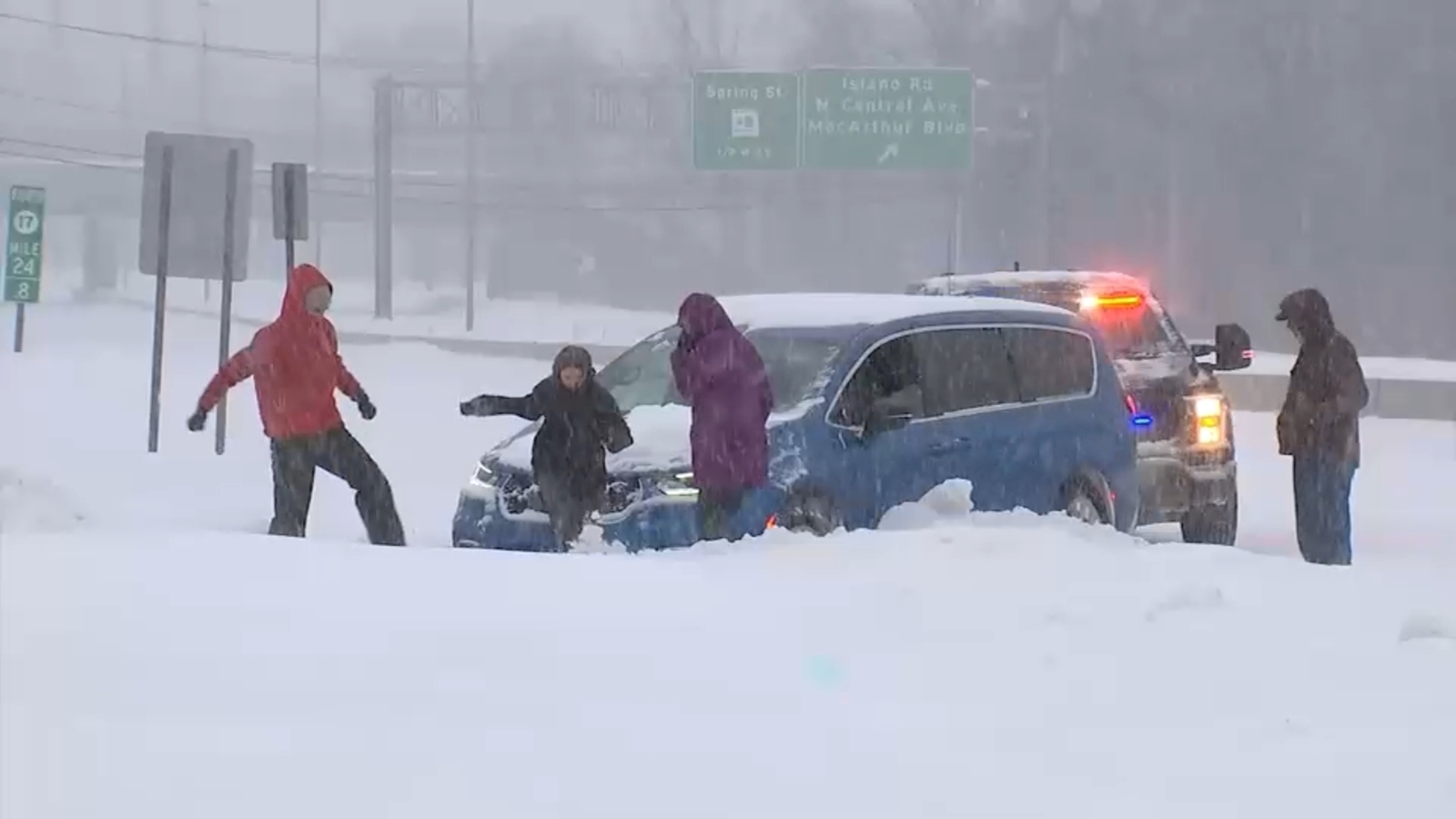
A coastal snow plan cannot assume that cleared snow will stay where crews put it. Open parking lots, waterfront exposures, broad drive aisles, and gaps between buildings can funnel wind across a site after active snowfall slows. Loose snow may move back onto travel lanes, entrances, ramps, and pedestrian routes that were already serviced. The National Weather Service defines drifting snow as an uneven redistribution of snow caused by strong surface winds, and notes that it can occur during or after snowfall.
That is why a response plan should map exposure, not just accumulation. Crews need to know where drifting usually forms, which lanes lose visibility first, and where snow piles may feed recurring blowback. Wider initial clearing can make sense on exposed routes because a narrow path can disappear quickly when loose snow starts moving.
Snow Removal Expert’s Winter Intelligence Engine supports this risk-based approach because the useful question is not simply, “Was this area plowed?” It is, “What is this area likely to look like two hours from now?” Wind, site geometry, drainage, pavement temperature, and traffic patterns all influence that answer.
Temperature Swings Create a Second Storm Without New Snow
Rapid warming followed by fast cooling can create a new hazard cycle even when little additional snow falls. Snowbanks soften, roof runoff increases, slush forms around vehicle routes, and meltwater moves toward low points. If temperatures drop after sunset, that water can become a thin ice layer across surfaces that appeared safe earlier. British Columbia’s winter preparedness guidance identifies snow, rain, and ice as winter conditions that can create transportation problems and increase slip-and-fall risk.
For snow and ice planning for Delta properties, service triggers should not depend on snowfall depth alone. Coastal properties may need condition-based inspections after a thaw, rain-on-snow event, or sharp evening temperature drop.
The common mistake is ending the service cycle when the parking lot looks clear. A better plan identifies shaded entrances, curb lines, parkade ramps, drainage channels, accessible routes, and other surfaces where water tends to remain.
If the surface can change after crews leave, the response plan needs a way to reassess it.
The Drift-and-Melt Loop: Two Hazards Feeding Each Other
Wind and temperature changes often interact. Drifting can deposit fresh snow onto wet pavement. Daytime warming can turn that snow into slush. Wind, traffic, and runoff can then redistribute treatment, while cooling later converts leftover moisture into ice.
Salt Placement Is Not Permanent
De-icing material only works where it remains and where conditions allow it to form an effective brine. Traffic, wind, slush, runoff, and additional precipitation can redistribute or dilute treatment.
That makes “we salted once” thinking risky. High-priority zones should be checked for actual surface condition, especially where vehicles turn, people enter buildings, or meltwater crosses a walking route.
Snow Storage Can Create Tomorrow’s Problem
A convenient pile location during the storm may become a runoff source during the next warm period. If meltwater flows across pavement into a shaded zone, a good plowing decision can become a poor ice-control decision several hours later.
This is where Snow Removal Expert fits naturally into the risk-management conversation. Fast clearing, modern equipment, safety-focused ice control, scheduled plans, transparent pricing, and 24/7 availability allow service to respond to changing conditions rather than treating every visit as an isolated event.
Open Terrain, Buildings, and Site Geometry
Two properties near each other can react very differently to the same weather.
A building may shelter one entrance while accelerating wind around a corner. A landscaped berm may trap snow on one side of a lot but contribute to drifting across another. Open fields, wide parking areas, loading yards, and exposed approaches can all create recurring accumulation patterns that are not obvious from a basic site map.
Preseason inspections should therefore record more than plow routes. Mark known drift zones, wind-exposed sidewalks, drainage points, snow-storage limits, roof discharge locations, and surfaces that stay shaded late in the day.
The operational goal is to make the first crew on site less dependent on guesswork. When the plan shows where snow tends to move and where meltwater tends to collect, operators can place snow more deliberately and supervisors can prioritize follow-up inspections.
Follow-Up Inspections and Return-Service Triggers
One of the biggest mistakes in coastal winter maintenance is treating a return visit as evidence that the first visit was incomplete. Sometimes conditions simply change.
A useful follow-up asks whether drifting has narrowed cleared routes, whether treatment has moved, whether slush has compacted under traffic, whether drains remain open, and whether meltwater has started crossing pedestrian or vehicle areas.
Inspect the Conditions That Can Change Fast
Priority locations usually include main entrances, accessible paths, slopes, loading areas, parkade ramps, shaded sidewalks, and drainage low points.
For managers evaluating coastal snow and ice service, the practical contract question is whether monitoring and return treatment are defined before the storm. A clear scope should explain what triggers another visit, which zones receive priority, and how additional ice-control work is documented.
Use Observations to Improve the Next Response
Every storm provides site information. A new drift pattern, blocked drain, recurring roof-runoff path, or unexpected refreeze zone should be added to the property record.
Over time, those observations turn a generic plan into a site-specific response standard and reduce improvised decisions during later weather events.
Building a Dynamic Coastal Snow Response Standard
Coastal winter planning works best when it is organized around changing conditions.
Before a storm, review wind direction, likely accumulation, temperature movement, drainage readiness, staffing, and material needs. During the event, watch how snow is actually moving across the property rather than relying only on the forecast. After clearing, assess where slush, runoff, or drifting may rebuild risk.
Then schedule follow-up based on exposure.
A strong plan should answer practical questions: Which routes can drift shut first? Where does runoff travel during a thaw? Which surfaces cool fastest after sunset? Where can snow be stored without creating later drainage problems? Who decides when another inspection is required?
This approach can also prevent over-service. Not every area needs the same treatment every time. Some zones may remain stable while a small number of high-risk locations require repeated attention.
The mistake is assuming the storm ends when precipitation ends. Coastal wind, meltwater, and temperature swings can keep changing a property for hours afterward.
A better standard manages the full condition cycle: accumulation, movement, melting, drainage, cooling, and refreeze. That is how property owners move from reactive snow clearing to winter risk management that remains useful after the weather changes.
