

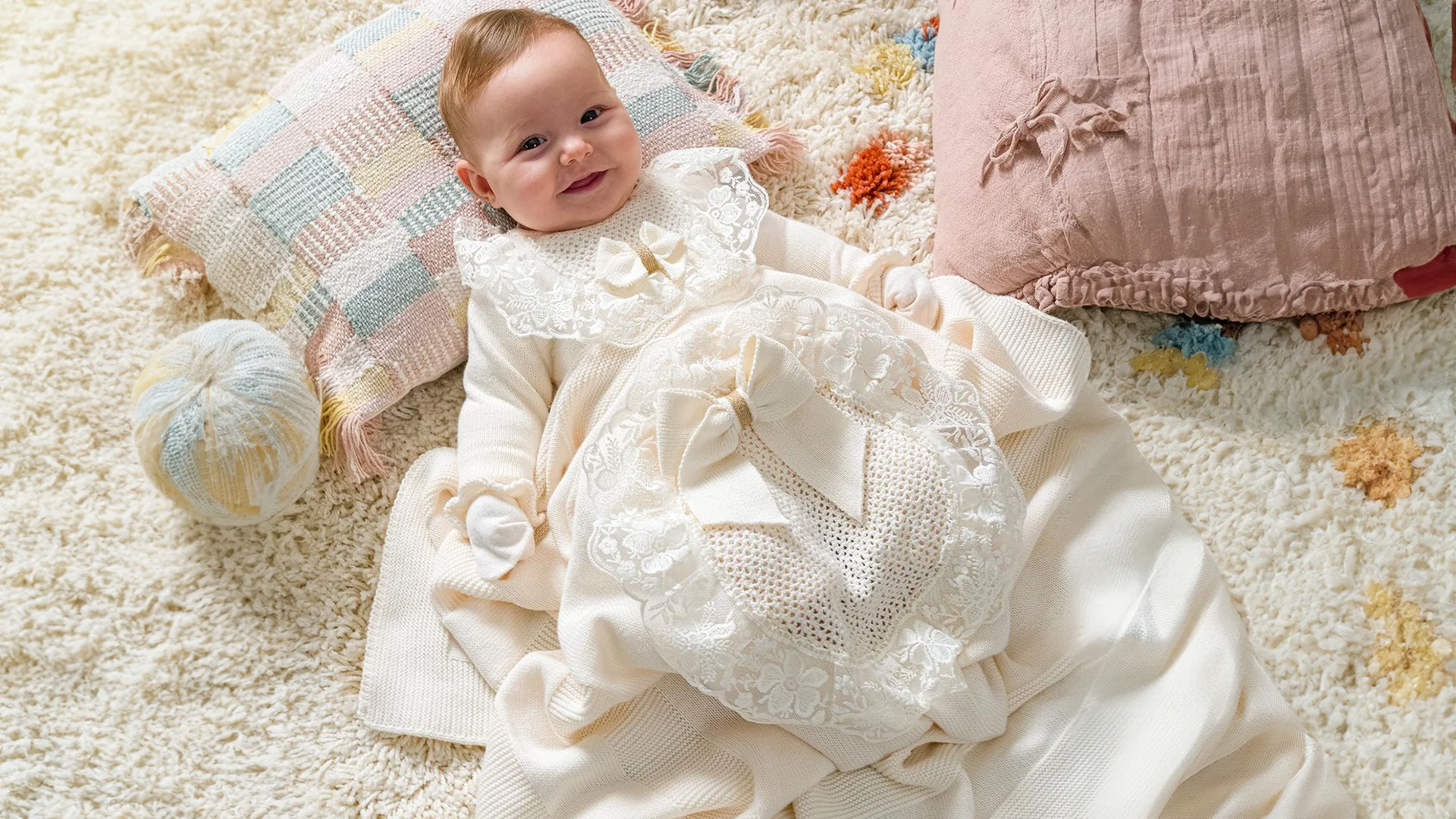
Welcoming a newborn into your family is an exciting and sometimes overwhelming experience. One of the most common questions new parents face is, How Much Clothing Do I Need for a Newborn? With so many adorable outfits available, it’s easy to get carried away, but understanding your baby’s practical clothing needs can save you money, storage space, and unnecessary stress. This guide will break down the essentials, seasonal considerations, and tips for creating a functional newborn wardrobe.
Understanding Newborn Clothing Needs
Newborns have unique clothing requirements compared to older infants. They grow rapidly, experience frequent diaper changes, and often have sensitive skin. Choosing the right quantity and type of clothing ensures your baby stays comfortable while keeping laundry manageable.
When considering How Much Clothing Do I Need for a Newborn, think in terms of layers and versatility. Babies benefit from soft, breathable fabrics that allow easy movement and temperature regulation. Cotton is often the top choice for its softness, durability, and ability to withstand frequent washing.
Essential Clothing Items for a Newborn
While the amount of clothing may vary depending on your lifestyle and climate, there are essential items every newborn wardrobe should include.
- Onesies
Onesies are the backbone of any newborn wardrobe. They provide a convenient, all-in-one solution that keeps your baby comfortable. For newborns, having around 6 to 10 short-sleeved or long-sleeved onesies is ideal. Layering with additional clothing can adjust for temperature changes. - Sleepwear
Sleep is crucial for newborns, and comfortable sleepwear helps regulate body temperature. A mix of 4 to 6 sleep suits or sleep gowns can cover nighttime needs. Footed sleepwear is especially useful to keep tiny toes warm without extra socks. - Mittens and Hats
Newborns often scratch themselves unintentionally. A few pairs of soft mittens protect delicate skin, while 2 to 3 lightweight hats help retain heat, particularly in cooler climates or during nighttime. - Socks and Booties
Though not mandatory at all times, 4 to 6 pairs of socks or booties keep little feet warm. They are especially handy if your baby tends to kick off blankets during sleep. - Outer Layers
Depending on the season, your newborn may require a couple of sweaters, jackets, or bunting suits for outings. Lightweight layers work well for warmer months, while thicker garments are necessary for cold weather. - Special Occasion Outfits
While not everyday essentials, 1 to 2 outfits for family photos, holidays, or special events can be included without cluttering the wardrobe.
Seasonal Considerations
Seasonal changes can significantly affect your newborn clothing requirements. When deciding How Much Clothing Do I Need for a Newborn, consider the local climate and the time of year your baby will be born.
- Winter Babies: Focus on layering, including several long-sleeved onesies, sleep suits, and warm outerwear. Thermal mittens, socks, and hats are essential.
- Summer Babies: Lightweight, breathable fabrics and short-sleeved onesies prevent overheating. Fewer layers are required, but sun-protective clothing may be necessary for outdoor activities.
- Transitional Seasons: Layering is key during spring and fall. Having a mix of long- and short-sleeved garments ensures adaptability to fluctuating temperatures.
Tips for Efficient Newborn Wardrobe Planning
- Prioritize Practicality Over Quantity
Buying excessive clothing is tempting, but newborns grow quickly, often outgrowing garments within weeks. Focus on the essentials, and gradually add items as needed. - Choose Versatile Pieces
Select clothing that can mix and match easily. Neutral colors and simple patterns allow multiple outfit combinations and reduce the total number of garments required. - Consider Laundry Frequency
Newborns experience frequent spills and diaper leaks. Having enough clothes to accommodate regular washing cycles prevents running out of clean garments. - Organize by Size
Even if you purchase some clothes in advance, organize them by size. Babies typically wear newborn sizes for a short period, so keeping larger sizes ready prevents storage issues and ensures you are prepared as your baby grows. - Gift Wisely
Newborn clothing is a common gift item. If friends or family offer clothes, prioritize receiving items in sizes your baby will grow into, rather than an overwhelming number of newborn-size outfits.
Common Mistakes to Avoid
- Buying too many newborn-size outfits: Babies often outgrow newborn sizes within a month.
- Neglecting the importance of layering: Temperature regulation is vital, and layering allows adjustment without over-dressing.
- Overlooking easy-to-use fastenings: Snaps and zippers simplify diaper changes and make dressing more efficient.
- Choosing impractical fabrics: Avoid rough or non-breathable materials that may irritate sensitive skin.
Conclusion
Determining How Much Clothing Do I Need for a Newborn requires balancing practicality, comfort, and growth considerations. By focusing on essentials such as onesies, sleepwear, hats, and outer layers while considering seasonal needs and laundry routines, new parents can create a functional and organized wardrobe. Thoughtful planning not only saves money and space but also ensures your baby remains comfortable and happy. For more tips on newborn essentials, parenting guidance, and product recommendations, visit Oxastyle.com for expert advice and curated newborn essentials.
