

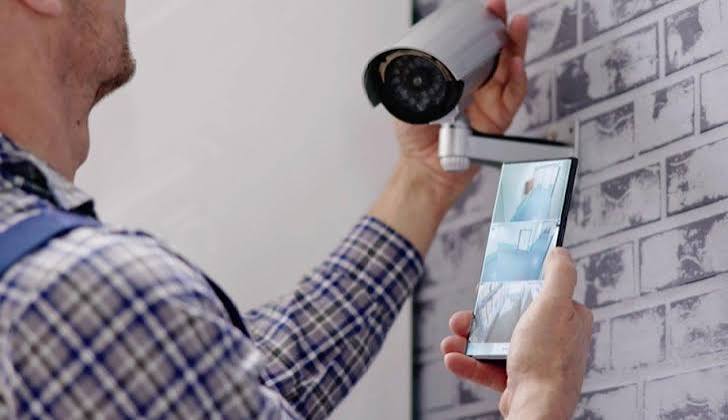
Traditional security cameras served a single, simple purpose: they recorded video onto a tape or local hard drive so you could look back at events after something happened. While those older setups helped catch intruders after a break-in occurred, they did very little to stop crime while it was happening.
Today, home surveillance has changed completely. Modern Gorilla security cameras combine high-resolution sensors, artificial intelligence, and instant wireless connectivity to create active defense networks. Instead of just recording footage, modern cameras actively analyse motion, send instant notifications to your phone, and help you take immediate action from anywhere in the world.
What Makes a Security Camera “Smart”?
Traditional cameras operate as simple video recorders. They stream visual data continuously to a digital video recorder (DVR) or network video recorder (NVR), filling up hard drive space with hours of static footage.
Smart cameras, on the other hand, contain onboard processors capable of analyzing image frames in real time. Rather than relying on simple heat or pixel changes, smart systems use advanced algorithms to understand what is happening within their field of view.
Here are the primary features that separate modern smart cameras from traditional setups:
- Object and Motion Classification: Older motion sensors triggered alerts whenever a tree branch swayed, a spider walked across the lens, or a passing car swept headlights across your driveway. Smart systems differentiate between human beings, animals, vehicles, and blowing debris, reducing false notifications dramatically.
- High-Definition and Colour Night Vision: Early security feeds produced grainy, black-and-white video that made identifying faces nearly impossible. Modern smart cameras record in 2K or 4K resolution and use wide-aperture lenses with spotlight integration to capture full-color video even in total darkness.
- Two-Way Audio: Integrated microphones and speakers allow you to communicate with anyone standing near the camera directly through a smartphone application.
- Encrypted Cloud and Local Storage: Modern systems back up critical video clips to secure cloud servers while maintaining encrypted local storage on high-capacity memory cards or local network drives.
The Key Benefits of Installing Smart CCTV Systems
Upgrading your home surveillance setup offers immediate advantages for daily convenience and long-term peace of mind.
Real-Time Threat Prevention
The primary benefit of a connected camera setup is early warning. When an unknown person enters your property line, the system sends a notification to your mobile phone within seconds. You can open a live stream, see who is there, and activate built-in spotlights or audible sirens to scare off potential intruders before they reach a door or window.
Remote Access and Total Oversight
Whether you are sitting at your desk at work or traveling overseas on holiday, you maintain continuous contact with your property. Through a mobile app, you can review live video feeds, check recorded events from earlier in the day, or check in on children arriving home from school.
Integration with Modern Smart Home Devices
Smart security cameras do not work in isolation. They connect with smart door locks, lighting systems, and alarm hubs. For example, when a security camera detects movement near your front porch late at night, it can automatically trigger outdoor floodlights to turn on and lock your electronic deadbolts.
Reduced Insurance Premiums and Property Value Support
Insurance companies recognise the protective value of active security installations. Many providers offer discounts on home insurance policies for houses protected by verified security systems. Additionally, visible, high-quality cameras act as a strong visual deterrent to opportunistic criminals, making your entire neighborhood safer.
When planning a system for your property, professional placement and proper hardware selection make a significant difference in coverage. Homeowners seeking reliable setup and long-term performance often rely on professional CCTV systems in Melbourne to ensure every entry point and outdoor zone is fully protected without blind spots.
Challenges and Considerations Before Buying
While smart surveillance technology offers substantial safety improvements, setting up a system requires careful thought. Addressing these potential drawbacks before installation helps you avoid technical issues later on.
Internet Bandwidth and Network Stability
Smart cameras require a stable, high-speed internet connection to send live alerts and stream video to your phone. If your Wi-Fi network suffers from weak coverage near exterior walls or low upload speeds, video feeds may lag or drop completely. Installing Wi-Fi extenders or using hardwired Ethernet cables (Power over Ethernet) resolves network reliability issues.
Privacy Concerns for Family and Neighbors
Cameras placed outdoors must respect the privacy of nearby residents. Angle your cameras to monitor your own perimeter, driveway, and entry points rather than pointing directly into neighboring yards or windows. Internally, you can schedule privacy modes that turn off interior cameras automatically when family members are at home.
Cybersecurity and Data Protection
Because smart cameras connect to the internet, secure configurations are essential. Always change default factory passwords immediately upon setup, update your camera firmwares regularly, and enable multi-factor authentication on every account connected to your security system.
Power Management and Maintenance
Wireless battery-powered cameras offer easy installation without running wires through walls. However, batteries require regular recharging, especially in high-traffic areas or cold weather. Hardwired systems take more effort to install initially, but they offer continuous power without regular battery maintenance.
Emerging Trends Shaping the Future of Home Surveillance
Surveillance technology continues to advance rapidly. Homeowners installing new equipment today can take advantage of several recent technical improvements:
- Facial Recognition and Familiar Tagging: Advanced home cameras can learn the faces of household members, frequent visitors, and delivery personnel. When a recognised face approaches, the system suppresses unnecessary alerts, notifying you only when an unfamiliar person appears.
- Solar-Powered Outdoor Units: Compact solar panels mounted directly above outdoor cameras provide constant battery topping, eliminating the need to dismount hardware for manual charging.
- Thermal Imaging Sensors: Thermal sensors detect heat signatures rather than light. This allows systems to spot movement through thick foliage, fog, or complete darkness where standard visual cameras struggle.
- Automated Audio Deterrents: Instead of basic beeps or sirens, newer systems play custom audio clips, such as recorded dog barks or verbal warnings, whenever unauthorised visitors step into restricted zones.
Final Thoughts
Smart CCTV technology has reshaped home security from a passive recording tool into an active, preventive defense system. By offering high-definition video, real-time alerts, intelligent motion filtering, and remote smartphone control, modern cameras allow homeowners to maintain constant oversight of their property.
