

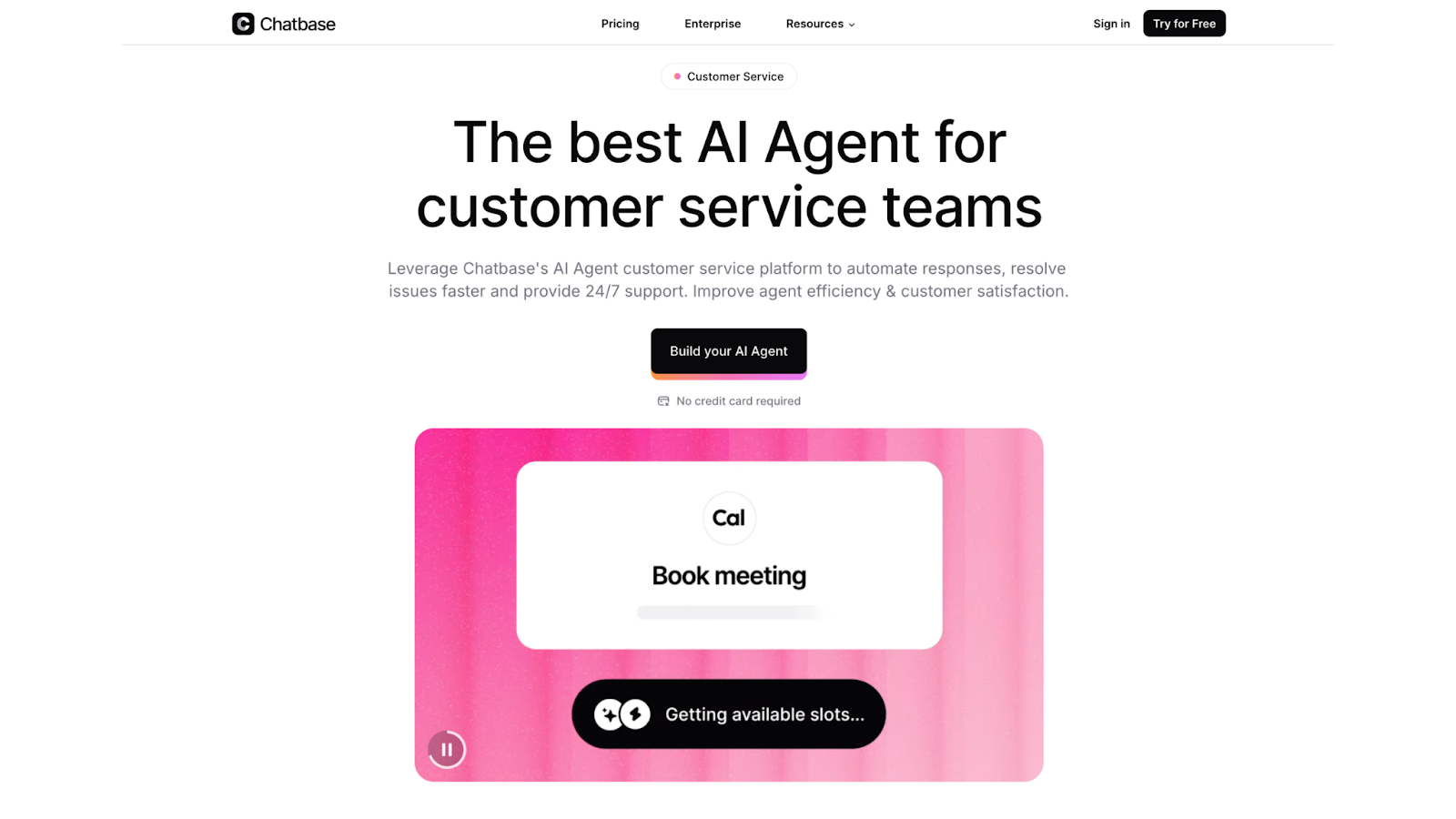
The future of customer service is centered on the ability to automate your support desk with AI, creating seamless and instant support experiences that customers expect in the digital era.
For an endeavor to improve operational efficiency and increase customer satisfaction, businesses have found that AI-based chatbots are an effective efficiency tool and competitive differentiator.
Why AI Chatbots are Essential for Modern Customer Service
AI chatbots have become the de facto solution to digital customer service, enabling businesses to scale as customers increasingly expect instant responses.
Clever virtual agents resolve most repeat requests and automate manual tasks on the platforms, so they save a lot without compromising security or compliance.
24/7 Availability and Instant Responses
Support never closes when chatbots are in use.
A customer asking for help will always find their answer.
Businesses can service customers from different time zones with no wait time.
The help desk is available all day, every day of the week.
This keeps satisfaction scores high, which helps build loyalty over time.
Personalization and Contextual Understanding
Most modern chatbots remember customer preferences.
These chatbots also remember conversation history, and they use this information to personalize conversations by suggesting products or services.
Chatbots greet customers in an engaging way.
They help build rapport and improve the customer experience.
Steps to Successfully Automate Your Support Desk with AI
When people migrate support systems to AI well, they transition to continuous quality management, and chatbots collaborate with, not replace, human support representatives.
1. Define Use Cases for Automation
Success with chatbot automation begins by identifying the best candidate tasks for AI.
Common use cases include:
- Answering order status and tracking inquiries
- Managing subscriptions and account information
- Addressing product or service FAQs
- Troubleshooting straightforward issues
By automating these tasks, businesses ensure human agents focus on sensitive or complex cases, which require a personal touch.
2. Optimize Conversational Experience
Don’t treat building a chatbot like sending a robot into battle.
Show your AI colloquialisms, slang, typos, speech errors, and varied ways of saying things.
Customer satisfaction and performance data lead to revisions.
The scripts undergo changes for that reason.
Multilingual and Accessibility Features
Widen your audience by offering multi-language support.
Advanced chatbots can identify the language of the end-user and translate in real-time, making your business available to the world.
3. Integrate with Business Systems for Real-Time Data
Connect the AI agent with operational systems like CRM, inventory, and order management systems etc.
This enables the chatbot to provide quick answers, personalized account information, and to perform actions on behalf of the customer when requested.
4. Human Handoff and Escalation
An AI support desk addresses issues. It sends some to human agents.
It requires rules about when a chatbot should escalate an issue to a human agent.
It also requires a routing logic that directs customers to the correct human agent.
Security, Trust, and Compliance in AI Support
Security and regulatory compliance are foundational for any automated support system.
Choose platforms that offer:
- Robust encryption for data at rest and in transit
- Permission controls that restrict access to sensitive data
- Clear audit trails and advanced guardrails to prevent errors or privacy breaches
The best solutions ensure that customer data remains private and protected, building lasting trust and meeting global compliance standards.
Continuous Improvement for Lasting Success
Automation in customer support is never static.
Market-leading platforms collect actionable insights on interactions, allowing you to:
- Identify recurring pain points or new questions
- Refine training data and update scripts
- Set up advanced triggers for nuanced case escalation
Regular iterations based on analytics create a support environment that consistently improves and adapts to changing needs.
Deploy Across Multiple Channels for Maximum Reach
Help customers in their time and place of need.
Add chatbots to web widgets, mobile apps, and social messaging services.
This is in the interest of ensuring a smooth experience.
Enhancing Performance with Analytics
Strong reporting and dashboards help you understand the way the support operation performs, what satisfies the customer, how to prioritize resources, and enable data-driven support operations so they drive better outcomes for customers.
Building Trust with AI Support Agents
Trust matters to customer service.
Make sure your customers know the extent of your chatbot’s services, and that human representatives will take over when required.
Incorporate feedback, escalating if needed, to always make sure that the conversation feels human and helpful.
Customer feedback drives our continued efforts to improve the automation of our support, making it as personal as possible.
Conclusion
Automating your support desk with AI is a smart business decision.
With the Chatbase.co platform, building secure, flexible, and constantly improving AI support agents will help you provide the level of service and capacity your customers expect today.
By allowing AI to support their support team, businesses can create memorable customer experiences and scalable workflows that enable them to meet future demand.
