

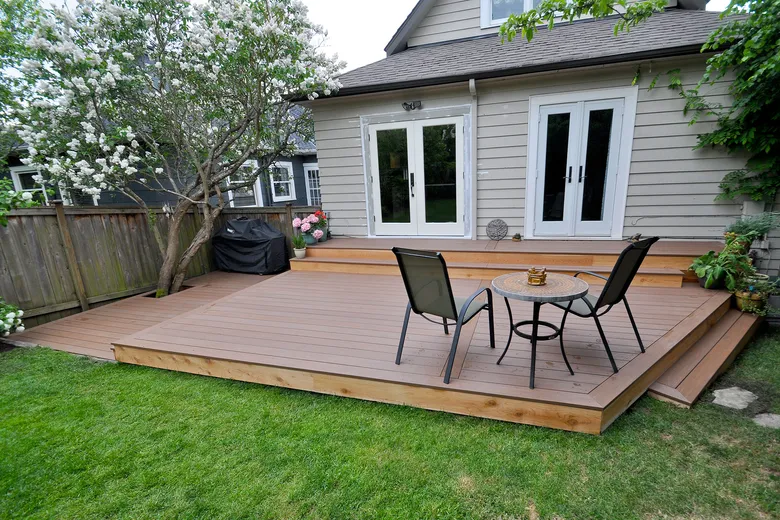
A well-designed deck can turn an underused yard into a comfortable extension of the home. It can provide a place for morning coffee, family meals, weekend gatherings, or quiet evenings outdoors. However, designing a deck that remains attractive and functional requires more than choosing a shape and decking color. Homeowners need to consider climate, property conditions, drainage, sunlight, materials, privacy, safety, and long-term maintenance.
Seattle and San Diego offer very different environments for outdoor construction. Seattle’s frequent rainfall makes moisture control and drainage essential, while San Diego’s abundant sunshine makes UV exposure, shade, and surface temperature important considerations. Understanding these local differences allows homeowners to make practical choices and build outdoor spaces that suit both their properties and lifestyles.
Start With the Purpose of the Deck
Every successful deck project begins with a clear idea of how the space will be used. Homeowners should think about daily activities before deciding on dimensions or materials. A deck intended for outdoor dining may need enough space for a table, chairs, and comfortable walking areas. A deck designed for entertaining might require multiple seating zones, a grill area, and additional space for guests.
Some homeowners want a quiet retreat rather than a large entertainment area. In that case, a smaller deck with comfortable seating, plants, and privacy features may provide greater value than a much larger structure.
Defining the purpose also makes budgeting easier. Once homeowners know which features matter most, they can allocate money toward those elements instead of spending heavily on features they may rarely use.
Consider the Property Before Designing
The available space can influence nearly every aspect of a deck project. Homeowners should examine the yard’s shape, elevation, existing landscaping, doors, windows, utility equipment, and surrounding structures before finalizing a design.
Uneven terrain may require additional structural planning. A sloped yard can create opportunities for multi-level designs, but it can also increase construction complexity.
Access is another important consideration. The deck should connect naturally with the house and provide convenient movement between indoor and outdoor areas. If people need to walk through furniture or around awkward corners to reach the yard, even an attractive deck may become frustrating to use.
Designing for Seattle’s Climate
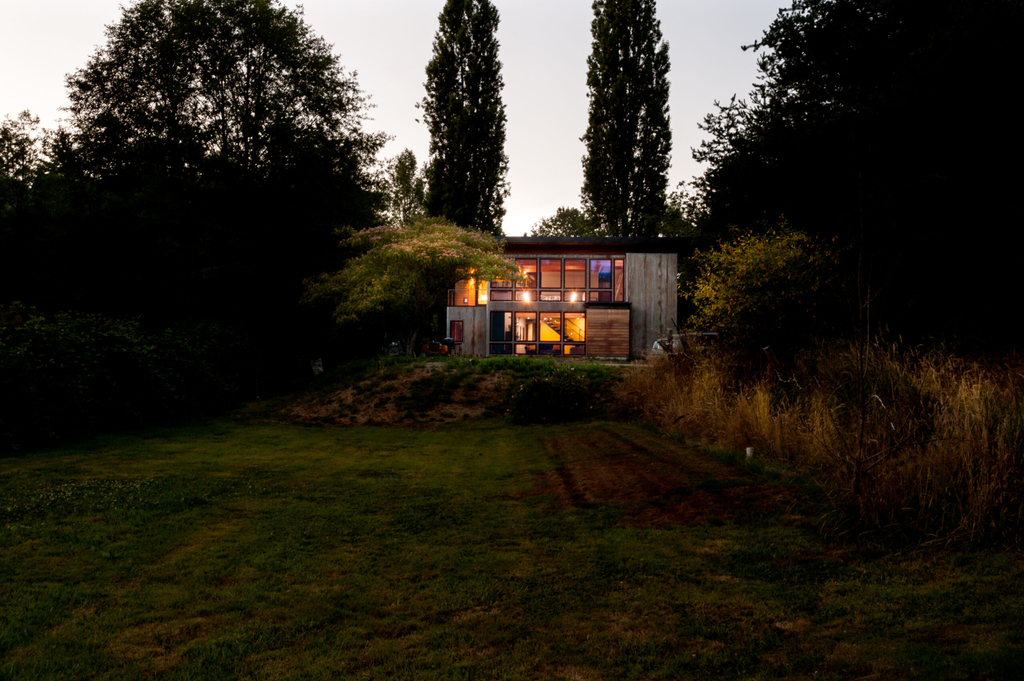
Seattle’s rainy climate creates specific challenges for outdoor structures. Constant exposure to moisture can affect decking, framing, fasteners, and nearby landscaping if the design does not manage water effectively.
Drainage should therefore become part of the design from the beginning. Water needs a clear path away from the house and should not collect beneath the deck or around structural components.
Homeowners should also think about ventilation beneath the structure. Good airflow can help the area dry after rainfall and reduce prolonged moisture exposure.
When planning a project, a deck builder Seattle can provide location-specific guidance on materials, drainage, structural design, and other considerations that affect long-term performance.
Choosing Materials for a Rainy Environment
Decking materials need to match the conditions in which they will operate. Natural wood remains popular because it offers a warm, traditional appearance and can complement many home styles.
However, wood requires ongoing maintenance. Cleaning, staining, and sealing may help protect the surface and preserve its appearance.
Composite decking offers an alternative for homeowners who prefer a manufactured material with lower routine maintenance. It can provide consistent color and resistance to common outdoor conditions.
The right choice depends on the homeowner’s budget, preferred appearance, maintenance expectations, and long-term goals rather than on price alone.
Managing Sun Exposure in San Diego

San Diego’s sunny climate makes outdoor living attractive for much of the year. At the same time, prolonged sunlight can affect decking materials and make outdoor surfaces uncomfortable during certain periods of the day.
Homeowners should think about the direction of the sun when selecting the deck’s location. A structure that receives intense afternoon sunlight may benefit from additional shade.
Pergolas, umbrellas, retractable awnings, and strategically positioned landscaping can all improve comfort. The choice depends on the home’s architecture, available space, and desired appearance.
When developing a project, experienced san diego deck builders can help homeowners consider local conditions and create a design that balances sunlight, comfort, appearance, and functionality.
Selecting a Decking Color
Color affects both appearance and practical comfort. Dark decking can create a dramatic look, but it may become warmer under direct sunlight. Lighter colors can create a brighter appearance and may feel more comfortable in areas with significant sun exposure.
Homeowners should consider the color of their home’s exterior, roof, doors, windows, and existing landscaping. A coordinated palette can make the deck look like an intentional part of the property rather than a separate addition.
Samples should ideally be viewed outdoors because natural light can make colors look different from how they appear in catalogs or online photographs.
Making Room for Furniture
Furniture can quickly consume usable deck space if homeowners do not plan for it early. A deck may look spacious when empty but feel crowded after adding chairs, tables, grills, planters, and storage.
Creating a scaled layout before construction can prevent this problem. Homeowners should include walking paths and space around chairs so people can move comfortably.
Built-in seating can also help maximize smaller decks. Benches can provide seating without requiring as much floor space as individual chairs.
Adding Privacy to Outdoor Areas
Privacy can make a deck significantly more comfortable, particularly when neighboring homes are close together.
Several solutions can improve privacy without completely blocking the surroundings. Privacy screens, decorative panels, plants, pergolas, and carefully positioned fencing can create separation while preserving natural light.
The appropriate option depends on the property and the homeowner’s preferences. A combination of landscaping and architectural features can often create a softer appearance than a completely enclosed structure.
Planning Safe and Attractive Railings
Railings serve an important safety purpose, but they also influence the overall visual character of a deck.
Wood railings can create a traditional appearance, while metal and cable systems can provide a more modern aesthetic. Glass can preserve views but may require more cleaning.
Homeowners should prioritize compliance with applicable building requirements when selecting railing designs. Proper spacing, height, attachment, and structural support all matter.
A railing should look attractive while providing dependable protection for everyone using the deck.
Designing Stairs That Are Easy to Use
Stairs often receive less attention than the main deck surface, but they have a major effect on usability.
The location should provide convenient access between the deck and yard. Stairs should also have appropriate lighting and enough surrounding space for people to move safely.
Homeowners with limited mobility may benefit from considering accessibility early rather than trying to modify the design later.
Integrating Landscaping
Landscaping can help connect a deck to the rest of the yard. Plants and garden areas can soften structural edges and create a more natural outdoor environment.
Seattle homeowners may choose plants that work well with the region’s wetter conditions. San Diego homeowners may prefer drought-tolerant plants that require less irrigation.
Trees require particular attention. Their mature size, roots, falling leaves, and branches can affect the deck over time. Planting too close to the structure may increase maintenance requirements.
Lighting for Better Outdoor Use
A deck does not have to become unusable when the sun goes down. Well-planned lighting can make the space more practical and improve visibility.
Step lighting can make stairs easier to navigate, while low-level fixtures can illuminate walking areas. Decorative lighting around seating zones can create a relaxed atmosphere.
Homeowners should plan electrical requirements during the design stage. This approach allows lighting to integrate neatly into railings, stairs, posts, or nearby landscaping.
Estimating the Total Project Cost
A deck budget should include every major component rather than focusing only on the decking material.
Potential expenses include:
- Structural framing
- Foundations
- Decking
- Railings
- Stairs
- Labor
- Permits
- Lighting
- Drainage improvements
- Shade structures
- Site preparation
- Landscaping changes
Seattle’s moisture-related requirements may influence construction details, while San Diego projects may include additional shade or sun-management features.
Homeowners should also maintain a contingency amount for unexpected site conditions. This provides greater flexibility if construction reveals issues that were not visible during the initial planning stage.
Thinking About Long-Term Maintenance
The initial construction price does not tell the entire financial story. Maintenance requirements can affect the total cost of owning a deck.
Natural wood may require regular protective treatments. Composite materials may reduce some maintenance tasks but can involve a higher upfront investment.
Homeowners should choose materials based on how much time they are willing to spend maintaining the deck. Someone who enjoys regular home maintenance may prefer natural wood, while another homeowner may prioritize convenience.
Inspecting the Deck Regularly
Regular inspections can help identify problems before they become serious. Homeowners should look for cracked or loose boards, damaged fasteners, corrosion, unstable railings, drainage problems, and signs of moisture-related deterioration.
After periods of heavy rain or prolonged sun exposure, checking the deck can provide an opportunity to identify changes early.
Small repairs often remain easier to manage than major structural problems that develop after years of neglect.
Creating a Deck That Matches the Home
A deck should complement the architecture rather than compete with it. Modern homes may work well with clean lines, simple railings, and contemporary materials. Traditional properties may benefit from natural wood and more classic detailing.
Color, railing design, stairs, landscaping, and lighting can all contribute to a consistent appearance.
The best designs usually balance visual appeal with practical requirements. A beautiful deck that is difficult to maintain or uncomfortable to use will not provide the same value as a thoughtfully designed space.
Why Local Expertise Can Help
Although many deck design principles apply everywhere, local conditions can change the best approach. Climate, terrain, building requirements, and common construction practices vary between regions.
Local professionals can evaluate the property and identify challenges that homeowners may overlook. They can also help develop realistic material choices and construction plans.
Homeowners should discuss their intended use, budget, preferred style, maintenance expectations, and concerns before construction begins.
Final Thoughts
Seattle and San Diego homeowners can both benefit from well-designed outdoor decks, but their projects should respond to different environmental conditions. Seattle designs need strong attention to moisture management, drainage, ventilation, and material durability. San Diego designs can focus more heavily on sun exposure, shade, outdoor comfort, and protection from prolonged UV exposure.
Regardless of location, successful deck construction starts with careful planning. Homeowners should define how they want to use the space, evaluate the property, select appropriate materials, plan for safety, establish a realistic budget, and consider maintenance before construction begins.
With the right combination of design and professional guidance, a deck can become more than an attractive backyard feature. It can provide a comfortable, functional outdoor area that supports everyday living and remains valuable for many years.
