

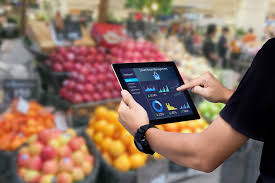
The clipboard era is fading. Across the independent grocery sector, retailers are abandoning manual inventory processes in favor of digital systems that promise accuracy, speed, and operational control. This shift reflects a broader recognition that small grocers can no longer afford the inefficiencies that once defined their operations.
Recent funding activity underscores the momentum behind this transition. Vori, a platform focused on inventory and supply chain tools for independent retailers, recently closed a $22 million Series B round. The investment signals growing confidence in software solutions designed specifically for grocers outside the big-box ecosystem.
The Operational Case for Digital Inventory Systems
Independent grocers have historically relied on spreadsheets, phone-based ordering, and manual stock checks. These methods create friction at every stage of operations. Orders get delayed. Shelves sit empty longer than necessary. Staff spend hours on tasks that modern software handles in seconds.
Digital inventory platforms address these pain points by centralizing data and automating updates. Store managers gain real-time visibility into stock levels, eliminating the reactive scramble that follows unexpected shortages. The result is tighter control over product availability and fewer lost sales.
Mobile technology amplifies these benefits. Staff equipped with handheld devices can scan products, update counts, and place orders directly from the sales floor. This mobile-first approach reduces dependency on back-office processes and accelerates daily workflows.
Integration With Existing Point-of-Sale Systems
One critical factor in software adoption is compatibility with existing infrastructure. Most independent grocers already operate point-of-sale systems for transaction processing and sales tracking. Effective inventory platforms connect with these systems rather than replacing them.
When POS and inventory software communicate in real time, sales data automatically adjusts stock levels. A product sold at checkout triggers an immediate inventory update. This synchronization eliminates manual reconciliation and improves accuracy across all store locations.
Vori’s approach to independent grocery inventory management software emphasizes this integration, connecting ordering, supplier data, and retail sales into a unified system. The design philosophy reflects a practical understanding of how independent retailers actually operate.
Supply Chain Coordination Becomes Competitive Advantage
Beyond internal operations, inventory software reshapes how grocers interact with suppliers. Independent retailers typically manage relationships with multiple wholesalers, placing separate orders through disconnected channels. This fragmentation increases workload and slows restocking cycles.
Modern platforms consolidate supplier networks into single interfaces. Retailers can compare pricing, manage vendor relationships, and coordinate orders without juggling multiple systems. The efficiency gains compound over time as stores scale their operations.
This supply chain modernization carries strategic importance. Large chains like Amazon and Walmart leverage sophisticated logistics infrastructure to maintain inventory precision. Independent grocers adopting similar digital tools begin closing the competitive gap that technology once widened.
Cost Considerations and Implementation Realities
Pricing for inventory management software varies based on store size, feature requirements, and integration complexity. Most vendors structure costs around monthly subscriptions, with additional fees for analytics, supplier integrations, and mobile capabilities.
Smaller operations may start with basic packages focused on stock tracking and barcode scanning. Larger retailers often require advanced functionality including multi-location support and real-time supplier coordination. The investment typically justifies itself through reduced waste, fewer stockouts, and smoother daily operations.
Several factors influence total implementation costs:
- Number of store locations and active users
- Depth of automation in ordering workflows
- Integration requirements with existing POS infrastructure
- Access to reporting and analytics features
Retail Technology and the Path Forward for Independents
The independent grocery sector stands at an inflection point. Retailers clinging to manual processes face mounting pressure from consumers expecting consistent product availability and from competitors leveraging data-driven operations.
Platforms like Vori represent a broader trend toward specialized software serving underserved retail segments. As coverage of regional technology innovation continues to highlight, the companies building these tools recognize that independent grocers need solutions designed for their specific operational realities.
Inventory management software is transitioning from optional upgrade to operational necessity. Grocers exploring this shift should evaluate platforms based on integration capabilities, supplier network features, and alignment with their current workflows.
