

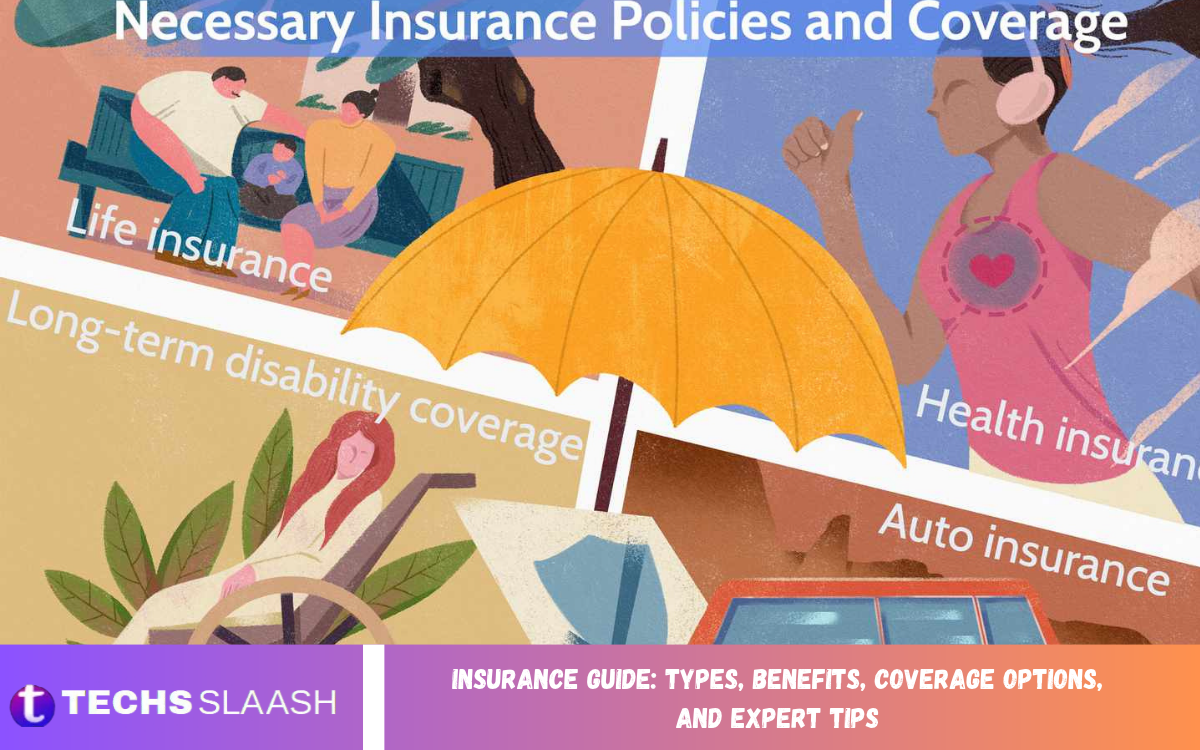
Insurance is an essential part of financial planning that helps individuals, families, and businesses manage unexpected expenses. Accidents, illnesses, property damage, and other unforeseen events can create significant financial pressure. The right insurance policy provides protection against eligible losses and helps people maintain financial stability during difficult situations.
This Insurance Guide: Types, Benefits, Coverage Options, and Expert Tips explains how insurance works, the policies available, and what to consider before buying coverage. Understanding these fundamentals makes it easier to compare plans, evaluate policy terms, and choose protection that matches your needs and financial goals.
What Is Insurance and How Does It Work?
Insurance is a financial agreement between a policyholder and an insurance company. The policyholder pays a premium in exchange for coverage against specified risks, subject to the policy’s terms, exclusions, limits, and conditions. When a covered event occurs, the insurer evaluates the claim and pays eligible benefits according to the agreement.
The cost of insurance depends on several factors, including the type of coverage, the amount insured, the policyholder’s circumstances, and the likelihood of a claim. Some policies include deductibles, waiting periods, or coverage limits. Reviewing these details before purchasing insurance helps you understand what protection you are receiving and what expenses you may need to pay yourself.
Types of Insurance You Should Know
Different insurance policies address different financial risks. Some protect your health and income, while others cover your home, vehicle, belongings, or business operations. Choosing suitable coverage starts with identifying the risks that could most affect your financial situation.
Common insurance categories include life insurance, health insurance, auto insurance, homeowners insurance, renters insurance, travel insurance, and business insurance. Each category offers different benefits and limitations. Your age, responsibilities, location, occupation, budget, and existing financial resources can influence which policies deserve priority.
Life Insurance: Protecting Your Family’s Future
Life insurance provides financial benefits to designated beneficiaries when the insured person dies, subject to the policy conditions. It can help a family manage living expenses, outstanding debts, education costs, and other financial obligations after losing an income earner. This coverage can be especially valuable for parents, spouses, and anyone whose family depends on their income.
Two common types are term life insurance and permanent life insurance. Term insurance generally provides protection for a specified period, while permanent policies may offer lifelong coverage and a cash-value component, depending on their structure. Before selecting a policy, compare premiums, benefit amounts, exclusions, and renewal conditions to choose the option that best fits your long-term financial plans.
Health Insurance and Medical Coverage
Health insurance helps cover eligible medical expenses, including hospital treatment, doctor consultations, diagnostic tests, and certain prescription medications. Depending on the policy, benefits may also include preventive care, maternity services, emergency treatment, or specialist consultations. Health coverage can reduce the financial burden of unexpected medical needs and make healthcare expenses more manageable.
When comparing health insurance plans, examine annual limits, deductibles, copayments, waiting periods, hospital networks, and exclusions. Some policies restrict coverage for pre-existing conditions or require approval for particular treatments. Read the policy carefully and confirm whether your preferred healthcare providers are covered before purchasing a plan.
Auto Insurance and Vehicle Protection
Auto insurance protects drivers and vehicle owners against specified financial losses associated with road accidents, theft, and other covered incidents. Depending on the policy and local regulations, coverage may include third-party liability, damage to your own vehicle, personal injuries, and protection against uninsured or underinsured drivers.
Third-party insurance generally covers eligible liabilities to others, while comprehensive policies may also cover damage to your own vehicle from covered events. However, comprehensive coverage does not automatically include every possible risk. Compare deductibles, repair conditions, theft protection, exclusions, and claim procedures before choosing an auto insurance policy.
Homeowners and Renters Insurance
Homeowners insurance can protect a residential property and certain personal belongings against covered risks such as fire, storms, or theft. Depending on the policy, it may also include personal liability protection and temporary living expenses when a covered incident makes the property uninhabitable. Coverage varies significantly by insurer and location.
Renters insurance is designed for people who rent their homes rather than own the building. It commonly covers eligible personal belongings and may provide liability protection. Flooding, earthquakes, valuable items, and certain other risks might require additional coverage. Review your policy limits and consider whether your belongings could be replaced with the amount provided.
Travel Insurance for Safer Journeys
Travel insurance helps protect travelers against selected unexpected expenses before or during a trip. Depending on the plan, benefits may include emergency medical treatment, trip cancellation, travel delays, lost baggage, or emergency evacuation. Coverage can be especially useful for international travel, where medical expenses and transportation arrangements may be expensive.
Before buying travel insurance, review the destinations covered, trip duration, medical exclusions, cancellation conditions, and claim documentation requirements. Some policies exclude particular activities or pre-existing medical conditions unless specific conditions are met. Compare the policy with your existing health insurance and other travel benefits to avoid paying for unnecessary overlapping protection.
Business Insurance for Companies and Entrepreneurs
Business insurance helps organizations manage the financial risks of daily operations. Depending on the business, coverage may include general liability, commercial property, professional liability, workers’ compensation, cyber insurance, and business interruption protection. The appropriate combination depends on the company’s size, industry, assets, employees, and contractual responsibilities.
Small businesses should identify their biggest risks before buying coverage. A consultant may need professional liability protection, while a retailer may require inventory and property coverage. Businesses that handle customer information may also consider cyber insurance. Reviewing contracts, local regulations, and potential financial losses can help owners develop a suitable insurance strategy.
Major Benefits of Having Insurance
One of the main benefits of insurance is financial protection against covered unexpected events. Instead of paying the full cost of a major loss out of pocket, a policyholder may receive financial assistance from the insurer. This protection can help preserve emergency funds, reduce debt pressure, and support recovery after an insured incident.
Insurance can also provide greater peace of mind and help families and businesses plan with more confidence. Life insurance may protect dependents, health insurance may reduce eligible medical expenses, and property insurance may support repairs or replacement. However, insurance does not eliminate every financial risk. Its value depends on appropriate coverage, affordable premiums, and a clear understanding of policy limitations.
Read Also: Latest Wedding Cake Design Ideas for 2026: Elegant Styles and Trending Decorations
Understanding Insurance Coverage Options
Insurance coverage determines which risks are protected, what benefits are available, and how much the insurer may pay for a covered claim. Policies can differ in their coverage limits, deductibles, exclusions, waiting periods, and additional benefits. A lower-priced policy may offer less protection, while a more expensive plan may include benefits you don’t need.
When evaluating coverage options, estimate the potential cost of a major loss and compare it with your savings and financial responsibilities. Consider whether you need basic protection, broader coverage, or optional add-ons. For example, a homeowner in a flood-prone area may need separate flood coverage if the standard policy excludes it. The best option addresses meaningful risks without putting excessive pressure on your budget.
How to Choose the Right Insurance Policy
Choosing the right insurance policy begins with understanding your personal or business needs. List your financial responsibilities, valuable assets, dependents, existing coverage, and the risks you could not comfortably afford to handle yourself. This assessment helps you identify the policies and coverage amounts that deserve the most attention.
Next, compare several insurers based on policy terms, premiums, exclusions, customer support, and claims procedures. Check the insurer’s licensing and financial strength through relevant regulatory or independent sources where available. Read the complete policy documents rather than relying exclusively on advertisements or verbal promises. Ask questions about unclear conditions before you decide.
Expert Tips for Saving Money on Insurance
Saving money on insurance does not necessarily mean choosing the cheapest available plan. A low premium can come with high deductibles, restricted coverage, or exclusions that create unexpected expenses later. Instead, compare the total cost of coverage with the benefits provided and select a policy that offers reasonable protection for your circumstances.
You may lower premiums by comparing quotes, keeping a suitable deductible, removing unnecessary add-ons, or qualifying for available discounts. Some insurers offer discounts for combining eligible policies or maintaining a favorable claims history. Ask about these opportunities and review your coverage periodically, especially after major life changes. Never reduce essential protection just to save a little in the short term.
Common Insurance Mistakes to Avoid
One common mistake is purchasing insurance without understanding what the policy actually covers. Buyers sometimes focus on premium prices while overlooking exclusions, waiting periods, claim limits, or additional charges. These details matter when filing a claim, so reviewing the full policy wording is essential.
Another mistake is providing inaccurate information on an application or allowing important coverage to lapse. Incorrect details may lead to claim disputes or other consequences under the contract. Keep policy documents organized, pay premiums on time, and update relevant information when your circumstances change. Also, avoid buying overlapping policies without understanding whether you can combine their benefits.
How to File an Insurance Claim Successfully
Filing an insurance claim generally begins with notifying the insurer about the incident within the required timeframe. Provide accurate information, complete the necessary forms, and submit supporting documents such as receipts, medical records, photographs, police reports, or repair estimates when applicable. Requirements vary by insurance type and the insurer’s procedures.
Keep copies of all communications, submitted documents, claim reference numbers, and related expenses. Review the insurer’s decision carefully and request an explanation if a claim is denied or a payment appears incorrect. Depending on the policy and local regulations, you may be able to appeal the decision or contact an insurance regulator or qualified adviser for assistance.
Frequently Asked Questions
Why Is Insurance Important?
Insurance helps protect individuals and businesses from eligible financial losses caused by unexpected events. It can reduce financial pressure, protect savings, and provide support during accidents, illnesses, property damage, or other covered situations.
What Are the Main Types of Insurance?
The main types include life, health, auto, homeowners, renters, travel, and business insurance. Each policy addresses different risks, so the right combination depends on your financial responsibilities and circumstances.
How Do Insurance Premiums Work?
A premium is the amount paid to maintain an insurance policy. It may be charged monthly, quarterly, annually, or according to another agreed schedule. The price depends on factors such as coverage limits, risk assessments, policy features, and deductibles.
What Is an Insurance Deductible?
A deductible is the amount a policyholder must pay toward certain covered losses before the insurer pays its share. Deductible structures vary by policy, and not every insurance product uses one.
What Is the Difference Between Term and Permanent Life Insurance?
Term life insurance generally provides coverage for a specified period. Permanent life insurance is designed to continue for life when its conditions are maintained and may accumulate cash value. Costs, guarantees, and benefits vary by product.
Can I Have Multiple Insurance Policies?
Yes, you can hold multiple policies when appropriate. However, you can’t always combine benefits, and some policies include coordination rules or restrictions on duplicate payments. Review each contract to understand how overlapping coverage works.
How Can I Find Affordable Insurance?
Compare quotes from multiple insurers, review available discounts, select appropriate deductibles, and avoid unnecessary add-ons. Evaluate coverage quality and exclusions alongside the premium instead of choosing a policy based on price alone.
What Happens If I Miss an Insurance Premium Payment?
The consequences depend on the policy and applicable rules. You may receive a grace period, face a lapse in coverage, or encounter other contract-specific consequences. Contact your insurer promptly to understand your options and avoid an unnecessary interruption.
Can an Insurance Company Reject My Claim?
Yes. An insurer may deny a claim if the loss falls outside coverage, an exclusion applies, required conditions aren’t met, or other valid contractual grounds exist. Review the written explanation and follow the available appeal process if necessary.
How Often Should I Review My Insurance Coverage?
Review your insurance at least annually and whenever major changes occur, such as marriage, having children, purchasing property, changing jobs, or starting a business. Regular reviews help ensure that your coverage remains suitable as your responsibilities evolve.
Conclusion
Insurance is an important financial planning tool that helps individuals, families, and businesses prepare for unexpected events. Understanding available insurance types, benefits, coverage options, and policy limitations helps you make informed decisions and protect what matters most. The right coverage depends on your circumstances, financial responsibilities, and ability to manage potential losses.
Use this Insurance Guide: Types, Benefits, Coverage Options, and Expert Tips as a starting point when comparing policies and evaluating your protection needs. Research reputable insurers, read policy documents carefully, and review your coverage regularly.
