

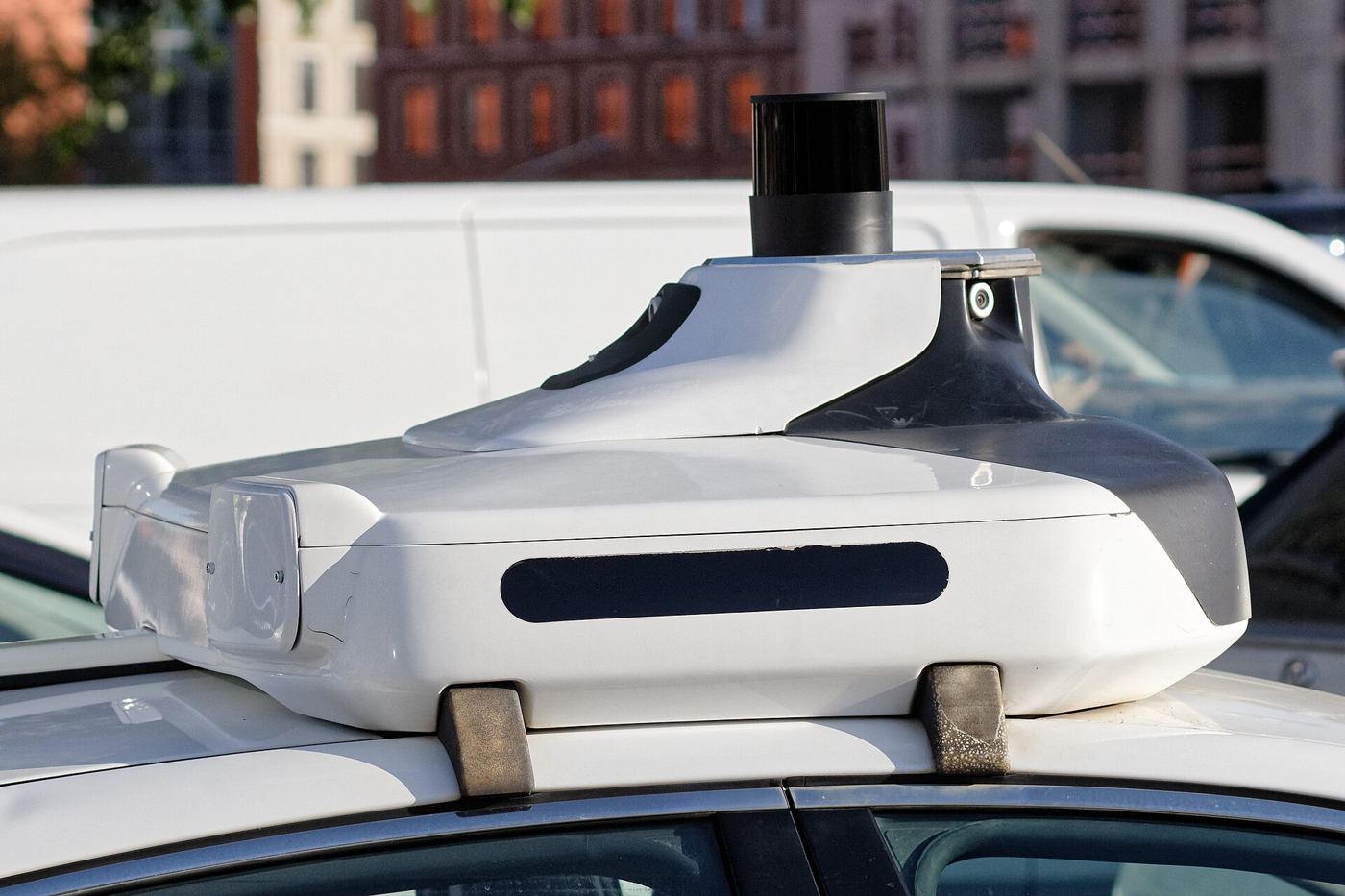
Self-driving cars rely on cameras and radar to see the road, but fog, rain and darkness can blind them, and LiDAR sensors are the technology meant to fill that gap. LiDAR fires rapid pulses of laser light and measures how long each pulse takes to bounce back, building a detailed three-dimensional map of everything around the car. The newest sensors work at wavelengths that cut through mist better than ordinary light, and they can spot a pedestrian, a cyclist or a stopped vehicle in conditions where a camera sees only grey. Engineers are pairing LiDAR with radar and cameras, so each sensor covers the others’ weaknesses and the car keeps a reliable picture of the road. Costs have fallen sharply, with sensors that once cost as much as a car now priced for mass production. Yet fog remains a hard test, since dense water droplets scatter the laser pulses, and researchers are still improving the software that filters that noise. For driverless cars to earn trust in bad weather, LiDAR will be central.
What the Evidence Shows
Making LiDAR work in fog is as much a software problem as a hardware one. Engineers train the system on thousands of foggy drives, teaching it to tell the difference between a real obstacle and a cloud of scattered laser returns. Some systems use several sensors at different angles, so a patch of fog that confuses one may be clear to another. Testing happens in special chambers where engineers can dial fog up and down, repeating the same drive in conditions that nature rarely offers on demand. Regulators are watching closely, since a car that handles sunshine perfectly but fails in fog cannot be trusted on public roads. Carmakers say the goal is not perfection in every storm but a graceful response, slowing down and pulling over safely when visibility falls too far. As the sensors and software improve together, the foggy morning commute may one day be the safest drive of all. Reporting and analysis from sources such as Wired track the same developments, and specialists following LiDAR for self-driving cars say the direction is now consistent across independent lines of evidence.
The Wider Context
The wider context is an industry learning to ship capability and restraint together. Products built around LiDAR for self-driving cars now launch with safety evaluations, usage data and rollback plans as standard, because enterprise buyers and regulators ask for them in the first meeting. Companies that treated those questions as friction are discovering they have become the purchase criteria.
What Happens Next
What happens next for LiDAR for self-driving cars depends less on another breakthrough than on the unglamorous work of reliability, pricing and support. The buyers evaluating it now are not enthusiasts; they are operators with budgets and auditors, and their checklists will decide the timeline. On the evidence of the current pilots, the technology has earned the right to be judged by them. You can follow related developments in our coverage of technology.
None of this will be settled by a single announcement, study or product launch. The pattern to watch is accumulation: independent confirmations, honest reporting of failures and steady improvement in the underlying numbers. Readers who follow those signals, rather than the loudest claim of the week, will understand this subject better than most of the commentary surrounding it suggests is possible.
