

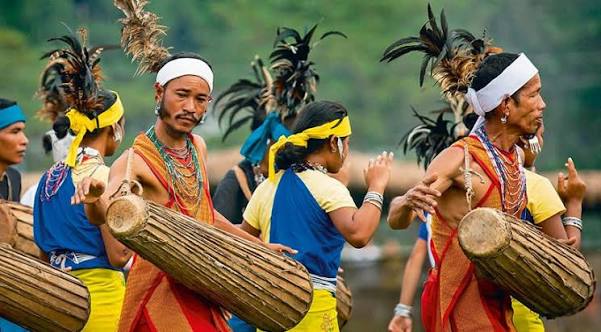
Shillong, Meghalaya: Meghalaya’s Teer tradition is rooted in the Khasi community’s connection with archery. Behind the numbers are bamboo bows and skills passed between generations. Teer also involves betting, but its history makes more sense when the sport, the people and the financial activity are considered together.
Websites such as Morningsundeyteer publish Teer information and round outcomes, bringing the subject to readers outside Meghalaya. A digital update captures only part of the picture. Learning where the tradition comes from helps readers see the archers and community life behind the figures, rather than treating the activity as numbers alone.
The History of Meghalaya’s Teer Tradition
The roots of Khasi archery reach further back than online Teer coverage. Yale’s Human Relations Area Files catalogues a study published in 1925 that describes bows, arrows, contests, rituals and songs. This does not establish a single starting date for Teer. It does show that archery had a documented cultural setting before smartphones and websites.
World Archery recounts a Khasi origin story involving a mother, her sons and arrows marked differently to tell them apart. This oral tradition expresses a community’s relationship with archery, rather than proving when it began.
Traditional Bamboo Equipment and Family Learning
The Khasi bamboo bow is called ka ryntieh. Bamboo arrows also appear in World Archery’s account. In Teer, preparing and using equipment connects practical craft knowledge with the skill needed to shoot accurately.
Family learning helps sustain the Teer story. An Associated Press report published by ABC News describes Matias Jyrwa learning through watching his father and later teaching his sons. Teer’s cultural background includes such personal experiences.
Village Archery and Community Participation
Village contests can differ from the urban event. The same report describes a small target mounted on a stick and phawar, verses composed to unsettle opponents. These variations show why every archery contest should not be described as an identical version of Teer. The table below brings these features together, showing how equipment, people and communication shape the tradition in different ways.
| Aspect | What It Involves | Cultural Link |
| Khasi roots | Archery practised across generations | Local identity and heritage |
| Historical record | A 1925 study describes archery, rituals and songs | Evidence of an older cultural setting |
| Bamboo equipment | Bows and arrows made from bamboo | Craft knowledge and sporting skill |
| Family learning | Parents teaching archery to their children | Skills passed between generations |
| Village contests | Small targets in some local competitions | Variation within archery traditions |
| Phawar | Short verses composed during contests | Sport linked with spoken performance |
| Community roles | Archers, officials and spectators | Shared participation at the ground |
| Digital coverage | Events shared through livestreams | Wider access to local activity |
Teer brings archers, officials and spectators together at the ground. World Archery describes participants from different clubs. Shooting, overseeing proceedings and counting arrows involve distinct roles within the same organised event.
The game has a commercial side too. Betting counters and the people working at them form part of the present day setting. That connection should be stated clearly in cultural coverage. Skill with a bow belongs to the archer; predicting a number is a different matter. Respect for a tradition does not make financial losses less possible.
Teer and Meghalaya’s Cultural Identity
Teer’s wider setting matters too. Meghalaya is home to Khasi, Jaintia and Garo communities, with varied histories and practices. East Khasi Hills district’s cultural account describes music, clothing and family customs alongside other aspects of life. Teer belongs within this larger picture. It cannot, by itself, represent every community or explain the state’s whole cultural identity.
Digital access has changed how audiences encounter Teer. Rest of World documented the move from people relaying information by landline to watching events through livestreams. This shift has made the activity visible beyond the ground. A reader can now encounter Teer without seeing the setting in person, making clear explanations of local context useful.
Respectful Visits and Digital Information
For visitors interested in Teer’s cultural background, watching should begin with respect for the people present. Ask organisers about access, remain outside shooting areas and seek permission before photographing individuals. There is no need to place a bet to appreciate archery. Listening to local explanations can make the visit more informative than arriving with assumptions about a community’s customs.
Teer also appears across the wider web, with references such as Shillong Morning Teer forming part of that online landscape. Readers should check dates and sources when using digital information. Published updates, historical accounts and number predictions serve different purposes. Keeping those distinctions clear helps preserve the cultural context of Teer as its online audience grows.
Preserving Archery for Future Generations
The future of Meghalaya’s Teer tradition depends on more than continued attention to numbers. Recording archers’ memories, explaining equipment and making room for local voices can leave a fuller account for future readers. A careful view of Teer recognises its archery roots and betting connection while keeping the people who carry the tradition forward at the centre.
