

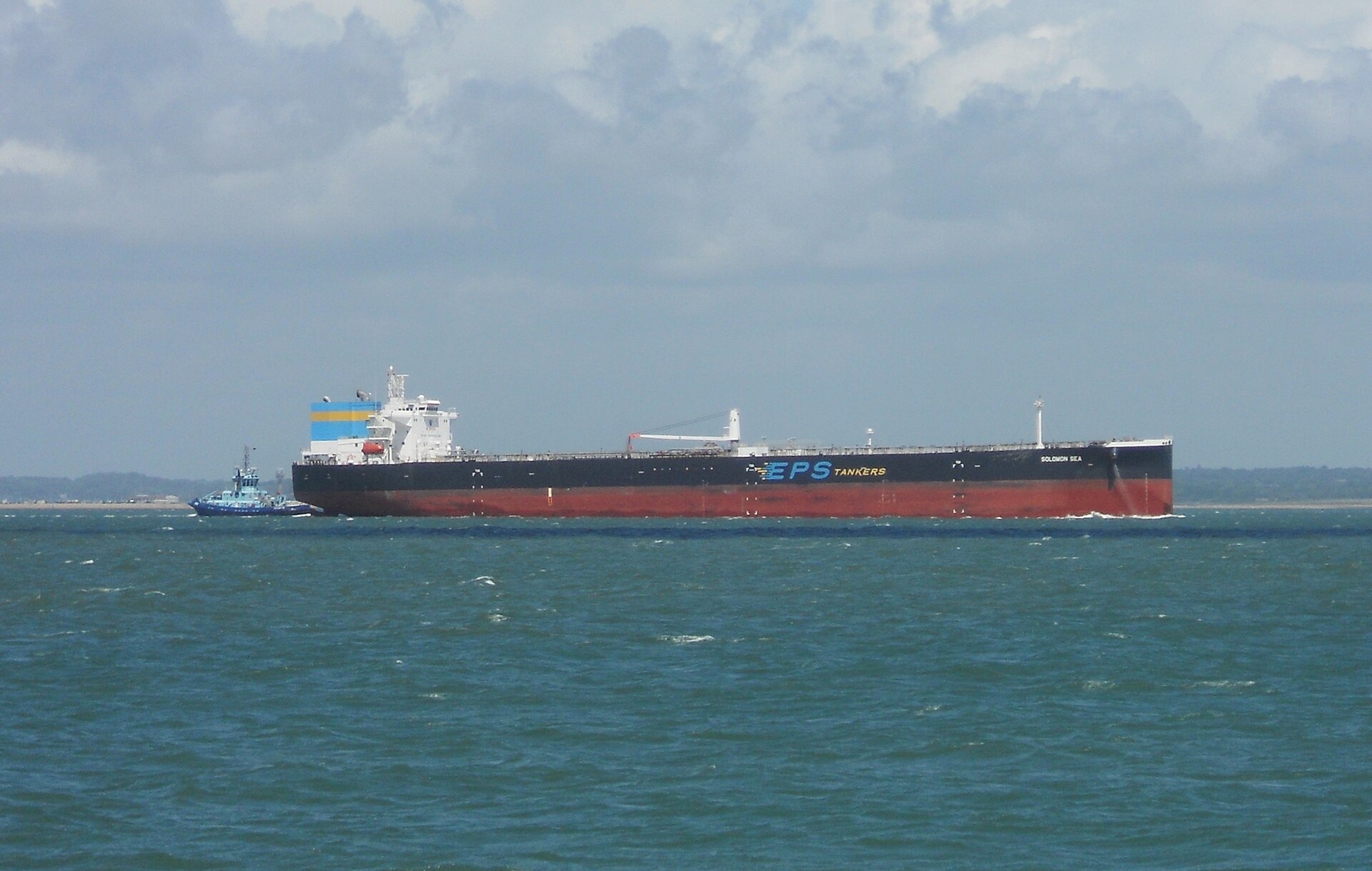
Crude oil prices have surged after an attack on tankers in the Strait of Hormuz, the narrow waterway through which about a fifth of the world’s oil supply passes. Iran’s Revolutionary Guard navy reported three tankers on fire following limpet-mine strikes, in an escalation that immediately revived fears about global energy supplies. Our finance and markets coverage examines the market reaction.
The World’s Most Important Chokepoint
The Strait of Hormuz, between Iran and Oman, is the single most consequential passage in global energy: crude from Saudi Arabia, Iraq, Kuwait, the UAE and Iran itself transits it daily, alongside large volumes of liquefied natural gas. Even a partial disruption pushes prices higher within hours, because spare capacity and alternative routes are limited.
Shipping companies responded cautiously, with some operators pausing transits or seeking naval escort information while insurers reassessed war-risk premiums. The attack follows a period of heightened Iran-related tension that has kept a geopolitical premium embedded in crude prices for months.
Oil Prices: Market Reaction and the Outlook
Brent crude traded near $118 a barrel in early reaction to the news, and energy shares were among the market’s strongest performers, cushioning stock indexes during an otherwise tech-led sell-off. Oil majors Exxon and Chevron, reporting earnings the same week, both benefited from the firm price environment, as their results showed.
Analysts caution that Hormuz spikes often fade if physical flows continue — the market prices fear first and facts later. As daily market wraps noted, traders will watch tanker-tracking data for evidence of actual delays before deciding whether this is a headline shock or a genuine supply event.
Why Governments Are Watching Closely
Sustained high oil prices feed directly into inflation, complicating the Federal Reserve’s already delicate position and squeezing households at the petrol pump. Western governments hold strategic reserves precisely for such moments, and releases from those stockpiles are the most likely policy response if prices stay elevated.
For the Gulf states whose exports transit the strait, the stakes are existential, and their diplomacy — including mediation efforts involving Qatar and others — is aimed at preventing exactly this kind of escalation. Until the waterway is demonstrably safe again, energy markets will trade on every headline from the strait.
The Hormuz attack is a reminder that the global economy’s most important number — the oil price — can be moved in minutes by events in a channel just 33 kilometres wide. How long the premium lasts depends on whether the tankers keep moving.
