

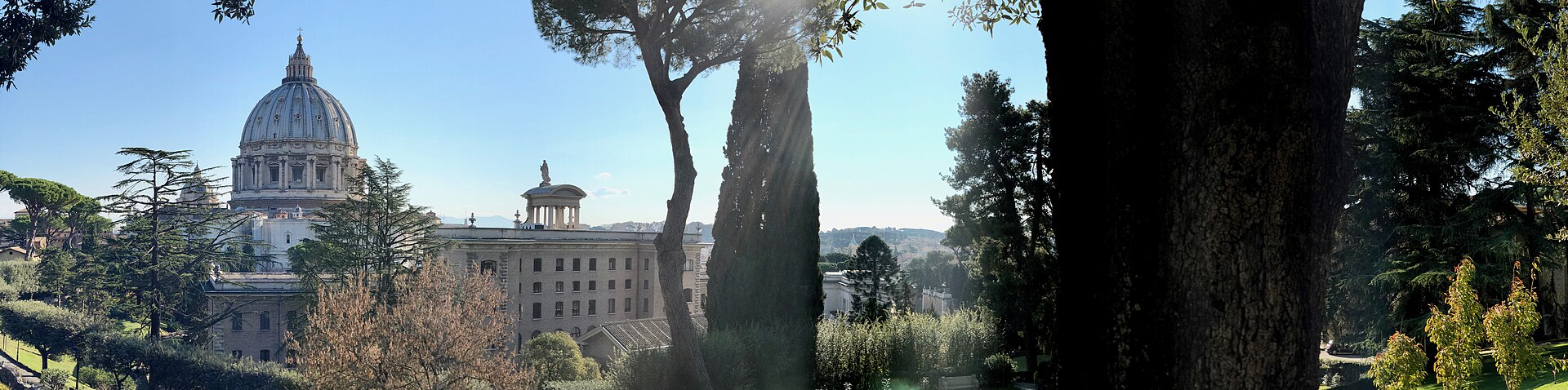
Pope Leo XIV has made a small piece of electoral history by becoming the first pontiff to vote in a United States election. Born in Chicago, the pope cast a mail-in ballot for the Illinois midterms, exercising a right he holds as an American citizen even while serving as head of the Roman Catholic Church. The story has drawn wide attention in our politics and world coverage and far beyond the Vatican’s walls.
A Chicagoan on the Throne of St Peter
Leo XIV’s election was itself historic: he is the first pope born in the United States. His upbringing in Chicago and his long missionary service abroad have given his papacy an unusually transatlantic character, and his decision to vote has been read as a quiet affirmation that civic participation and religious leadership need not be mutually exclusive.
Vatican officials have not commented on how the pope voted, and the ballot itself is, of course, secret. What is public is the fact of participation: a serving pontiff, sovereign of the Vatican City State, taking part as an ordinary absentee voter in the local contests of his home state.
Why Pope Leo XIV’s Vote Matters Symbolically
Popes traditionally stand above national politics, and previous pontiffs who held citizenship elsewhere did not take part in their home countries’ elections while in office. Leo’s ballot therefore breaks a long-standing informal convention, even if canon law and Vatican practice place no formal barrier in his way.
Commentators are divided on the symbolism. Supporters say a pope who votes models the civic duty the Church encourages among the faithful. Critics wonder whether the gesture blurs a line that kept the papacy visibly neutral. Coverage of the reaction is gathered in world news roundups following the story.
The Midterms He Voted In
The Illinois ballot forms part of a midterm season being watched closely around the world, with control of Congress and several governorships in play. Turnout among absentee and mail-in voters has been a major theme of the campaign, as has the influence of online political content — including reports of foreign-linked accounts posing as American voters on social platforms.
Against that backdrop, the pope’s participation is a footnote in electoral terms but a headline in human ones: the most prominent religious leader on earth, filling in a ballot like millions of his fellow citizens.
Whether it proves a one-off or the start of a new convention, Pope Leo XIV’s vote has added an unexpected chapter to the long relationship between the Vatican and American democracy — and reminded observers that even popes remain citizens of somewhere.
