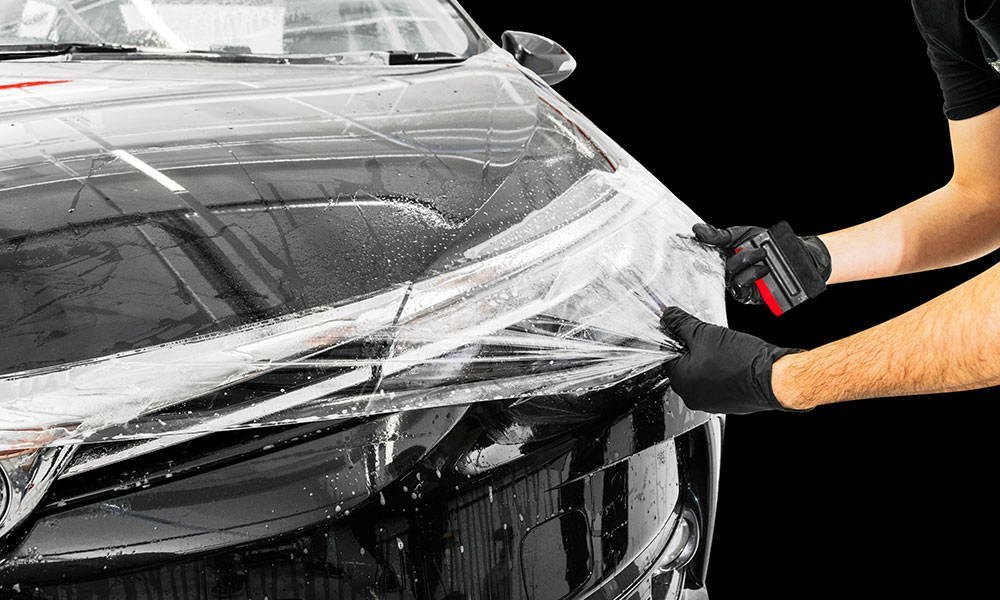
If you own a car in a city like Delhi, you already know how quickly the exterior can start showing wear. Dust, traffic scratches, bird droppings, harsh sunlight, and random parking scrapes all take their toll sooner than expected. That’s why more and more car owners are using paint protection film Delhi services: to keep their cars looking newer for longer without having to repaint or polish them all the time.
This guide tells you what PPF does, why it’s especially useful in Delhi, and how to keep it in good shape after it’s been put in.
Why PPF Makes Sense in Delhi’s Driving Conditions
Delhi’s environment is unusually tough on car paint. There’s fine construction dust in the air, extreme summer heat, winter pollution residue, and tightly packed traffic where minor bumper-to-bumper contact is common. Even careful drivers can’t avoid all of this.
A good quality PPF in a car acts like an invisible shield. It absorbs light scratches, prevents oxidation from UV exposure, and stops contaminants from bonding directly with the paint layer. Over time, that protection means fewer swirl marks, less fading, and better resale value.
Many owners only realise the benefit after comparing panels with and without film months later; the protected areas still retain their gloss, while unprotected paint begins to look dull.
What Exactly Does Paint Protection Film Do?
PPF is a transparent, flexible polyurethane layer applied over painted surfaces. It’s designed to be impact-resistant and self-healing in mild heat. So when light scratches appear, they often disappear with warmth from the sun or hot water.
In practical terms, that means protection against:
- Road debris and small stone chips
- Key scratches or nail marks near handles
- Bird droppings and tree sap staining
- Hard water spotting
- UV-induced fading
When installed well, the film is nearly invisible. The car still looks factory-painted, just better preserved.
Areas of the Car That Benefit Most
Full-body PPF is the best option, but many Delhi drivers choose partial coverage based on how much they drive and how much they can afford. The most protected parts are:
- Front bumper and hood
- Fog lights and headlights
- Mirrors on the side
- Edges of doors and handle cups
- Lip for loading boots
These areas get the most wear and tear from driving in the city every day. Even partial protection here makes wear much less visible.
Installation Quality Matters More Than Film Brand
The quality of the installation is more important than the brand of film.
People often forget that how well PPF works depends a lot on how well it is installed. If the edges aren’t lined up right, dust gets stuck, or the stretching isn’t even, the edges may peel or bubbles may form later.
That’s why professional detailing shops like Motorprotek pay as much attention to preparing the surface as they do to putting on the film. Before installation, paint must be cleaned, polished, and free of contaminants. Otherwise, flaws will be permanently sealed under the film.
Good installers also wrap the edges whenever they can so that the film stays hidden and is less likely to come up.
Maintenance After Getting PPF on Car
A common misconception is that once PPF is installed, maintenance isn’t needed. In reality, the film protects paint, but still needs basic care to stay clear and glossy.
Here’s what actually helps:
1. Gentle washing only
Avoid harsh detergents or roadside brushing. Use pH-neutral car shampoo and soft microfiber mitts.
2. Don’t pick edges
If you notice a corner lifting, resist pulling it. Have it inspected professionally. Small issues are easily fixed early.
3. Remove contaminants quickly
Bird droppings and tree sap should still be cleaned promptly. While PPF resists staining, prolonged exposure can mark the film surface.
4. Avoid abrasive polishing
Unlike paint, PPF shouldn’t be machine-polished aggressively. Light finishing products are safe if needed.
5. Occasional top-coat protection
Ceramic or sealant layers designed for PPF help maintain slickness and gloss, especially in polluted environments like Delhi.
How Long Does PPF Last in Delhi?
With the right care, high-quality paint protection film lasts about 5 to 7 years in normal Indian conditions. The intensity of exposure matters: cars that are parked outside all the time may age a little faster than cars that are kept in a garage.
The most important thing to remember is that the film can be taken off and put back on without damaging the original paint. That’s much better than repainting panels, which can change how well colours match and how people see the resale value.
Is PPF Worth the Cost?
For a lot of owners, the choice comes down to long-term value instead of the price up front. Think about how much it will cost to fix the paint, polish it, or repaint the panels over the course of several years. PPF is often cheaper and keeps the factory finish intact.
- If you do it, it’s especially worth it if:
- The car is new or has been painted recently.
- The colour is dark, which makes scratches more visible.
- You want to keep the car for a long time.
- You want it to be easier to sell.
Conclusion
Delhi driving exposes vehicles to constant cosmetic damage, even with careful use. Paint protection film doesn’t make a car indestructible, but it significantly reduces visible wear and preserves the original finish in a way traditional waxing never could.
With proper installation and simple maintenance habits, paint protection film Delhi services offer one of the most practical upgrades for urban car owners today. Whether you choose full-body coverage or high-impact zones only, a well-applied PPF on car keeps your vehicle looking closer to showroom condition for years, not months.