

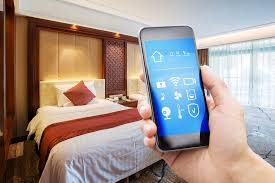
In 2025, U.S. hotels are navigating a high-cost, labour-constrained environment. Rising wages, ongoing staffing shortages, and growing guest expectations have made traditional staffing solutions less sustainable. For many properties, hiring more staff to meet operational demands is no longer viable. Instead, hotels are turning to technology to automate hotel management, streamline processes, and maintain high-quality service without expanding their teams.
Automation allows hotels to handle larger volumes of guests, bookings, and service requests without inflating payroll. From check-in and housekeeping to energy management and guest communication, smart systems are transforming how hotels operate. According to the American Hotel & Lodging Association (AHLA, 2025), over 65% of U.S. hotels continue to face staffing challenges, making automation a critical solution.
This article explores practical ways U.S. hotels can automate daily operations without increasing staff, improving efficiency, reducing costs, and enhancing guest satisfaction.
Automating Front Desk Operations
The front desk is traditionally the most labour-intensive area of any hotel, responsible for check-ins, check-outs, guest requests, billing, and reservations. Automation has revolutionized this workflow, allowing hotels to handle more guests with fewer staff.
Self-service kiosks and mobile check-in apps enable guests to bypass queues and complete the check-in/check-out process digitally. Digital room keys reduce manual key issuance, while automated billing and ID verification eliminate repetitive paperwork. By streamlining front-desk operations, hotels can reduce staffing needs during peak hours and redirect personnel to more personalized guest interactions.
Hotels implementing these solutions report significant improvements in speed and accuracy. For example, studies show self-service check-in/check-out kiosks and mobile keys reduce lobby congestion by up to 50%, enhancing the guest experience while lowering labour requirements.
Housekeeping Automation for Increased Efficiency
Housekeeping often accounts for one of the largest operational costs in hotels. Manual task assignment, room status updates, and inventory tracking are time-consuming and prone to errors. Automation simplifies this process.
Smart housekeeping systems provide real-time room status updates, automatically assign cleaning tasks, and generate maintenance alerts. Predictive scheduling tools optimize staffing based on occupancy, ensuring that housekeeping teams can cover more rooms efficiently without additional hires. Linen and supply management can also be automated, with low-stock alerts and vendor integrations reducing waste and avoiding over-ordering.
By automating hotel management in housekeeping, hotels maintain room readiness, improve service consistency, and reduce supervisory and staffing overheads.
Guest Communication and Service Automation
A large portion of hotel staff time is spent responding to repetitive guest inquiries: Wi-Fi access, room service hours, restaurant timings, or reservation confirmations. Automation can dramatically reduce this workload.
AI-powered chatbots, automated email and SMS notifications, and digital concierge platforms allow hotels to provide instant responses to hundreds of guests simultaneously. Booking confirmations, billing updates, and service alerts can all be delivered automatically, freeing staff for higher-value tasks.
By automating hotel management in guest communications, hotels enhance response speed, reduce errors, and deliver a seamless experience — all without increasing staff.
Energy Management Automation
Energy consumption is a major overhead for U.S. hotels. Automation allows properties to optimize energy use without manual intervention, reducing utility costs.
Smart thermostats, occupancy sensors, motion-based lighting, and centralized HVAC controls adjust energy usage based on real-time occupancy. Rooms that are unoccupied automatically consume minimal power, while common areas are monitored for optimal efficiency.
Hotels adopting energy management automation report double-digit reductions in electricity and water costs annually, demonstrating how technology reduces overhead without additional staff involvement.
Automating Payroll and Staff Scheduling
Managing schedules, attendance, and payroll manually is both labour-intensive and prone to errors. Automated systems simplify this process, allowing hotels to reduce HR workloads while maintaining accurate records.
With biometric or app-based attendance tracking, automated shift scheduling based on occupancy forecasts, and real-time payroll calculations, hotels can prevent overstaffing, minimise overtime costs, and ensure compliance with wage laws.
Automation allows HR teams to manage larger workforces without expanding personnel, directly lowering administrative overhead.
Inventory and Procurement Automation
Inventory and procurement inefficiencies from food wastage to overstocking linen and supplies — increase operational costs. Automation transforms inventory into a data-driven system, eliminating guesswork.
Smart procurement tools track real-time stock levels, generate low-stock alerts, automatically place orders with preferred vendors, and monitor expiry dates. By integrating inventory with occupancy trends and demand forecasts, hotels reduce waste and prevent unnecessary purchases.
Automating hotel management in inventory control not only cuts costs but also ensures optimal stock availability with the same staff.
Revenue Management and Dynamic Pricing Automation
Revenue optimization traditionally requires dedicated staff to monitor room rates, competitor pricing, and booking patterns. AI-driven revenue management systems automate this process, updating room rates in real-time based on demand, seasonality, and market trends.
These systems also sync inventory across online travel agencies (OTAs) and direct booking platforms, preventing overbooking and missed revenue opportunities. Hotels leveraging automated pricing protect revenue while reducing dependency on manual oversight, which further limits the need for additional staff.
Why U.S. Hotels Are Embracing Automation in 2025
Several factors are driving the rapid adoption of automation across the U.S. hospitality industry:
- Rising minimum wages and labor shortages make hiring expensive and challenging
- Guest expectations for faster, more personalized service
- Competitive pressure from short-term rentals and tech-enabled hospitality startups
- Rising operational costs in utilities, housekeeping, and back-office processes
Adding staff is no longer a sustainable solution. Hotels that choose to automate hotel management can reduce operational overheads, improve efficiency, and maintain service quality without expanding teams.
Conclusion
In 2025, automation is not about replacing people; it’s about enabling U.S. hotels to operate smarter, leaner, and more profitably. From front-desk operations and housekeeping to energy management, guest communication, payroll, inventory, and revenue optimization, technology empowers hotels to handle more with the same workforce.
Hotels that implement automated hotel management gain tighter cost control, faster operations, improved guest satisfaction, and long-term sustainability. Those that delay risk being burdened with rising labor costs and shrinking margins.
The message is clear: to stay competitive and profitable in today’s hospitality landscape, U.S. hotels must automate hotel management across all operational layers.
