

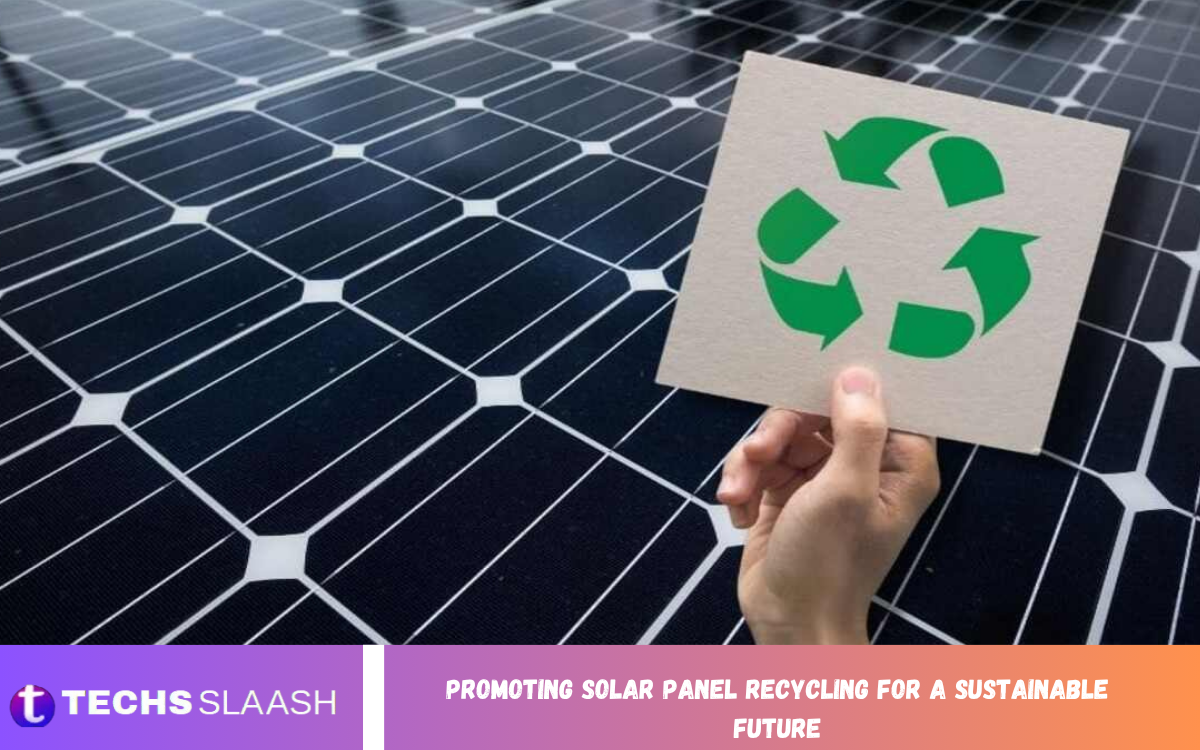
Solar energy has become one of the fastest-growing renewable energy sources worldwide. Homes, businesses, and industries are increasingly installing solar panels to reduce electricity costs and lower carbon emissions. While these systems provide clean energy for decades, every solar panel eventually reaches the end of its operational life. As global solar installations continue to rise, managing discarded panels responsibly has become a critical environmental challenge.
Why Solar Panel Recycling Matters?
Solar panels are designed to support environmental sustainability, but improper disposal can create long-term waste management problems. Although many components are recyclable, sending panels to landfills wastes valuable resources that could be recovered and reused.
Promoting Solar Panel Recycling for a Sustainable Future strengthens environmental protection by reducing mining activities and conserving natural resources. Recycling also lowers greenhouse gas emissions associated with manufacturing new materials, making renewable energy even more sustainable.
Environmental Benefits of Recycling Solar Panels
Recycling reduces the demand for extracting virgin materials such as aluminum, copper, and silica. Mining operations consume large amounts of energy while causing habitat destruction and pollution. Recovering these materials through recycling helps preserve ecosystems.
Proper recycling also prevents hazardous substances from entering soil and groundwater. Although most modern solar panels are safe, responsible disposal minimizes environmental risks while supporting cleaner waste management practices for future generations.
Valuable Materials Recovered from Solar Panels
Solar panels contain several highly valuable materials that can be reused in manufacturing. Glass represents nearly 70 percent of a standard panel and can be recycled into new glass products or construction materials.
Aluminum frames, copper wiring, silicon cells, and small amounts of silver are also recoverable. These materials reduce manufacturing costs while supporting sustainable production processes across multiple industries.
The Growing Need for Solar Panel Recycling
Global solar installations have expanded rapidly during the past two decades. Millions of new panels are added every year as countries transition toward renewable energy and cleaner electricity generation.
This rapid expansion means that future solar waste volumes will increase significantly. Building efficient recycling infrastructure today prepares industries and governments for managing large quantities of retired panels responsibly.
Challenges Facing Solar Panel Recycling
One major challenge is the limited availability of specialized recycling facilities. Many regions still lack dedicated plants capable of processing photovoltaic panels efficiently and economically.
Transportation costs, collection systems, and inconsistent recycling regulations also slow industry growth. Overcoming these barriers requires stronger collaboration between governments, manufacturers, and recycling companies.
Technological Advances in Solar Panel Recycling
Innovative recycling technologies continue improving recovery rates while reducing processing costs. Automated separation systems can efficiently extract glass, metals, and semiconductor materials from used solar panels.
Advanced chemical and thermal recycling methods recover high-purity silicon and precious metals. These innovations increase recycling efficiency while making recovered materials suitable for manufacturing new solar panels.
The Role of Manufacturers
Manufacturers play a vital role in designing products that are easier to recycle. Eco-friendly panel designs simplify material separation, reducing recycling costs and improving recovery efficiency.
Many manufacturers are adopting extended producer responsibility programs. These initiatives encourage companies to collect expired panels and ensure environmentally responsible recycling throughout the product lifecycle.
Government Policies Supporting Recycling
Governments worldwide are introducing regulations to improve electronic waste management, including photovoltaic panel recycling. These policies encourage proper disposal while reducing illegal dumping and landfill waste.
Financial incentives, recycling targets, and mandatory producer responsibility programs promote investment in recycling infrastructure. Strong regulations accelerate industry development and support long-term sustainability goals.
Read Also: Reliable UV Water Treatment Systems
Economic Benefits of Solar Panel Recycling
Solar panel recycling creates employment opportunities across collection, transportation, processing, and manufacturing sectors. As recycling capacity expands, skilled jobs continue growing within the green economy.
Recovered materials reduce production expenses by replacing costly virgin resources. Manufacturers benefit from stable material supplies while consumers gain access to more affordable renewable energy technologies.
Supporting the Circular Economy
A circular economy focuses on keeping materials in continuous use instead of discarding them after one lifecycle. Solar panel recycling perfectly aligns with this sustainable economic model.
Recovered glass, metals, and silicon become valuable raw materials for manufacturing new products. This approach minimizes waste while maximizing resource efficiency across renewable energy industries.
Consumer Responsibility in Recycling
Consumers should choose certified recycling services when replacing old solar panels. Responsible disposal prevents environmental damage while ensuring valuable materials are recovered properly.
Homeowners and businesses can also purchase products from manufacturers offering recycling programs. Supporting environmentally responsible companies encourages sustainable business practices across the solar industry.
Business Opportunities in Solar Recycling
The growing volume of retired solar panels presents significant investment opportunities. Recycling facilities, logistics providers, and technology developers can benefit from expanding market demand.
Entrepreneurs can develop innovative collection systems, advanced recycling technologies, and material recovery solutions. These businesses contribute to environmental protection while generating sustainable economic growth.
Public Awareness and Education
Many people remain unaware that solar panels can be recycled. Public education campaigns help consumers understand proper disposal methods and environmental benefits.
Schools, community organizations, and renewable energy companies can promote awareness through educational programs. Increased knowledge encourages responsible recycling behaviors and stronger public participation.
International Collaboration
Solar panel recycling is a global challenge requiring international cooperation. Countries can share best practices, recycling technologies, and policy frameworks to improve waste management systems.
Collaborative research also accelerates innovation in material recovery and recycling efficiency. Global partnerships support sustainable development while strengthening renewable energy industries worldwide.
Future Trends in Solar Panel Recycling
Artificial intelligence, robotics, and automation will transform recycling operations in the coming years. Smart technologies improve sorting accuracy, reduce labor costs, and maximize material recovery rates.
Future panel designs will likely prioritize recyclability from the manufacturing stage. These innovations support sustainable production while making recycling faster, cheaper, and more environmentally friendly.
Frequently Asked Questions
What is solar panel recycling?
Solar panel recycling is the process of recovering valuable materials such as glass, aluminum, silicon, copper, and silver from retired photovoltaic panels for reuse.
Why is solar panel recycling important?
It reduces landfill waste, conserves natural resources, lowers greenhouse gas emissions, and supports a sustainable circular economy.
How long do solar panels last?
Most modern solar panels operate efficiently for approximately 25 to 30 years before requiring replacement.
Can every part of a solar panel be recycled?
Most components, including glass, aluminum, copper, and silicon, can be recovered and recycled using modern technologies.
Are old solar panels hazardous?
Most solar panels are safe when handled correctly, but proper recycling prevents potential environmental contamination and ensures responsible material recovery.
Who is responsible for recycling solar panels?
Manufacturers, governments, recycling companies, businesses, and consumers all share responsibility for proper solar panel recycling.
Does recycling reduce manufacturing costs?
Yes. Recovered materials reduce dependence on virgin resources, lowering production costs and improving supply chain sustainability.
What materials are most valuable in recycled panels?
Glass, aluminum, copper, silicon, and silver are among the most valuable materials recovered during recycling.
How can homeowners recycle old solar panels?
Homeowners should contact certified solar recycling facilities, installers, or manufacturers that provide take-back and recycling programs.
What is the future of solar panel recycling?
Advances in automation, artificial intelligence, and improved recycling technologies will increase recovery rates while making recycling more efficient and cost-effective.
Conclusion
Promoting Solar Panel Recycling for a Sustainable Future is essential for maximizing the environmental benefits of renewable energy. Recycling preserves valuable resources, reduces landfill waste, lowers carbon emissions, and strengthens the circular economy. As global solar installations continue expanding, responsible end-of-life management will become increasingly important.
Governments, manufacturers, businesses, and consumers must work together to build efficient recycling systems and invest in innovative technologies.
