

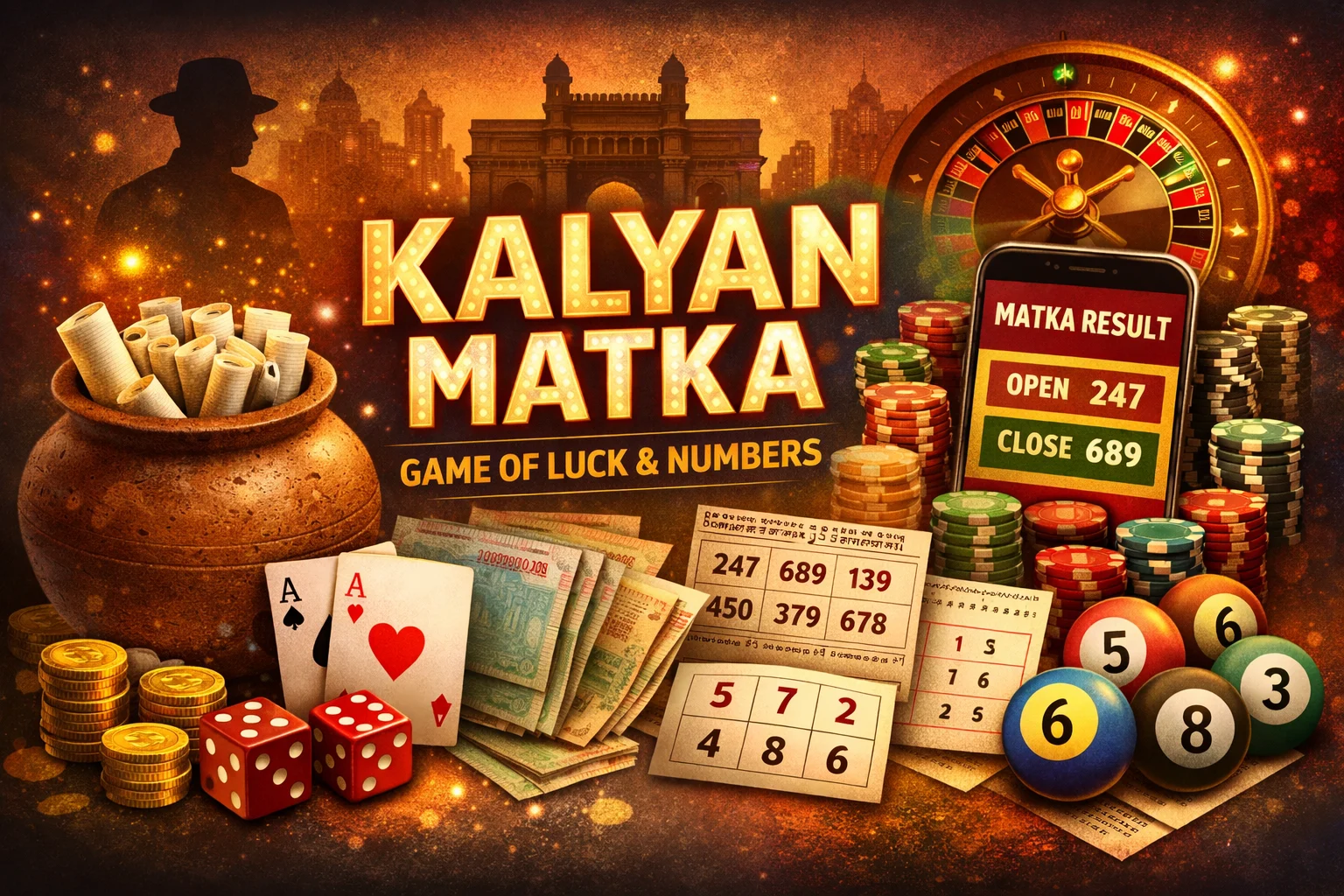
Satta matka has remained a widely discussed topic in India for decades. Known for its unique number-based system and deep cultural roots, it has evolved from a local activity into a subject connected with history, law, media, and public conversation. While many people recognize the name, fewer understand how satta matka developed over time and why it still attracts attention in modern society.
Today, satta matka is often viewed as part of India’s urban history and social transformation. From old marketplace traditions to digital communication trends, the journey of satta matka reflects how communities adapt to changing times. Understanding this background helps readers see its broader influence beyond simple entertainment or speculation.
The Historical Beginning of Satta Matka
The origins of satta matka can be traced back to the 1950s in Mumbai. During that period, traders and workers followed cotton exchange rates that were shared between international and local markets. People began predicting numerical outcomes linked to these rates, creating an informal system of number selection.
When the original exchange process stopped, alternative methods were introduced to continue the activity. Numbers were written on slips of paper and placed inside a clay pot, commonly called a “matka.” A random number would then be selected, creating the foundation of the modern satta matka system.
Over time, this method gained popularity in different regions because it was simple, fast-paced, and easy for people to understand. The format soon became recognized across several Indian cities and neighborhoods.
How Satta Matka Became Part of Popular Culture
One reason Satta Matka became widely known was its presence in everyday conversations and local communities. In many urban areas, people discussed number predictions, trends, and results as part of social interaction.
Indian cinema and television also contributed to its popularity. Many films portrayed stories connected with local markets, underground networks, and fast-changing city life, where satta matka appeared as a background element. These portrayals helped turn the term into a familiar cultural reference for audiences across the country.
The language and symbols associated with satta matka gradually became part of street culture and public storytelling. Even individuals who never participated often recognized the terminology because of its visibility in media and social discussions.
The Impact of Technology on Satta Matka
Technology has significantly changed the way information related to satta matka is shared. In earlier decades, updates and results were communicated through local centers and word-of-mouth networks. Today, mobile devices and digital communication platforms allow information to spread almost instantly.
This shift has transformed satta matka from a localized activity into a more connected digital phenomenon. Social media channels, messaging groups, and websites now play a role in sharing updates, predictions, and discussions among interested audiences.
The digital transition also reflects a broader trend in India, where traditional systems are increasingly influenced by technology and online communication.
Public Perception and Social Discussion
Public opinion about satta matka varies widely. Some people see it as part of historical urban culture, while others associate it with financial risks and legal concerns. This difference in perception has kept the topic relevant in public debate for many years.
In some communities, satta matka is viewed as an example of how informal systems can grow rapidly through public participation and local interest. In other cases, discussions focus on the importance of awareness, responsibility, and understanding the consequences of excessive involvement.
Social experts often point out that economic pressure and the desire for quick financial improvement can influence why certain activities gain popularity. This makes satta matka not only a cultural topic but also a reflection of broader social conditions.
Legal Awareness and Regulation
Different Indian states have different laws regarding activities connected with satta matka. Authorities continue to monitor and regulate unauthorized operations through legal frameworks and enforcement measures.
At the same time, legal discussions around gaming, digital platforms, and online activities continue to evolve in India. As technology advances, lawmakers face new challenges related to monitoring digital communication and maintaining public awareness.
For this reason, many experts encourage people to stay informed about regional laws and avoid participating in unauthorized activities. Legal awareness remains an important part of responsible decision-making in the digital age.
The Influence on Local Communities
Satta matka has had a noticeable influence on local communities over the years. In some areas, it became part of neighborhood identity and public interaction. Small groups gathered to discuss number patterns, predictions, and daily updates, creating a sense of shared curiosity.
However, community leaders and social organizations also emphasize the importance of balance and informed choices. Awareness campaigns often focus on financial planning, education, and long-term stability instead of relying on uncertain outcomes.
These discussions highlight the importance of encouraging healthier economic opportunities and promoting practical financial habits among younger generations.
Why the Topic Still Matters Today
Even after decades, satta matka continues to attract attention because it represents more than a historical number system. It reflects social change, technological adaptation, urban culture, and the evolving relationship between tradition and modern communication.
Researchers, journalists, and cultural observers often study satta matka as part of India’s broader social history. Its continued visibility demonstrates how certain local traditions can remain relevant even as society changes around them.
The topic also encourages discussions about responsibility, regulation, and the role of public awareness in modern digital environments.
Conclusion
Satta matka remains an important part of India’s cultural and social narrative. From its origins in Mumbai’s trading environment to its modern digital presence, it has experienced significant transformation over the years. Its journey reflects changing technology, evolving public opinion, and the lasting influence of local traditions on modern society.
By understanding the history and social background of satta matka, readers can gain a clearer perspective on why it continues to be discussed across different communities in India today.
