

Creating an account on an unfamiliar website means sharing information and placing some trust in its operators. In the online gaming sector, that decision may involve identity details, payment methods, and a record of financial activity. A few basic security checks can reduce unnecessary exposure. They cannot remove every risk, but they help users avoid obvious warning signs before submitting sensitive information.
If a search leads to a brand such as sodo66, first inspect the address carefully. Similar-looking domains, extra characters, and misleading search advertisements can send visitors to imitation pages. A secure connection is important, but the padlock alone does not prove a business is legitimate. Confirm the site’s identity through multiple independent sources and check whether the operator provides verifiable contact and licensing information where required.
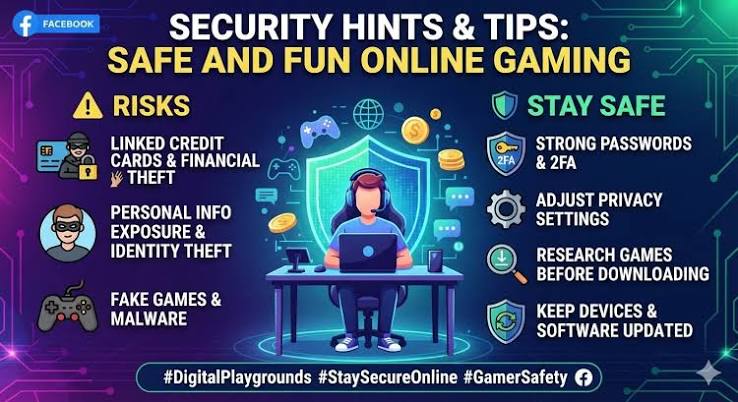
Password practices matter just as much as the website’s appearance. Use a unique password that is not shared with email, banking, or social accounts. If multifactor authentication is available, consider enabling it. Avoid saving credentials on shared devices, and be cautious of messages asking for login codes. Legitimate account recovery should not require revealing a one-time code to a stranger in a chat.
Privacy policies should answer concrete questions. What information is collected, why is it needed, how long might it be stored, and who can receive it? A vague policy full of general promises offers less reassurance than one with specific explanations. Users should also understand any identity-verification requirements before depositing funds, because unexpected requests can cause confusion later.
Payment security calls for separate attention. Check whether the methods listed are appropriate for your region and whether withdrawal terms are stated clearly. Do not transfer money to an individual’s account merely because someone claiming to be support asks for it. Screenshots of successful transactions or social-media endorsements are not substitutes for documented policies and verified support channels.
Support quality can be assessed without sharing private information. Look for an official help section, reasonable contact options, and answers that address actual questions. Be cautious when a supposed representative moves the conversation to an unrelated messaging account or asks for a password. Helpful support explains processes; it does not require users to surrender control of their accounts or devices.
Finally, recognize that security is an ongoing habit rather than a one-time checklist. Review account activity, update credentials when necessary, and stop interacting with suspicious messages. A responsible decision may be to leave a platform untested if essential details remain unclear. Protecting personal information is more valuable than rushing through registration for a promotional offer.
