

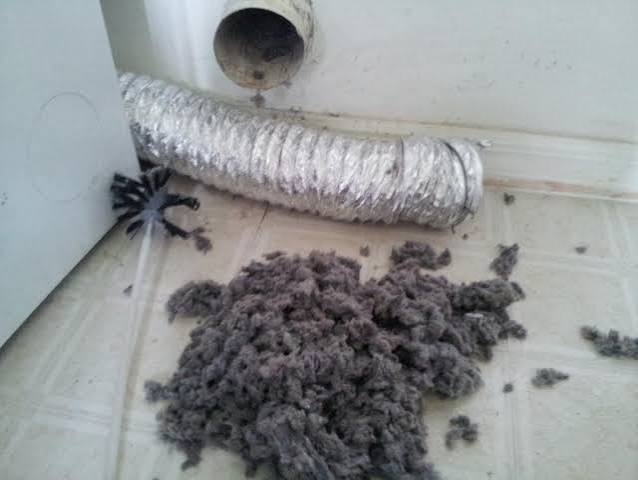
Every household relies heavily on modern laundry appliances to maintain smooth daily schedules. While washing machines get plenty of attention, the exhaust system attached to your laundry dryer quietly performs a crucial job every single day. This critical ventilation channel carries hot moisture and loose fabric particles safely out of your home. Over time, heavy lint buildup creates major blockages that jeopardize appliance performance and home safety. Scheduling timely clogged dryer vent repair prevents dangerous thermal hazards, reduces unnecessary utility expenses, and restores full drying efficiency to your laundry room.
Why Exhaust Passages Become Severely Obstructed
During every drying cycle, tumbling clothes shed thousands of microscopic fibers. Primary lint traps inside the door opening capture large clumps, but fine particles continuously bypass these screens. As warm, damp air moves through internal exhaust tubing, sticky moisture binds loose lint directly to the metallic walls.
Over months of continuous family laundry, thin coatings of lint transform into dense, thick obstructions. Damp lint acts like a magnet for additional fabric debris, rapidly restricting the internal diameter of the ventilation channel. Once airflow becomes restricted, thermal energy cannot escape freely, forcing the entire exhaust system to operate under unnatural pressure and extreme heat.
Ignoring minor ventilation restrictions allows lint deposits to completely close off exhaust passages. When air stops moving entirely, your appliance operates under dangerous conditions that threaten both the machinery and your home structure.
Major Warning Signs Your Dryer Passage Is Fully Clogged
Recognizing early warning signals prevents total mechanical breakdowns and eliminates dangerous thermal conditions. Modern appliances display clear signs when internal air channels become severely blocked:
- Clothes Taking Multiple Cycles to Dry: When a standard load of towels or jeans remains wet after sixty minutes, restricted airflow is preventing humid air from escaping properly.
- Appliance Casing Becoming Unusually Hot: Touching the top or sides of the machinery during operation should never burn your hand. Excessive exterior heat indicates trapped thermal energy inside restricted channels.
- Burning Odors Inside the Laundry Area: Strong, pungent smells resembling burning dust or scorched fabric mean trapped lint is overheating near electrical heating elements.
- Exterior Vent Hood Louvers Remaining Closed: Checking the outdoor exhaust hood while the appliance runs should show active airflow pushing open plastic or metal louvers. Absence of movement confirms a total blockage inside the pipe.
- Visible Debris Surrounding External Exhaust Ports: Seeing thick clumps of lint hanging out of outdoor wall vents signals that internal piping is completely full of debris.
- Excessive Humidity Inside the Laundry Room: When warm exhaust air cannot escape outdoors, damp air leaks back into your home, causing fogged windows and room humidity.
Serious Dangers of Severely Restricted Exhaust Channels
Operating laundry equipment with a completely blocked exhaust channel introduces immediate hazards to your living space. Understanding these risks highlights why routine airflow maintenance is essential.
Extreme Fire Hazards
Lint is exceptionally flammable, making blocked exhaust channels a leading cause of residential fires nationwide. When air channels become completely obstructed, heating elements reach extreme temperatures. Overheated lint inside internal ducts can ignite within seconds, sending flames rapidly through wall cavities.
Carbon Monoxide Accumulation
Gas powered laundry units produce toxic carbon monoxide gas during standard operation. Under normal conditions, exhaust channels safely vent these invisible fumes outdoors. When internal passages become totally obstructed, dangerous carbon monoxide backs up into interior living spaces, creating severe health hazards for your family.
Excessive Moisture and Structural Mold
Trapped humid air condenses into liquid water inside concealed exhaust piping. Over time, persistent condensation leaks out through duct joints into surrounding drywall, floor joists, and ceiling framing. This constant moisture leads to costly wood rot and invasive mold colonization behind walls.
Financial Consequences of Neglecting Exhaust Maintenance
Running an appliance against a complete blockage causes invisible financial losses every single week. Addressing airflow issues offers immediate economic benefits for budget conscious homeowners.
- Massive Electric and Gas Bills: Operating an appliance for two or three consecutive cycles just to dry one load of laundry doubles or triples your energy usage. Clearing internal obstructions restores rapid drying times, lowering monthly utility bills significantly.
- Premature Mechanical Failure: Forcing blowers, drive belts, and heating elements to operate under high thermal stress causes early component burnouts. Fixing airflow restrictions protects internal machinery, preventing expensive repair invoices or premature equipment replacement.
- Fabric Damage on Favorite Clothing: Subjecting clothing to prolonged cycles under intense heat weakens fabric fibers, causes shrinkage, and ruins delicate garments quickly.
What to Expect During Professional Airflow Restoration
Clearing deep, compacted lint obstructions requires specialized industrial equipment operated by trained service professionals. Understanding the restoration process gives homeowners complete confidence in the results.
Technicians begin with a comprehensive visual inspection and static pressure test at both interior connections and exterior exhaust points. Next, specialized rotary brush heads mounted on flexible drive rods enter the ductwork, scrubbing compacted debris off internal metallic walls.
Simultaneously, high powered negative pressure vacuum units capture dislodged lint, ensuring zero dust or debris escapes into your living areas. Technicians also inspect transition hoses behind the appliance, replacing unsafe foil or plastic materials with rigid metal piping that complies with current building safety codes. Final airflow velocity measurements confirm complete removal of all obstructions.
Daily Habits to Prevent Future Vent Blockages
Maintaining clear air channels between professional deep cleanings requires simple routine habits:
- Clean Internal Screen Filters Always: Clear loose lint off the removable door trap before starting every single load of laundry.
- Avoid Overloading the Appliance Drum: Give wet laundry adequate space to tumble freely, allowing warm air to pass through fabrics efficiently.
- Keep the Laundry Room Floor Clean: Regularly vacuum around and behind appliances to prevent loose dust and pet hair from entering intake ports.
- Inspect Exterior Hood Outlets Monthly: Walk outside while the unit operates to ensure exterior flaps open smoothly and remain free of nests or foliage.
- Schedule Annual Ventilation Inspections: Partner with experienced technicians to inspect and clear internal exhaust channels at least once every twelve months.
Protect Your Home and Appliances Today
Maintaining clear, open exhaust passages is a fundamental responsibility for every property owner. Eliminating fire hazards, lowering monthly utility expenses, and extending equipment longevity make routine exhaust channel maintenance a vital household priority. Taking proactive steps today ensures a safe, efficient, and comfortable living environment for your entire family.
